Stress Time Balance Emotional Regulation: Keys Effective Management
In today's fast-paced world, finding equilibrium amidst life's demands is essential. Harnessing ancient wisdom and modern techniques, individuals embark on a transformative journey towards serenity. By integrating structured practices and self-awareness, the path to inner peace becomes attainable, offering solace and rejuvenation in stressful times.
Unveiling the Power of Breath: Techniques for Daily Calm
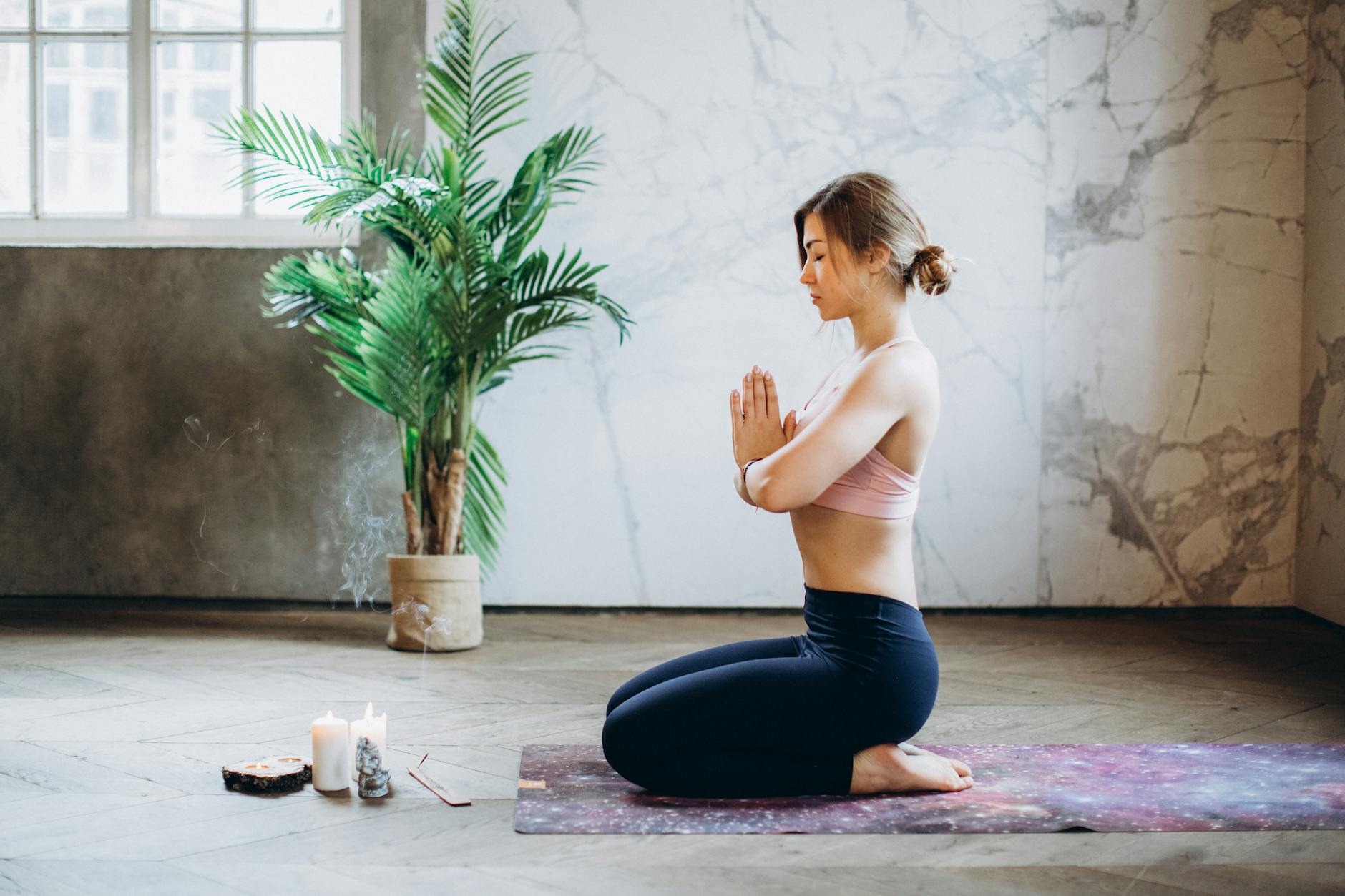
Breath is a tool we often overlook amidst the hustle, yet it holds the potential to transform our mental state. By practicing intentional breathing exercises, we engage directly with our nervous system, fostering a state of calm that can significantly impact our day-to-day life.
The One-Minute Reset
TEST REPLACEMENT - breathing exercise
A Practical and Accessible Tool
The topic of A Practical and Accessible Tool is central to understanding this subject. Key considerations include how it relates to the broader theme of the article. Practical applications and real-world examples illustrate its importance. This contributes to a comprehensive view of the matter at hand.
Mindful Thinking: Cognitive Relaxation Uncovered
Understanding how we can actively engage our mind to soothe stress can revolutionize our mental wellness. This involves enhancing awareness and creating space between stimulus and reaction, leading to profound emotional stability.
What It Means to Be Mindful
Mindfulness involves paying deliberate attention to the present moment without judgment. This practice creates space between stressors and your reaction, reducing impulsive responses. Over time, mindfulness strengthens the prefrontal cortex and weakens the amygdala's stress reactivity.
How Mindfulness Reshapes Your Response to Stress
Mindfulness involves paying deliberate attention to the present moment without judgment. This practice creates space between stressors and your reaction, reducing impulsive responses. Over time, mindfulness strengthens the prefrontal cortex and weakens the amygdala's stress reactivity.
Lifestyle Makeover: Creating a Stress-Free Environment
Revamping our daily environment and routines can significantly influence our emotional and mental state. By making informed choices, we can foster a space conducive to relaxation and resilience.
The Power of Rest and Recharge
Adequate rest and recovery are essential for managing stress and maintaining emotional balance. Sleep, relaxation, and downtime allow the nervous system to reset and repair. Prioritizing rest prevents burnout and supports sustained performance in demanding environments.
Movement as Medicine
Physical movement releases endorphins and reduces cortisol, making it a powerful stress reliever. Even moderate activity like walking or stretching can shift your mental state within minutes. Regular exercise builds resilience and improves both physical and emotional well-being.
Mastering the Clock: Techniques for Time Balance
Recognizing time as a valuable resource that impacts our mental health is crucial. By managing it wisely, we can reduce stress and build a harmonious life.
The Power of Setting Clear Boundaries
Setting clear boundaries protects your time and energy from excessive demands. Communicate your limits assertively and consistently to reduce overcommitment and resentment. Boundaries create space for rest, relationships, and activities that replenish you.
Budgeting Your Energy, Not Just Your Time
The topic of Budgeting Your Energy, Not Just Your Time is central to understanding this subject. Key considerations include how it relates to the broader theme of the article. Practical applications and real-world examples illustrate its importance. This contributes to a comprehensive view of the matter at hand.
Harmonizing Your Inner World: A Guide to Emotional Regulation for Stress Relief
Managing emotions is a skill that combines neurobiology with conscious practice, essential for reducing stress and enhancing life satisfaction.
Your Brain's Internal Orchestra
The topic of Your Brain's Internal Orchestra is central to understanding this subject. Key considerations include how it relates to the broader theme of the article. Practical applications and real-world examples illustrate its importance. This contributes to a comprehensive view of the matter at hand.
Why We Need Both Sunshine and Rain
The topic of Why We Need Both Sunshine and Rain is central to understanding this subject. Key considerations include how it relates to the broader theme of the article. Practical applications and real-world examples illustrate its importance. This contributes to a comprehensive view of the matter at hand.
The Roots of Our Emotional Habits
A brief breathing exercise can activate the parasympathetic nervous system. Inhale for four counts, hold for four, exhale for six. This pattern slows heart rate and reduces cortisol. Even one minute can shift stress response.
Creating Supportive Environments at Work and Home
Our surroundings play a pivotal role in stress management. Intentional design of our physical spaces at work and home can support well-being, reducing stress and fostering a peaceful mindset.
Creating Supportive Workspaces
The topic of Creating Supportive Workspaces is central to understanding this subject. Key considerations include how it relates to the broader theme of the article. Practical applications and real-world examples illustrate its importance. This contributes to a comprehensive view of the matter at hand.
A Sanctuary at Home
The topic of A Sanctuary at Home is central to understanding this subject. Key considerations include how it relates to the broader theme of the article. Practical applications and real-world examples illustrate its importance. This contributes to a comprehensive view of the matter at hand.
Q&A
Breathing Control and how can it help with anxiety relief—a closer look.
Breathing Control involves consciously regulating your breathing patterns to reduce stress and anxiety. Techniques such as deep breathing, diaphragmatic breathing, and paced respiration can activate the parasympathetic nervous system, promoting relaxation and reducing the physiological symptoms of anxiety. Practicing these techniques regularly can help individuals manage anxiety more effectively by lowering heart rate and calming the mind.
How does Cognitive Relaxation contribute to emotional regulation?
Cognitive Relaxation involves techniques that focus on calming the mind through mental exercises and mindfulness practices. By engaging in activities such as guided imagery, meditation, and progressive muscle relaxation, individuals can gain better control over their thoughts and emotions. This practice aids emotional regulation by helping individuals recognize and manage negative emotional responses, leading to a more balanced emotional state.
a Lifestyle Reset,—definition and significance.
A Lifestyle Reset refers to making deliberate changes in one's daily routines and habits to promote a healthier, more balanced life. This often includes reassessing priorities, setting boundaries, and incorporating activities that align with personal values and goals. A Lifestyle Reset matters for maintaining time balance as it helps individuals allocate time more effectively to various life domains, reducing stress and enhancing overall well-being.
How can practicing Time Balance aid in anxiety relief?
Practicing Time Balance involves managing one's schedule to ensure a harmonious distribution of time among work, leisure, and personal care. By prioritizing tasks, setting realistic goals, and avoiding overcommitment, individuals can reduce the pressure and stress that contribute to anxiety. Time Balance allows for adequate rest and relaxation, which are essential for maintaining mental health and preventing anxiety from becoming overwhelming.
In what ways can Emotional Regulation be practiced to support a healthy lifestyle?
Emotional Regulation can be practiced through strategies such as mindfulness, journaling, and engaging in physical activities. By becoming more aware of emotional triggers and learning to respond rather than react, individuals can maintain a healthier emotional state. This practice supports a healthy lifestyle by fostering resilience, improving relationships, and enhancing overall life satisfaction.