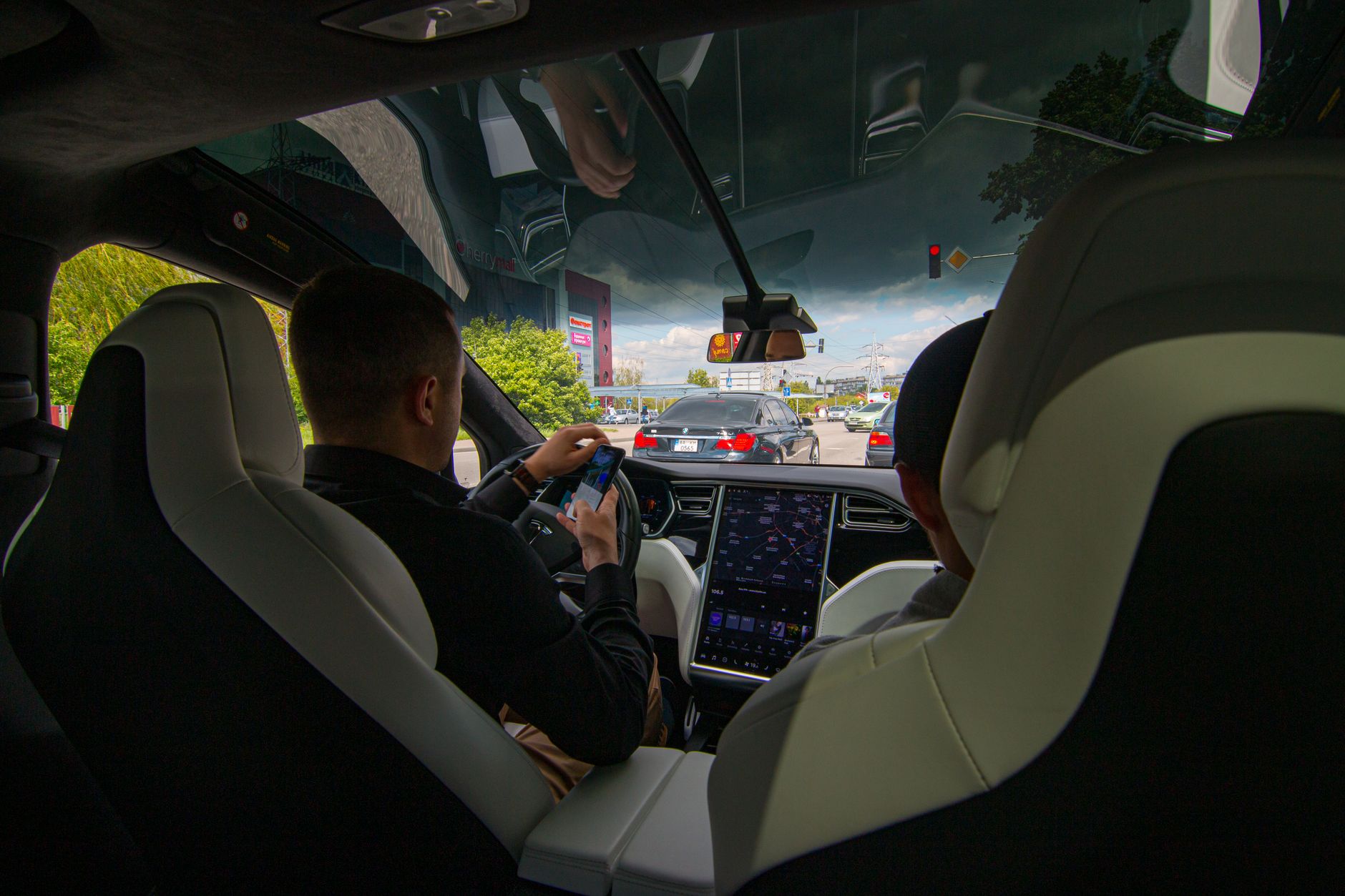
Robotics Revolution: From Precision Engineering Autonomous Navigation
As technology evolves, the integration of advanced machinery in diversified industries is changing how mechanical dexterity and intelligent systems redefine productivity. Advances in engineering enable these developments to bring significant changes across manufacturing, logistics, and beyond, enhancing operational efficiency and precision.

Unlocking Robot Precision: The Heartbeat of Modern Automation
The New Foundation for Foundational Industries
A New Era of Human-Machine Collaboration
Collaborative robots work alongside humans in shared spaces. Sensors and safety systems enable safe interaction. Applications range from manufacturing to healthcare. Cobots extend human capability rather than replacing workers.
Transforming Healthcare with Unprecedented Accuracy
Robotic surgery enables precision beyond human hand steadiness. Minimally invasive procedures reduce recovery time. Systems like da Vinci are used in many specialties. Training and adoption continue to expand.
Smart Actuators: The Unsung Heroes of Robotics Advancement
What Are Actuators, and Why Do They Matter?
Actuators convert electrical or pneumatic signals into motion. They drive robot joints, grippers, and limbs. Precision and reliability affect robot performance. Advances in actuators enable new robot capabilities.
The Leap to "Smart" Actuation
Emulating Nature: Dexterity and Adaptation
Soft robotics and compliant mechanisms mimic biological flexibility. Adaptive grippers handle varied objects without reprogramming. Nature-inspired design informs robot morphology. Dexterity and adaptation expand application domains.
Beyond Motors: The Rise of Smart Materials
Shape memory alloys and polymers enable novel actuation. Materials that respond to heat, light, or electricity create motion. Smart materials reduce mechanical complexity. Research continues to expand material options.
Beyond Sight: Machine Perception and Its Role in Innovation
Visual Intelligence: More Than Just a Camera
Computer vision enables robots to perceive and interpret scenes. Object recognition, tracking, and 3D sensing support manipulation. Deep learning has dramatically improved vision capabilities. Vision is a primary sensor for many autonomous systems.
The Unseen World of Touch and Tactile Sensing
Tactile sensors measure force, pressure, and texture. They enable robots to handle delicate or irregular objects. Touch complements vision for manipulation tasks. Tactile sensing is advancing rapidly with new sensor technologies.
Listening In: The Power of Auditory Perception
Microphones and audio processing enable robots to hear. Speech recognition supports human-robot interaction. Sound can indicate machine state or environmental events. Auditory perception complements other sensing modalities.
The Symphony of Senses: Multi-Modal Integration
Navigating the World: The Challenge of Autonomy
From Guided Paths to Independent Exploration
Autonomous navigation allows robots to move without predefined paths. SLAM and path planning enable exploration of unknown environments. Applications include delivery, inspection, and exploration. Safety and reliability remain priorities.
Making Sense of Chaos: Navigating Human-Centric Environments
Human environments are unstructured and dynamic. Robots must handle clutter, obstacles, and people. Robust perception and planning adapt to changing conditions. Human-centric design considers safety and usability.
Language as a Guide: Following Complex Instructions
Natural language enables humans to instruct robots without programming. Large language models can parse and execute tasks. Multimodal understanding combines language with vision and action. Language interfaces expand robot accessibility.
The Future of Collaboration: Human-Robot Synergy
A New Era of Collaboration in Key Sectors
Collaborative robots work alongside humans in shared spaces. Sensors and safety systems enable safe interaction. Applications range from manufacturing to healthcare. Cobots extend human capability rather than replacing workers.
Accelerating Discovery and Innovation
Robotics continues to advance through improvements in sensing, actuation, and AI. Applications span manufacturing, logistics, healthcare, and service industries. Interdisciplinary collaboration drives innovation and addresses real-world challenges.
The Human Element: Building Trust and Usability
Laying the Groundwork for a Collaborative Future
Global Partnerships in Shaping Tomorrow's Robotics
Q&A
the role of industrial automation in modern manufacturing—a closer look.
Industrial automation plays a crucial role in modern manufacturing by streamlining operations, increasing productivity, and reducing human error. It involves using control systems such as computers or robots to manage different processes and machinery, which leads to more efficient production lines and improved product quality.
How does autonomous navigation contribute to robotic systems?
Autonomous navigation allows robotic systems to move and perform tasks without human intervention by using sensors, cameras, and algorithms to understand their environment. This technology is vital for applications like autonomous vehicles, drones, and robots in logistics, enabling them to navigate complex environments safely and efficiently.
What are the benefits of human-robot collaboration in the workplace?
Human-robot collaboration enhances workplace productivity by combining human creativity and problem-solving skills with the precision and endurance of robots. This collaboration can lead to safer work environments, as robots can handle dangerous tasks, and it allows for more flexible production processes that can be quickly adapted to changes in demand.
Why is precision engineering important in the development of actuator technology?
Precision engineering is essential in actuator technology as it ensures that actuators operate with high accuracy and reliability. Actuators are critical components that convert energy into motion, and their precision directly affects the performance and efficiency of mechanical systems in various industries, including robotics, aerospace, and automotive.
How does machine perception enhance the capabilities of robots?
Machine perception enables robots to interpret and understand their surroundings through the use of sensors and artificial intelligence. This capability allows robots to perform complex tasks such as identifying objects, recognizing patterns, and making decisions based on real-time data, significantly expanding their application in fields like healthcare, manufacturing, and service industries.