Ancient Cheese DNA Sheds Light on 3,600-Year-Old Culinary Practices
In a remarkable discovery, scientists have sequenced DNA from 3,600-year-old cheese found with mummified remains in northwest China. These ancient desert dwellers, buried in the Taklamakan Desert, were interred with cheese placed around their heads and necks, possibly as provisions for the afterlife. This groundbreaking analysis has provided unprecedented insights into the cheese-making practices of the Xiaohe people and has opened new avenues in the study of ancient DNA.
The Xiaohe Cheese and Ancient Dairy Practices
Unearthing the Past: The Discovery of Ancient Cheese
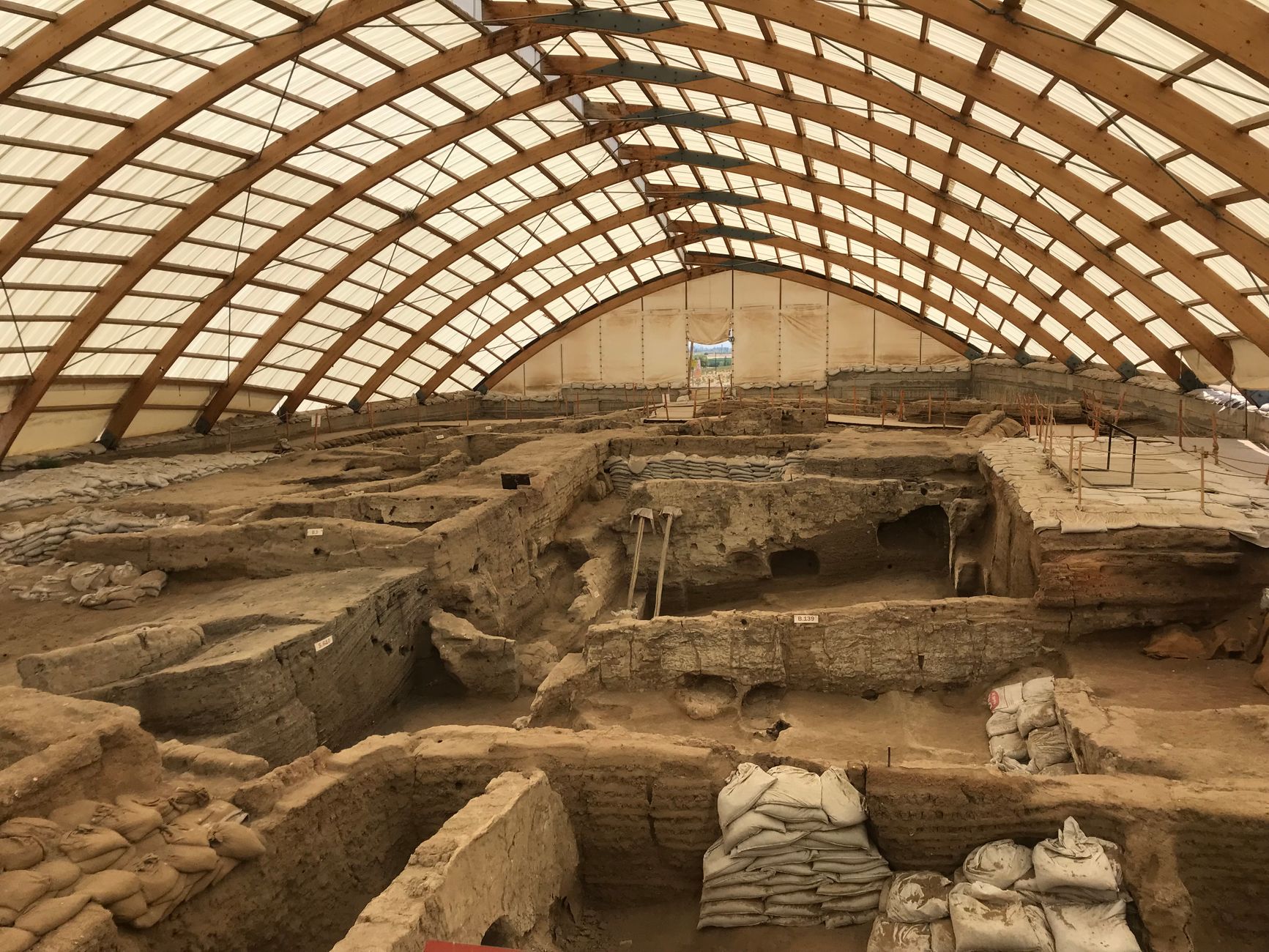
The cheese was found at the Xiaohe cemetery in the Taklamakan Desert, Xinjiang, China. The site dates to roughly 3600 years ago and is associated with the Xiaohe culture. Mummified individuals were buried with lumps of cheese placed around their heads and necks, likely as provisions for the afterlife. The arid, salty conditions of the desert preserved both the bodies and the dairy products. Scientists extracted enough DNA from the cheese to identify the fermentation process.
Making of Ancient Kefir Cheese
DNA analysis showed that the cheese was made using a kefir-based method. Kefir relies on a symbiotic culture of bacteria and yeasts to ferment milk. The Xiaohe cheese did not use rennet, the enzyme typically used to coagulate milk in hard cheeses. Instead, it used a combination of Lactobacillus kefiranofaciens and other kefir microbes. This method produces a soft, spreadable cheese and would have been well-suited to a nomadic or semi-nomadic lifestyle.
Cultural Significance and Technological Adoption
The Xiaohe people were among the earliest in the region to practice dairy fermentation. Cheese-making allowed them to preserve milk in a form that could be stored and transported. The presence of cheese in burials suggests it held ritual or symbolic value. The technology may have spread along trade routes linking the Tarim Basin to Central Asia and beyond.
Evolution of Probiotic Bacteria
The ancient kefir bacteria are closely related to strains still used today. This suggests that kefir fermentation has been remarkably stable over millennia. Studying the ancient DNA can help trace the domestication and spread of dairy cultures. It also provides a baseline for understanding how fermentation microbes have evolved in different environments.
Implications for Modern Science
The Xiaohe cheese is the oldest known direct evidence of kefir-based cheese-making. It pushes back the documented history of this technology by more than a thousand years. The find demonstrates that ancient DNA from food residues can reveal detailed information about past culinary practices. Similar methods could be applied to other archaeological food remains.
Expanding Our Understanding
The discovery adds to a growing picture of early dairy use in Asia. Other sites in Mongolia and China have yielded evidence of milk consumption. The Xiaohe cheese shows that fermentation was part of this tradition. Future work may uncover more about the origins of kefir and its role in ancient diets.
Q&A
Where was the 3,600-year-old cheese found?
It was discovered at the Xiaohe cemetery in the Taklamakan Desert, Xinjiang, China. The cheese was placed around the heads and necks of mummified individuals, likely as burial offerings. The dry desert conditions preserved it.
How was the ancient cheese made?
DNA analysis showed it was made using a kefir-based fermentation process, not rennet. Bacteria such as Lactobacillus kefiranofaciens and yeast fermented the milk. This method produces a soft cheese and is one of the oldest known cheese-making techniques.