Revitalized Steps: Integrating Neuromuscular Recovery Gait Correction
Walking is something many of us do without a second thought. It's a rhythmic, seemingly simple action that carries us through our day. But beneath the surface, every step is a complex dance of muscles, nerves, and joints working in perfect harmony. When this harmony is disrupted by injury, illness, or the natural process of aging, regaining confident, pain-free movement becomes a priority. The journey back to fluid motion often involves retraining the body and brain to work together again, a process that focuses on correcting our gait—the unique way we walk. This path to recovery is about more than just moving; it's about rediscovering balance, strength, and freedom in every step.
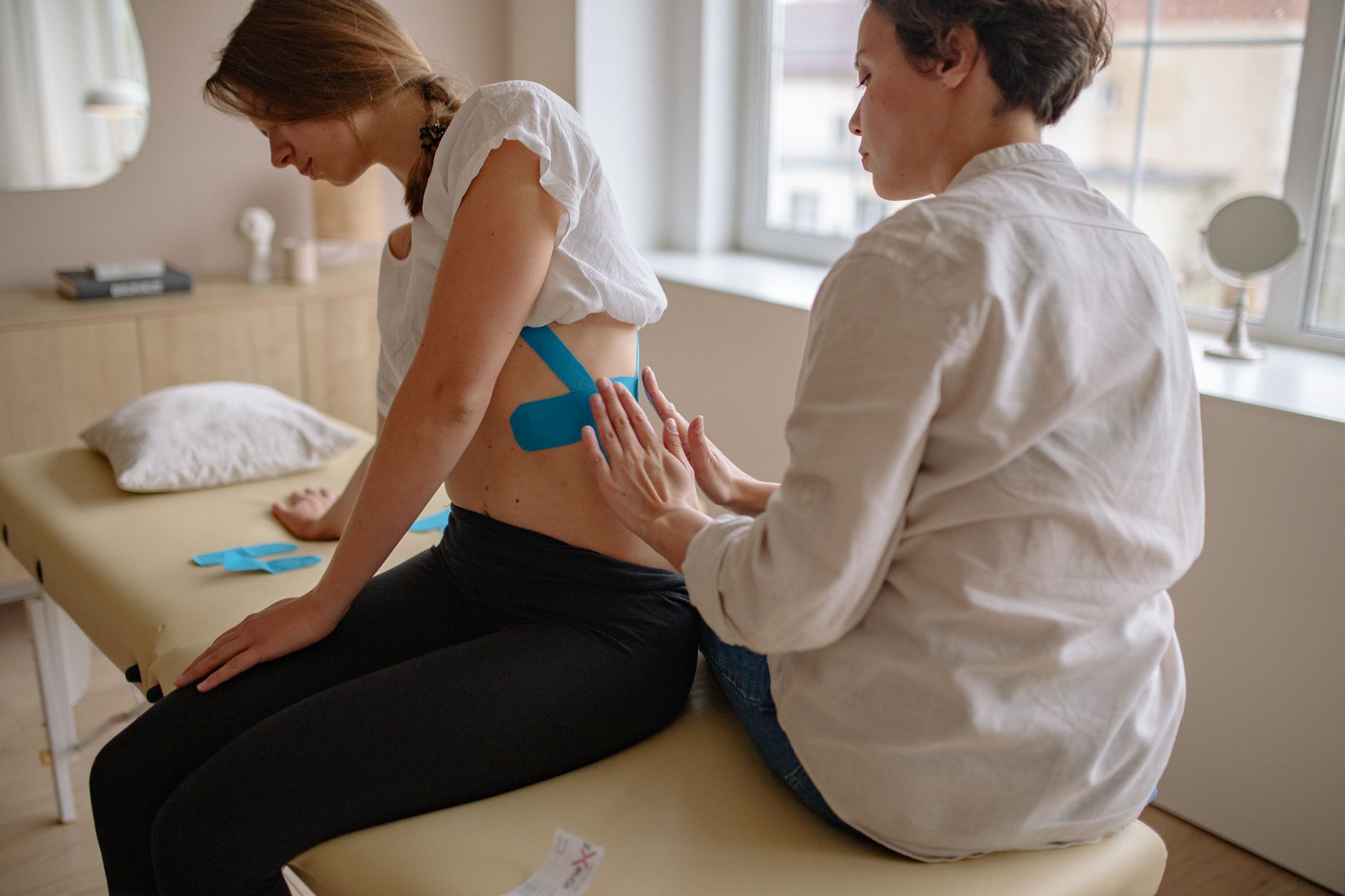
Synchronizing Strength and Coordination: The Journey of Gait Correction
Correcting our gait is a journey that goes beyond simply strengthening weak muscles. It's about re-establishing the crucial link between our physical strength and the coordination that guides our movements. True recovery lies in teaching the body to move efficiently and safely, reducing stress on vulnerable joints and rebuilding a natural walking pattern. This process involves a comprehensive that considers everything from how our feet touch the ground to the complex signals that travel between our brain and limbs. By focusing on this synergy, rehabilitation can unlock profound improvements in mobility and overall quality of life.
The Foundation: Understanding and Modifying Movement
This detailed analysis allows for the development of personalized strategies. The goal is to guide the body toward a more balanced and efficient alignment. By making targeted adjustments, it's possible to reduce strain, alleviate discomfort, and prevent further joint damage. It's a process of relearning how to move, consciously refining each step to build a stronger, more resilient foundation for walking.
At the heart of gait correction is a deep understanding of body mechanics. For individuals experiencing joint discomfort, such as in the knee, even subtle changes in how they walk can make a significant difference. Modern rehabilitation techniques often begin by carefully analyzing a person's unique walking pattern to identify sources of stress. For instance, modifying foot placement, like adopting a slight "toe-out" posture, can help redistribute pressure away from sensitive areas within the knee joint.
Innovative Tools and Creative Therapies
The path to a better gait is supported by a growing range of tools and therapeutic approaches. Advanced walking aids equipped with sensors can provide real-time feedback, helping individuals become more aware of their posture and foot placement as they move. These devices are designed to be lightweight and ergonomic, offering support without hindering natural motion. They act as a guide, encouraging the body to adopt and maintain healthier movement patterns during daily activities.
Beyond technology, creative methods are proving to be remarkably effective. Some rehabilitation programs incorporate activities inspired by theater, where participants practice adapting their walk to fit different scenarios. This approach transforms gait practice from a repetitive exercise into an engaging and dynamic activity. It challenges the body and mind to work together, improving coordination, balance, and the ability to move with greater confidence and adaptability in unpredictable, real-world environments.
The Deeper Connections: Biology of Recovery
Recovery involves cellular repair and adaptation after stress. Sleep, nutrition, and rest support the process. Overtraining can impede recovery and increase injury risk. Understanding biology informs training and rehabilitation.
Bridging Pain and Function: How Therapy Transforms Discomfort
Pain is more than just a physical sensation; it's a powerful signal that fundamentally changes how we move. To protect a sore area, our bodies instinctively develop compensatory strategies—limping to offload a sore knee or hiking a shoulder to avoid a painful reach. While helpful in the short term, these patterns can become ingrained habits that lead to new problems. The core goal of effective therapy is to break this cycle. It's a two-pronged approach: first, manage the discomfort to create a window of opportunity for movement, and second, use that window to restore healthy function.
The Foundation: Strengthening and Mobilizing Joints
A Modern Approach: Building Strength Without the Strain
Progressive loading builds strength while managing injury risk. Technique and form reduce strain on joints and tissues. Gradual progression allows adaptation without overload. Recovery periods support adaptation between sessions.
Pathways to Recovery: Balancing Joint Mobility and Functional Strength
Once acute pain is under control and a foundational level of strength has been established, the focus of recovery shifts toward a more ambitious goal: preparing the body for the dynamic demands of real life. This next phase is about integrating two critical components: joint mobility and functional strength. Mobility is not just about flexibility; it's about having active control over a joint's entire range of motion. Functional strength is the ability to use that mobility to perform everyday tasks—like lifting a heavy box, reaching for something on a high shelf, or playing with your kids—safely and efficiently. True recovery is achieved when these two elements work in harmony, creating a body that is not just pain-free but also resilient and capable.
Beyond Isolation: The Importance of Compound Movements
Compound movements involve multiple joints and muscle groups. They transfer better to real-world activities than isolation exercises. Squats, deadlifts, and rows are examples. Efficiency and functional benefit make them valuable.
Reclaiming Your Range: The Active Approach to Mobility
Active mobility involves movement through full ranges of motion. Flexibility and strength work together for functional capacity. Stretching and mobility drills support movement quality. Consistency over time yields gradual improvement.
Revitalized Steps: Integrating Neuromuscular Recovery and Gait Correction
The final and perhaps most sophisticated phase of recovery moves beyond the muscles and joints to focus on the master controller of all movement: the nervous system. An injury doesn't just damage tissue; it disrupts the intricate communication pathways between the brain and the body. The brain's internal "map" of the body can become fuzzy, and the automatic, subconscious control we rely on for smooth, coordinated movement can be compromised. This is where neuromuscular re-education comes in. It is the process of retraining this brain-body connection to restore balance, coordination, and proprioception—the body's sense of its own position in space. This high-level retraining is what solidifies recovery, turning conscious effort back into effortless, automatic movement.
Retraining the Brain: The Essence of Neuromuscular Re-education
Retraining the immune system is a goal in autoimmune research. Tolerance-inducing therapies are under study. Results vary by condition and patient.
Walking Tall: The Science of Gait Analysis and Correction
Gait analysis assesses walking patterns for abnormalities. Biomechanical assessment can identify compensations and imbalances. Treatment may include exercise, orthotics, or therapy. Correcting gait can reduce pain and improve function.
Incorporating Innovative Therapies: Engaging the Mind and Body
Incorporating innovative therapies into neuromuscular recovery enhances the rehabilitation process by engaging both the mind and body. This dual approach transforms traditional physical therapy into a dynamic experience that accelerates recovery, making it more effective and fulfilling.
Interactive technologies, such as virtual reality platforms and motion-sensing devices, bring a fresh perspective to rehabilitation. These systems provide real-time feedback, encouraging patients to adjust their movements instantly, fostering better control and coordination. For instance, using a virtual reality setup, a user can visualize their movement patterns and receive immediate adjustments, making the learning process interactive and enjoyable.
Creative physical activities like dance and tai chi integrate fluid motion with mindfulness, improving both physical and mental health. These disciplines enhance body awareness, balance, and coordination. As patients move rhythmically, they synchronize their neural pathways, reinforcing proper movement patterns in a relaxed and enjoyable atmosphere.
Q&A
Motor Relearning—what it is and how it works.
Motor Relearning involves retraining the brain and muscles to perform movements that may have been lost due to injury or neurological conditions. This process matters for rehabilitation as it helps patients regain control over their movements, improves coordination, and facilitates the recovery of motor skills essential for daily activities.
How can Joint Mobility exercises aid in pain reduction?
Joint Mobility exercises help maintain and improve the range of motion in the joints, which can significantly reduce stiffness and discomfort. By keeping the joints flexible, these exercises also alleviate pressure on surrounding tissues, thereby reducing pain and preventing further injury.
What techniques are used in Gait Correction and why is it important?
Gait Correction involves techniques such as balance training, strengthening exercises, and sometimes the use of orthotic devices. Correcting gait is important because it enhances movement efficiency, reduces the risk of falls, and minimizes strain on other parts of the body, which can prevent long-term musculoskeletal issues.
How does Functional Strength training differ from traditional strength training?
Functional Strength training focuses on exercises that mimic everyday activities and improve the strength needed for daily tasks. Unlike traditional strength training, which often isolates specific muscles, functional training works on multiple muscle groups simultaneously, enhancing overall stability, coordination, and endurance.
What role does Neuromuscular Recovery play in the rehabilitation process?
Neuromuscular Recovery is important in rehabilitation as it involves re-establishing the communication pathways between the nervous system and muscles. This recovery helps in restoring muscle function, improving movement patterns, and reducing compensatory behaviors that might lead to additional injuries. It supports achieving a full and effective recovery post-injury.