New Self-Swab HPV Test: An Alternative to Pap Smears
A revolutionary option for cervical cancer screening offers patients a less invasive alternative to conventional tests. The new "self-collection tests" for HPV, a viral infection that can lead to cervical cancer, are set to arrive in doctor's offices across the nation this month. This method doesn't require the use of a speculum, making the process more comfortable for many patients.

A revolutionary option for cervical cancer screening offers patients a less invasive alternative to conventional tests. The new "self-collection tests" for HPV, a viral infection that can lead to cervical cancer, are set to arrive in doctor's offices across the nation this month. This method doesn't require the use of a speculum, making the process more comfortable for many patients.
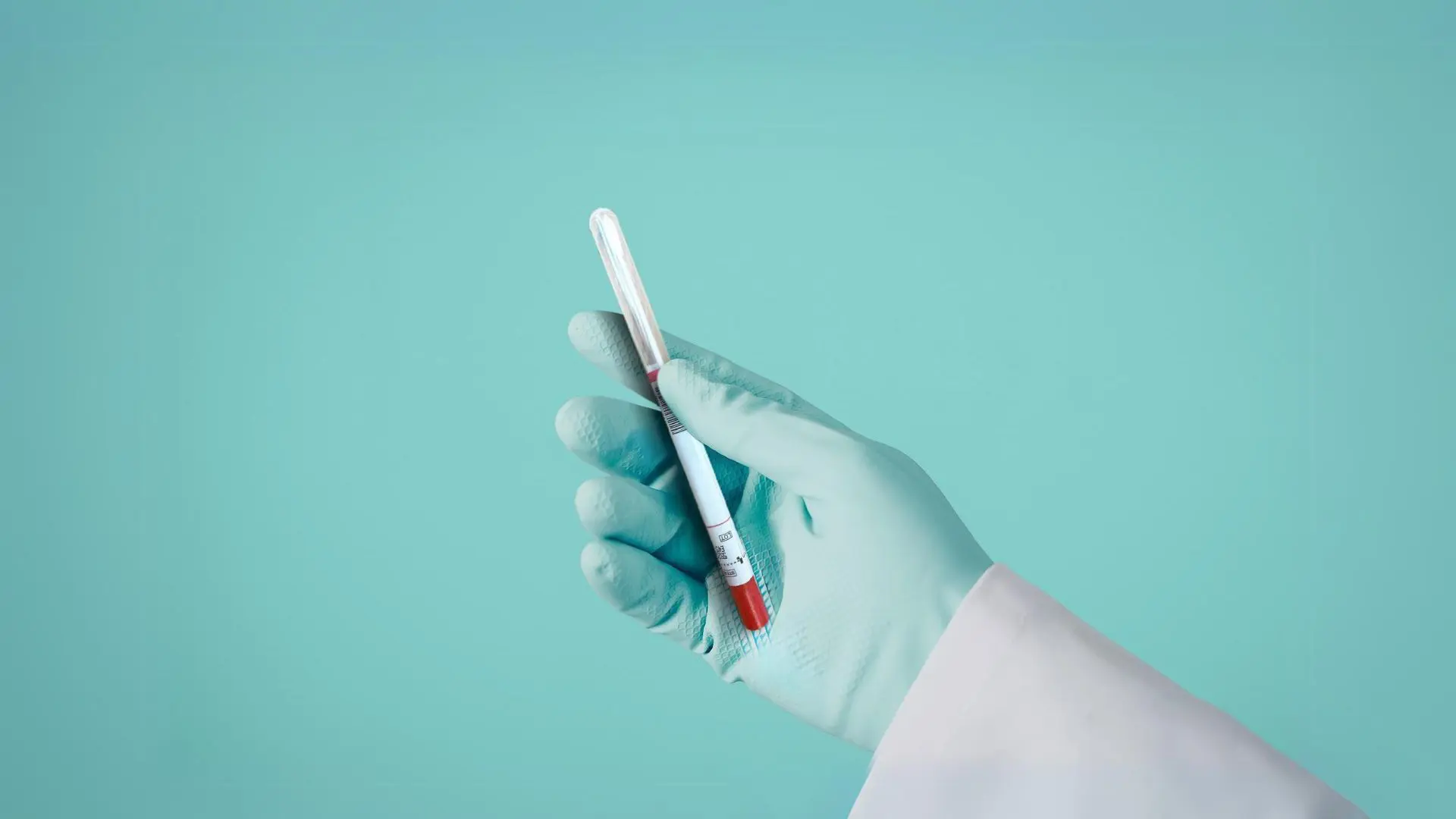
Introducing the Self-Collection Test
Self-collection HPV tests allow users to collect their own sample at home or in a clinic. The sample is then sent to a lab for analysis. This approach can increase screening access for those who avoid traditional exams. FDA-approved options are available in some regions.
Understanding HPV and Its Link to Cervical Cancer
Cancer vaccines train the immune system to target tumor cells. Some are tailored to individual patients. Research in this area has expanded in recent years.
What Do Cervical Cancer Screening Tests Look For?
Cancer vaccines train the immune system to target tumor cells. Some are tailored to individual patients. Research in this area has expanded in recent years.
How Do the New Self-Collection Tests Work?
Self-collection HPV tests allow users to collect their own sample at home or in a clinic. The sample is then sent to a lab for analysis. This approach can increase screening access for those who avoid traditional exams. FDA-approved options are available in some regions.
Advantages of Self-Collection Compared to Pap Smears
Self-collection can reduce barriers related to discomfort or privacy concerns. It may reach populations with limited access to healthcare. Some studies show comparable accuracy to clinician-collected samples. Convenience may improve screening uptake.
Are There Any Downsides to Self-Collection Tests?
Self-collection HPV tests allow users to collect their own sample at home or in a clinic. The sample is then sent to a lab for analysis. This approach can increase screening access for those who avoid traditional exams. FDA-approved options are available in some regions.
Who Should Be Screened for Cervical Cancer and How Often?
Cancer vaccines train the immune system to target tumor cells. Some are tailored to individual patients. Research in this area has expanded in recent years.