Navigating the New Digital Landscape with Augmented Reality
In an age where the digital seamlessly merges with reality, technologies that enhance our perception are reshaping interactions and experiences. At the forefront, innovations redefine how we see and engage with our environment, offering transformative possibilities across industries and everyday life.
Enhancing the Retail Experience
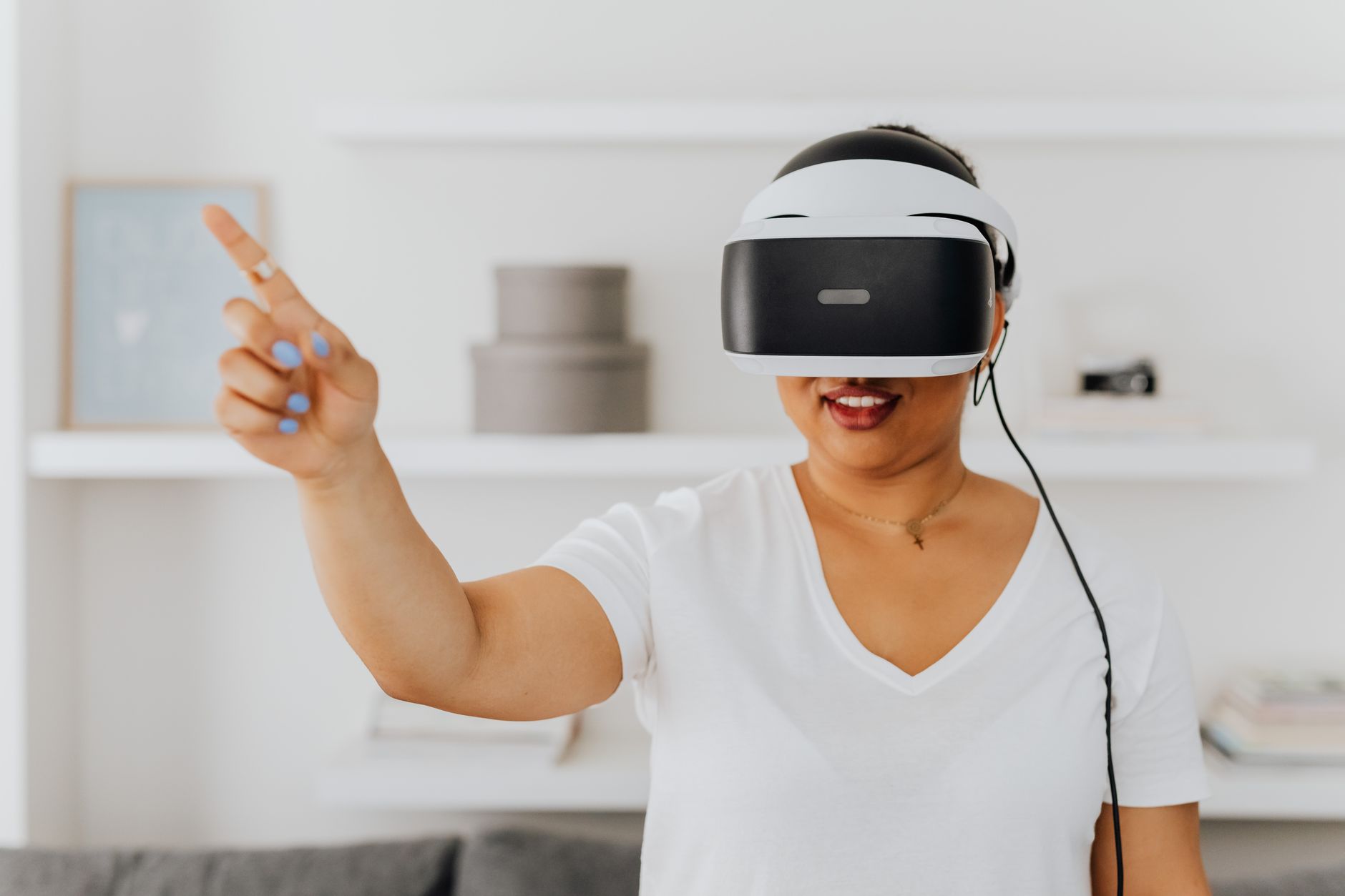
Augmented reality (AR) is transforming the way we interact with products, making shopping more immersive and personalized. This technology is breaking down the barriers between in-store and online experiences, offering consumers a dynamic way to engage with brands and products.
Redefining Customer Engagement
Merging Online and Offline Shopping
Revolutionizing Navigation and Spatial Awareness
AR is not just about visual enhancements; it is about navigating and interacting with our environments in a more informed and intuitive manner. This is particularly true in the realm of spatial computing, where AR enhances our ability to understand and engage with physical spaces.
A New Approach to Navigation
Enhancing Professional and Everyday Settings
Transforming Training and Education through Interactive Manuals
One of the most practical advancements brought by AR is the development of interactive manuals that revolutionize how we learn and apply skills. Unlike traditional manuals, AR offers visual, hands-on interactions that significantly enhance comprehension and execution.
Visualizing Complex Processes
Improving Education and Skill Development
Bridging Worlds: The Interplay of Reality and Digital Information
As AR continues to evolve, its role in blending digital elements with physical environments presents new frontiers for innovation across various industries. The potential for augmented reality is vast, offering new paradigms for how we interact with the world.
Emerging Applications and Trends
The Future Landscape of Augmented Interaction
Q&A
What are digital overlays, and how do they enhance mobile AR applications? Digital overlays refer to the virtual elements superimposed onto the real world through a mobile device's camera. They enhance mobile AR applications by providing users with additional information and interactive elements that blend seamlessly with their physical environment, improving user engagement and experience.
How is spatial computing utilized in interactive manuals? Spatial computing in interactive manuals allows users to receive step-by-step instructions overlaid on real-world objects. This can enhance understanding and efficiency by providing precise, context-aware guidance for complex tasks, such as assembling machinery or repairing devices.
In what ways can retail experiences be improved through mobile AR applications? Retail experiences can be significantly enhanced by using mobile AR applications to offer virtual try-ons, personalized recommendations, and immersive product demonstrations. This technology enables customers to visualize how products will fit or look in their own space, leading to more informed purchasing decisions.
How do navigation aids benefit from spatial computing technologies? Navigation aids leveraging spatial computing can provide real-time, accurate guidance by integrating digital maps and directions with the physical environment. This enhances user experience by offering intuitive and context-aware navigation, whether indoors or outdoors, reducing the likelihood of getting lost.
What role do digital overlays play in enhancing retail experiences? Digital overlays in retail experiences provide customers with interactive content, such as price comparisons, product information, and promotional offers directly on their mobile devices. This enhances the shopping experience by making it more engaging and informative, helping customers make better purchase decisions.