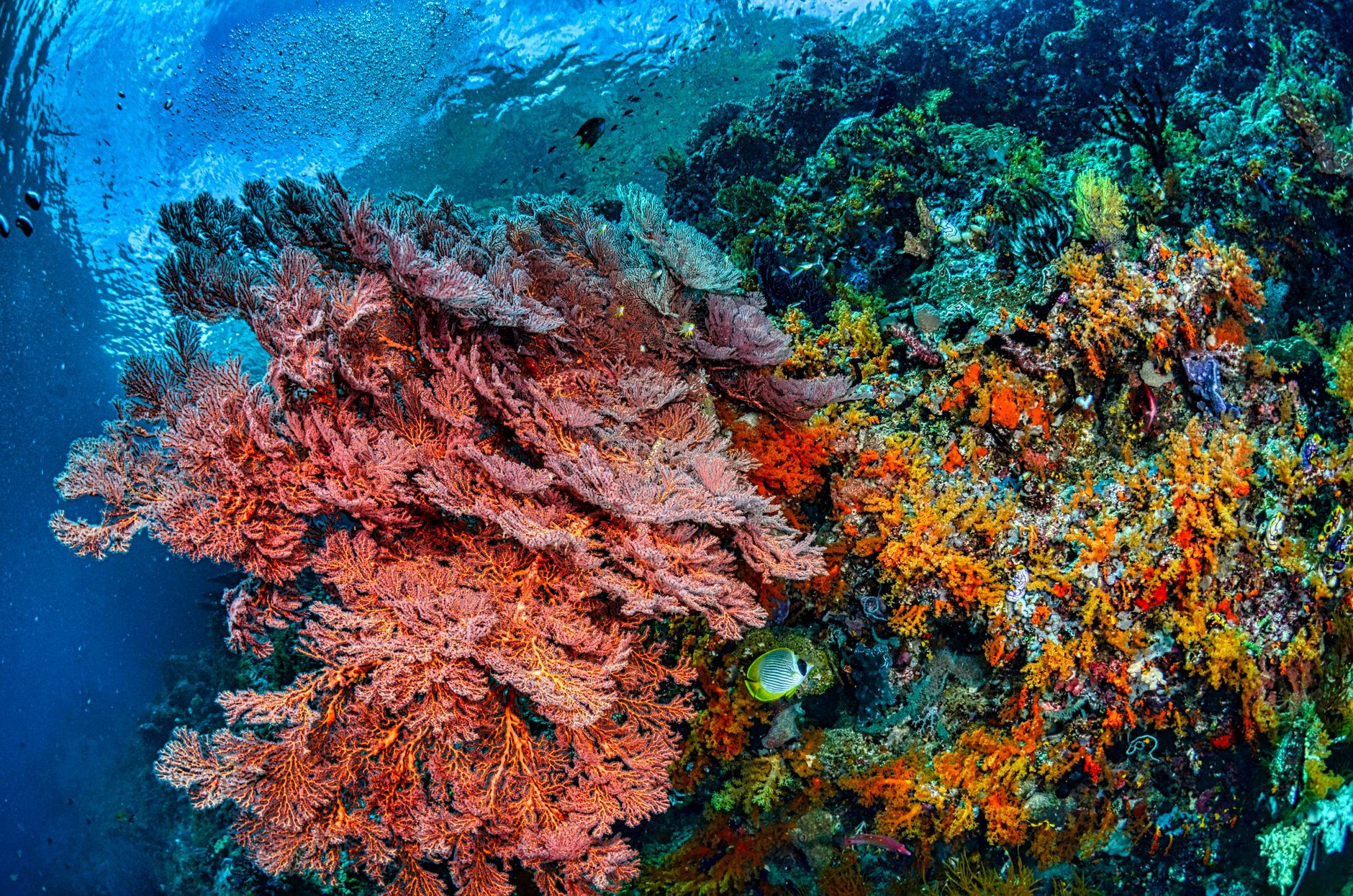
Navigating Ocean Depths: Where Marine Geology Meets Sustainable Design
Beneath the surface of our planet's vast waters lies a dynamic world influencing Earth's climate and ecosystems. The interplay between diverse underwater landscapes and ever-shifting environmental factors shapes this largely uncharted realm, offering insights crucial for envisioning a more harmonious future with our planet's watery depths.

Currents Unchained: How Ocean Flows Shape Our World
Ocean flows are essential components of our planet's climate system, functioning much like a circulatory system that distributes heat and sustains marine life. These currents are affected by numerous factors, including wind, temperature differences, and salt levels, fundamentally shaping weather patterns and habitats across the globe. However, this delicate system is undergoing significant changes due to rising global temperatures and shifts in natural processes, presenting challenges that require a deeper understanding of ocean dynamics.
The Planet's Circulatory System
Ocean currents distribute heat across the globe, influencing climate patterns. Thermohaline circulation drives deep water movement. The Gulf Stream warms northern Europe. Disruptions to circulation can alter weather and marine ecosystems.
Shifting Tides in a Warming World
Rising sea temperatures affect marine life distribution and migration. Melting ice contributes to sea level rise. Warmer waters hold less dissolved oxygen. These changes stress marine ecosystems and coastal communities.
The Ripple Effect on Weather
Ocean temperatures influence atmospheric pressure and storm formation. El Niño and La Niña events shift weather patterns globally. Warmer oceans can intensify hurricanes and typhoons. Coastal regions depend on predictable ocean-atmosphere interactions.
The Rising Heat: Marine Heatwaves and Their Consequences
Marine heatwaves represent one of the most damaging consequences of rising ocean temperatures, marked by periods where sea surface temperatures considerably exceed the historical norms. These episodes now occur with increasing regularity and severity, leading to ecological challenges that stretch from altering habitat suitability for species to impacting the very productivity of marine environments.
What is a Marine Heatwave?
Marine heatwaves are prolonged periods of unusually high sea temperatures. They can cause coral bleaching and fish die-offs. Frequency and intensity have increased with climate change. Monitoring and early warning systems help fisheries adapt.
An Unprecedented Surge
Recent marine heatwaves have broken records in duration and extent. The 2026-2026 event affected large areas of the Pacific. Such events stress ecosystems already facing other pressures. Recovery can take years or decades.
Life Under Pressure: The Coral Bleaching Crisis
Coral bleaching occurs when stressed corals expel symbiotic algae. Prolonged heat causes mass bleaching events. Bleached corals can recover if conditions improve quickly. Repeated bleaching leads to coral death and reef loss.
When the System Falters: Disruptions to Vital Ocean Processes
The robust systems powering ocean productivity and climate regulation are faltering under the pressure of changed circulation patterns. These failures disrupt ecosystems and have significant ramifications for global environmental stability and human livelihoods.
The Silent Shutdown of Upwelling
Upwelling brings nutrient-rich deep water to the surface. It supports productive fisheries and marine ecosystems. Warming can weaken or alter upwelling patterns. Changes affect food webs and fishing communities.
The Pacific's Rhythmic Pulse
El Niño and La Niña alternate in the Pacific every few years. They affect rainfall, temperature, and fisheries worldwide. Monitoring and forecasting help communities prepare. Climate change may alter their frequency and intensity.
Navigating Toward a Sustainable Future
Protecting the ocean's intrinsic systems means adapting human activities to respect and reinforce these natural processes. Acknowledging the changes reshaping our largest ecosystem is essential to developing solutions that sustain both marine environments and human communities.
Understanding the Ocean's Blueprint
Seafloor mapping reveals underwater topography and geology. Sonar and satellite data build comprehensive maps. These maps support navigation, fishing, and research. Understanding the seafloor aids climate and marine science.
Charting a Sustainable Course Forward
Sustainable fisheries management balances harvest with stock recovery. Marine protected areas conserve biodiversity. International cooperation addresses transboundary stocks. Climate adaptation requires updated science and policy.
Q&A
How do ocean currents influence the salinity levels in different parts of the ocean?
Ocean currents play a crucial role in redistributing salt and heat in the ocean, affecting salinity levels. Warm currents, such as the Gulf Stream, can increase salinity in certain areas by promoting evaporation. Conversely, cold currents may lower salinity by bringing in freshwater from melting polar ice or precipitation. These variations are essential for marine life and influence global climate patterns.
the relationship between ocean temperature and marine geology—a closer look.
Ocean temperature can significantly impact marine geology by affecting sediment transport and deposition. Warmer temperatures can enhance chemical weathering of rocks on the ocean floor, altering geological formations over time. Additionally, temperature variations can lead to changes in sea level, which in turn impact coastal geology and can trigger geological events like landslides or tsunamis.
How does underwater mapping contribute to sustainable architecture?
Underwater mapping is vital for sustainable architecture, particularly in coastal and marine environments. By providing detailed topographical data of the ocean floor, architects and engineers can design structures that minimize environmental impact and withstand natural forces. This information is crucial for constructing resilient buildings, offshore wind farms, and other infrastructure that harmonize with the marine ecosystem.
Why is polar ice significant for understanding global ocean currents?
Polar ice is a key factor in global ocean currents due to its influence on salinity and temperature. When polar ice melts, it releases freshwater into the ocean, which can disrupt the thermohaline circulation—a major component of global ocean currents. Understanding these processes helps scientists predict changes in climate and their impacts on weather patterns, sea levels, and ecosystems worldwide.
What advancements in technology are enhancing our understanding of ocean currents and their effects on climate?
Recent advancements in satellite technology, autonomous underwater vehicles (AUVs), and remote sensing have significantly improved our understanding of ocean currents. These technologies provide real-time data on ocean temperature, salinity, and current patterns, allowing scientists to model climate systems more accurately. This enhanced understanding aids in predicting climate change impacts and developing strategies for mitigation and adaptation.