Bridging Worlds: How Space Telescopes and Probes Unveil Cosmic Secrets
Humanity's quest to unravel the mysteries of the universe has reached unprecedented heights, setting sights on celestial neighbors and distant worlds alike. From ambitious feats that propel us beyond Earth's confines to advanced technologies deciphering cosmic mysteries, the future of venturing into the vast expanse holds boundless possibilities.
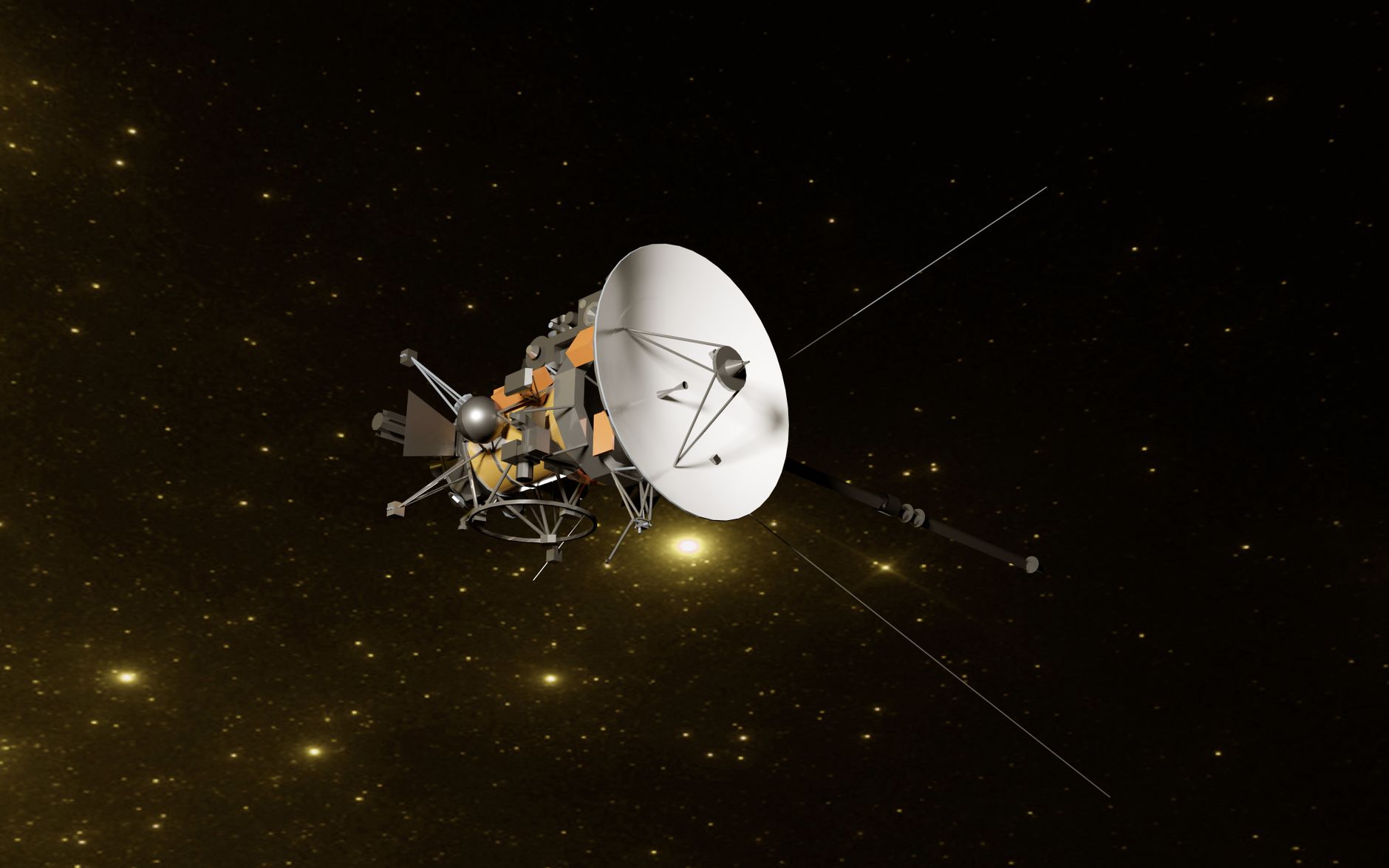
Unveiling the Cosmos: The Role of Space Telescopes
Space telescopes have revolutionized our understanding of the universe, overcoming the limits of Earth's atmosphere to provide a clear view of the cosmos. Through these technological marvels, we are probing deeper into space, uncovering mysteries that have intrigued humankind for millennia.
Peering into the Dawn of Time
Historical records and archaeological data inform interpretations. Dating techniques help establish timelines. Context from surrounding finds adds meaning. Documentation and monitoring support ongoing improvement.
Charting the Atmospheres of Other Worlds
Historical records and archaeological data inform interpretations. Dating techniques help establish timelines. Context from surrounding finds adds meaning. Documentation and monitoring support ongoing improvement.
The Hunt for the Universe's Invisible Matter
Research methods include observation, experimentation, and data analysis. Findings contribute to broader understanding of natural systems. Peer review validates results before publication. Documentation and monitoring support ongoing improvement.
A Watchful Eye on Our Cosmic Neighborhood
Research methods include observation, experimentation, and data analysis. Findings contribute to broader understanding of natural systems. Peer review validates results before publication. Documentation and monitoring support ongoing improvement.
Mars Missions: Humanity's Next Frontier
The allure of Mars, with its crimson landscapes and hints of past water, has long captivated explorers. What once seemed a distant dream is now becoming a practical reality, as we embark on missions that could fundamentally alter our understanding of the Red Planet and potentially forms the core for human presence there.
Decoding the Martian Atmosphere
Research methods include observation, experimentation, and data analysis. Findings contribute to broader understanding of natural systems. Peer review validates results before publication. Documentation and monitoring support ongoing improvement.
Developing Smarter Robotic Explorers
Historical records and archaeological data inform interpretations. Dating techniques help establish timelines. Context from surrounding finds adds meaning. Documentation and monitoring support ongoing improvement.
Charting the Course for Human Exploration
Historical records and archaeological data inform interpretations. Dating techniques help establish timelines. Context from surrounding finds adds meaning. Documentation and monitoring support ongoing improvement.
The Power of Open Knowledge
Historical records and archaeological data inform interpretations. Dating techniques help establish timelines. Context from surrounding finds adds meaning. Documentation and monitoring support ongoing improvement.
Building on the Moon: A New Era of Lunar Exploration
A renewed push to return to the Moon is spearheading a wave of exploration aimed at establishing a human presence beyond Earth. The goal is to create a sustainable foothold by leveraging a collaborative model involving both governmental and commercial entities.
Sustainable Lunar Ventures
The establishment of lunar bases is seen as essential for deep space exploration, providing a platform for ongoing scientific research and operational testing for future Mars missions. Continued development of robotic landers is complementing these efforts by collecting data vital for human habitation.
Current lunar missions aim to establish a permanent presence, not just transient exploration. The Artemis Program is a major initiative, with plans for crewed missions to the Moon, including landing astronauts near promising regions like the lunar south pole. This effort is underpinned by partnerships between space agencies and private companies, emphasizing reusable launch systems to reduce costs and increase mission frequency.
An Ecosystem of Innovation
Reusability and technology are central to the future of space travel. Current advancements are transforming spaceflight with innovations like rapid-launch capabilities and in-orbit refueling. Reusable rockets are significantly reducing costs, enabling more frequent and ambitious missions, while in-orbit refueling is poised to revolutionize deep-space travel by allowing spacecraft to embark on long voyages fully fueled.
These advancements are part of a broader ecosystem of space innovation, encompassing everything from telemedicine for astronaut health to robotic precursors setting the stage for human explorers. This wave of innovation is accelerating humanity's steps toward establishing a permanent presence beyond Earth, laying the groundwork for exploration far beyond the Moon.
Searching for New Earths: The Hunt for Exoplanets
The discovery of planets outside our solar system has opened a new frontier, challenging long-held beliefs about the uniqueness of Earth. Space telescopes support in identifying and characterizing these worlds, broadening our knowledge of potential life-sustaining environments across the galaxy.
The Cosmic Detectives and Their Methods
Historical records and archaeological data inform interpretations. Dating techniques help establish timelines. Context from surrounding finds adds meaning. Documentation and monitoring support ongoing improvement.
A Universe of Unexpected Worlds
Historical records and archaeological data inform interpretations. Dating techniques help establish timelines. Context from surrounding finds adds meaning. Documentation and monitoring support ongoing improvement.
From Detection to Characterization
Beyond detection, characterization of exoplanets through advanced spectroscopy is transforming our search for habitable worlds. By analyzing atmospheric compositions, scientists can identify environmental conditions favoring life. Discoveries of atmospheres with essential life components provide promising candidates warranting further investigation, driving the search for life beyond Earth.
In summary, advancements in space exploration technologies are closing the gap between dreams of cosmic discovery and practical realities. Space telescopes, probes, and missions to Mars and the Moon are paving the way for future exploration, while the search for exoplanets continues to reveal intriguing possibilities for life in the universe. Each development brings us closer to understanding our place in the cosmos and realizing the boundless potential of exploring the final frontier.
Q&A
What are space telescopes and how do they differ from ground-based telescopes?
Space telescopes are observatories located outside the Earth's atmosphere. Unlike ground-based telescopes, they are not affected by atmospheric distortions, allowing them to capture clearer and more detailed images of celestial bodies. This capability matters for observing distant stars and galaxies, and for making significant discoveries in astronomy, such as exoplanets.
What are the primary goals of Mars missions, and what technologies are being used?
Mars missions aim to explore the Martian surface, study its climate and geology, and search for signs of past or present life. Technologies used in these missions include advanced rovers equipped with scientific instruments, orbital spacecraft for mapping and communication, and innovative landing systems to safely deliver payloads to the Martian surface.
Why is a lunar base considered important for future space exploration?
Establishing a lunar base is considered a critical step for future space exploration because it serves as a testing ground for living and working on another celestial body. It also offers opportunities to develop technologies for sustainable off-Earth living, supports scientific research on lunar geology, and could potentially serve as a launch point for deeper space missions, such as those to Mars.
What advancements have been made in rocket technology to support space exploration?
Recent advancements in rocket technology include the development of reusable rockets, which significantly reduce the cost of launching payloads into space. Innovations such as more efficient propulsion systems, improved materials for lighter and stronger rockets, and advancements in autonomous flight control systems have also enhanced the capability and reliability of space missions.
How do space probes contribute to the discovery of exoplanets?
Space probes equipped with specialized instruments, such as spectrometers and photometers, support in the discovery of exoplanets. By observing the dimming of a star's light as a planet transits, or passes in front of it, probes can gather data that helps determine the planet's size, orbit, and atmospheric composition, leading to a better understanding of its potential habitability.