Ancient City Razed Romans Remained Abandoned Over 170 Years,
Archaeological excavations have unveiled that an ancient city, destroyed by the Romans over 2,000 years ago due to a rebellion, remained uninhabited for more than 170 years. This city, later repurposed into an ancient landfill, provides a stark example of Rome's punitive measures against insurrection.

Archaeological excavations have unveiled that an ancient city, destroyed by the Romans over 2,000 years ago due to a rebellion, remained uninhabited for more than 170 years. This city, later repurposed into an ancient landfill, provides a stark example of Rome's punitive measures against insurrection.
Historical Context and Destruction of Fregellae
Fregellae was a Latin colony that rebelled against Rome in 125 BCE after being denied full citizenship rights. The Roman Senate responded with force, sending the consul Lucius Opimius to destroy the city. The razing served as a warning to other Italian allies who sought greater political participation.
Archaeological Finds and Excavations
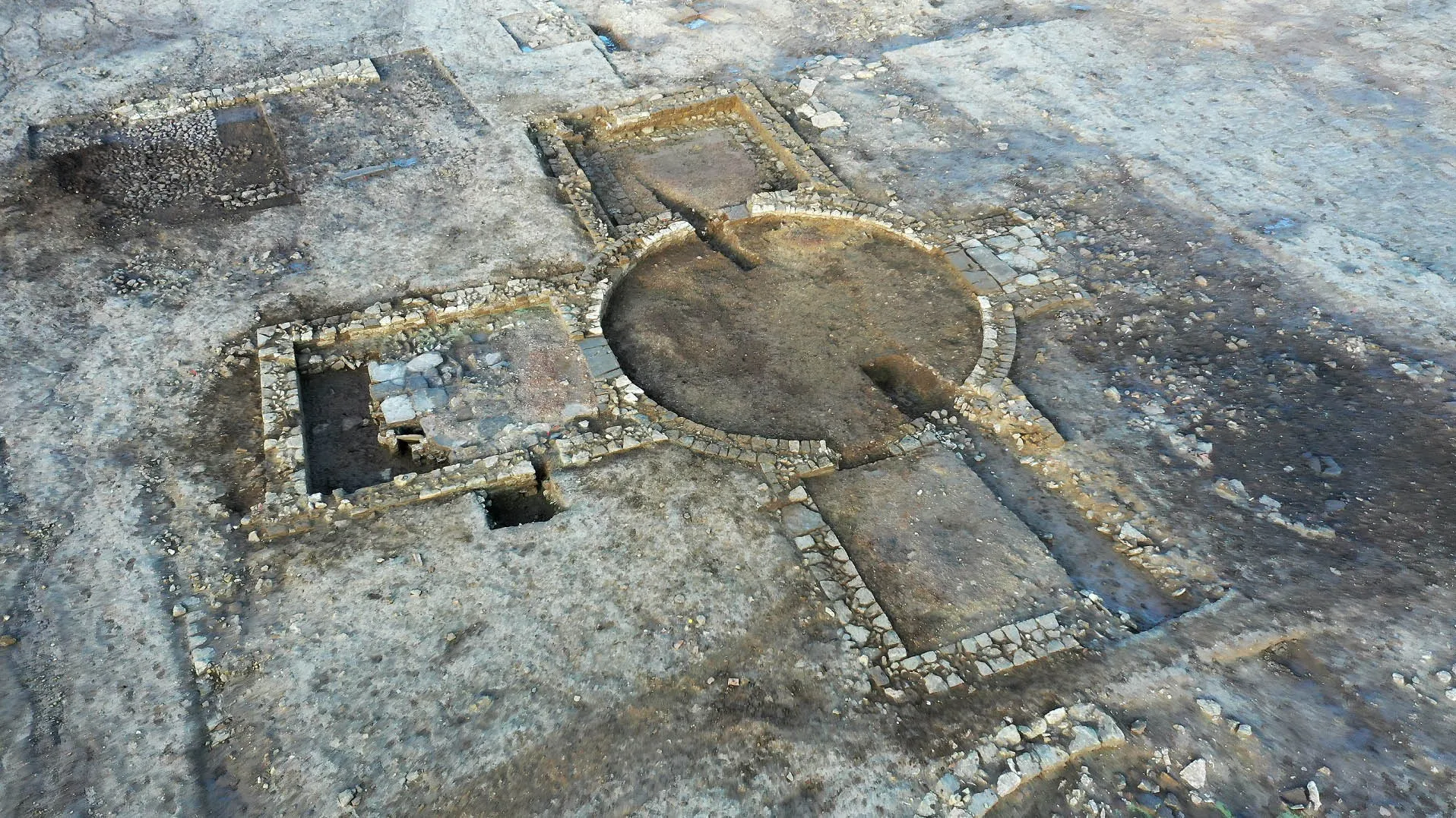
Excavations at the site have revealed pottery, coins, and structural remains that date the occupation and abandonment. Stratified layers show the transition from inhabited city to refuse dump. Archaeological evidence helps reconstruct the timeline of Roman punitive measures and the long period of abandonment.
The Role of the Samnites and the Roman Senate
The Samnites had long been rivals of Rome, and Fregellae's location in former Samnite territory added strategic weight. The Senate's decision to destroy rather than negotiate reflected its hardening stance toward Italian demands. This episode foreshadowed the Social War of 91–87 BCE, when broader grievances over citizenship erupted.
Military Tactics and Roman Response
Roman siege tactics typically combined blockade with assault when defenders resisted. The complete destruction of Fregellae went beyond standard conquest, as Rome often absorbed defeated cities. This level of punishment was reserved for rebels to signal that insurrection would not be tolerated.
Life in Fregellae Before and After the Siege
Before the siege, Fregellae was a thriving Latin colony with strong commercial and agricultural ties. After the destruction, survivors likely fled to neighboring towns or were resettled. The absence of rebuilding for 170 years shows how Roman policy could effectively erase a community from the landscape.
The Aftermath and Abandonment
After the siege, survivors were dispersed and the site lay abandoned for over 170 years. The prolonged absence of resettlement reflects Rome's deliberate policy of deterrence. Later reuse as a landfill indicates the site's marginal status until the imperial period.
The Importance of Archaeological Studies
Archaeological work at Fregellae provides a rare window into Roman punitive measures and urban abandonment. Stratigraphy and artifact analysis help date the destruction and subsequent landfill phase. Such sites inform our understanding of how Rome maintained control over Italian allies.
Conclusion
The story of Fregellae illustrates how Rome enforced loyalty through extreme punishment. The 170-year abandonment and later reuse as a landfill underscore the lasting impact of Roman policy. Similar patterns of destruction and deterrence shaped Rome's expansion across Italy.