AI Intersection Medical Imaging Scene Understanding Modern
In the evolving realm of artificial intelligence, transformative advancements are shaping diverse sectors. Cutting-edge solutions bridge the gap between visual data interpretation and practical applications, from healthcare innovation to the development of intelligent transport systems, illuminating the potential for profound societal impact.
The Art of Seeing: Transformative Power of Visual Interpretation
At its core, visual interpretation involves training computers to process and understand visual information as accurately and efficiently as humans. This transformative ability is now integral to many technologies, enabling them to interact more seamlessly with the world.
How Machines Learn to See
Modern systems rely on data processing and algorithmic analysis to deliver results. Training and validation improve accuracy over time. Deployment across networks enables scalable access. Documentation and monitoring support ongoing improvement.
From the Cloud to Your Device
Modern systems rely on data processing and algorithmic analysis to deliver results. Training and validation improve accuracy over time. Deployment across networks enables scalable access. Documentation and monitoring support ongoing improvement.
A World of Applications
Automation reduces manual effort and human error. Real-time processing supports instant feedback. Standards and protocols ensure compatibility across platforms. Documentation and monitoring support ongoing improvement.
The Intersection of Healthcare and Visual Understanding
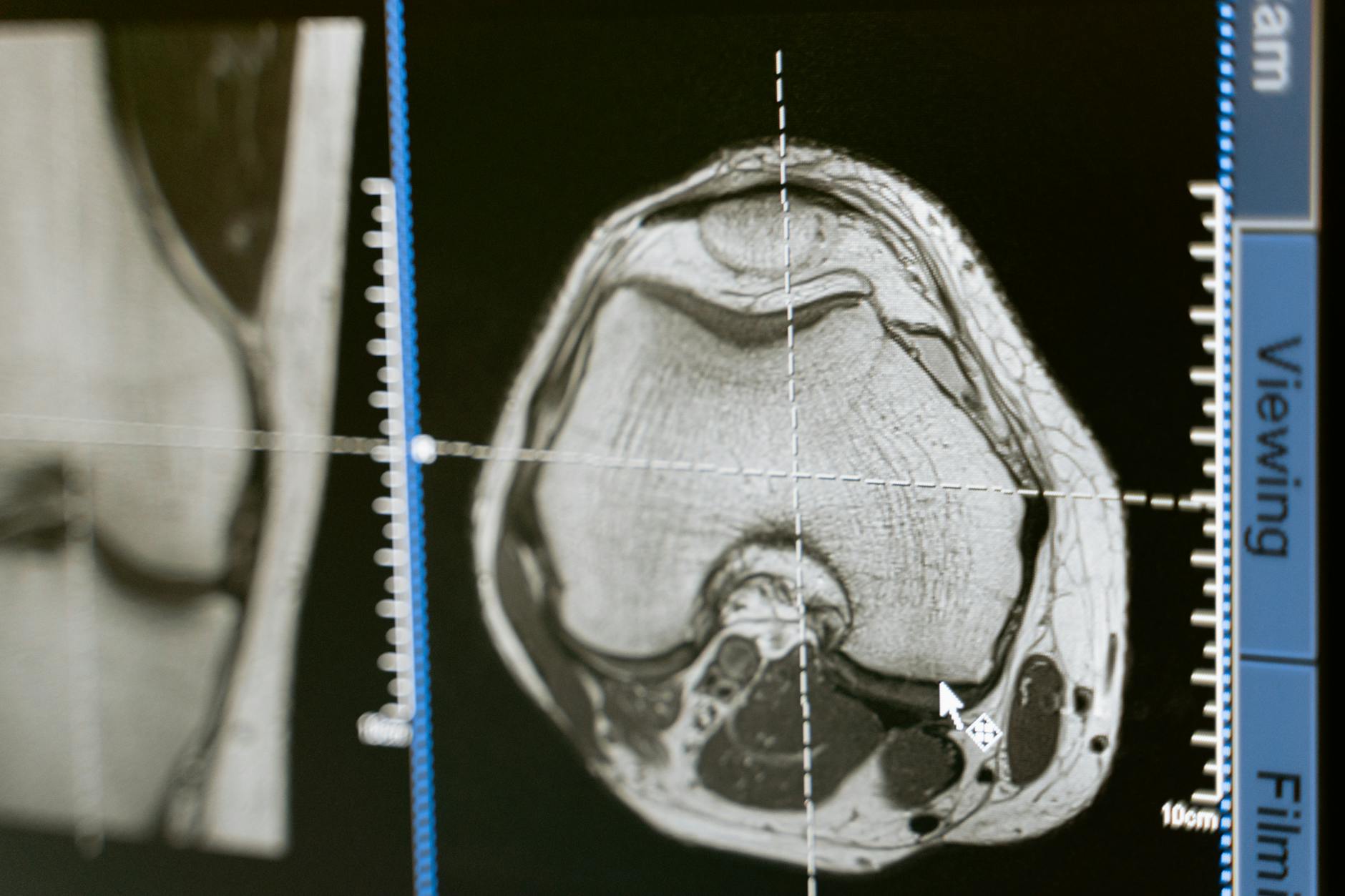
The healthcare sector is witnessing a breakthrough with the integration of sophisticated visual systems. By enhancing the interpretation of complex medical images, these technologies deliver new, high-precision tools for diagnosis and patient care.
A New Era in Diagnostics
Automation reduces manual effort and human error. Real-time processing supports instant feedback. Standards and protocols ensure compatibility across platforms. Documentation and monitoring support ongoing improvement.
Enhancing the Pathologist's Workflow
Automation reduces manual effort and human error. Real-time processing supports instant feedback. Standards and protocols ensure compatibility across platforms. Documentation and monitoring support ongoing improvement.
Beyond Pixels: Comprehensive Analysis
Beyond Pixels: Comprehensive Analysis involves multiple factors that affect outcomes. Research and practice continue to refine our understanding. Specific applications depend on context and individual circumstances. Additional research and practice inform best approaches in this area.
Intelligent Systems: Key Innovations and Their Impact
Emerging technologies in AI have launched a revolution across numerous industries. By merging with leading sectors like automotive, these advancements redefine operational paradigms and unlock new efficiencies.
The Transformation in Transportation
Software and hardware work together to handle complex tasks. Updates and patches address security and performance. Organizations integrate these tools into existing workflows. Documentation and monitoring support ongoing improvement.
The Personal Dimensions of Visual Technology
Modern systems rely on data processing and algorithmic analysis to deliver results. Training and validation improve accuracy over time. Deployment across networks enables scalable access. Documentation and monitoring support ongoing improvement.
Boundless Applications
Software and hardware work together to handle complex tasks. Updates and patches address security and performance. Organizations integrate these tools into existing workflows. Documentation and monitoring support ongoing improvement.
Bridging the Gap: Intelligent Visualization and Healthcare Innovations
The visualization capabilities of AI find profound applications within the healthcare industry, acting as a crucial link between medical insights and practical interventions.
Revolutionizing Healthcare with AI
Software and hardware work together to handle complex tasks. Updates and patches address security and performance. Organizations integrate these tools into existing workflows. Documentation and monitoring support ongoing improvement.
Ambitions Beyond the Hospital Setting
Software and hardware work together to handle complex tasks. Updates and patches address security and performance. Organizations integrate these tools into existing workflows. Documentation and monitoring support ongoing improvement.
Security and Future Prospects
As AI becomes integrated into healthcare, securing sensitive data is an absolute priority. Advanced biometric systems offer intricate security measures, safeguarding patient information through complex identification processes. Additionally, the alliance between AI and surgical robotics augments clinicians' precision during complex procedures, showcasing AI's capability to enhance human skills while redefining medical interventions. As these advancements converge, the potential to revolutionize care rises—propelling the healthcare industry toward a new era of precision and well-being.
In reflecting upon these narrative threads, it becomes clear that the intersection of image recognition, scene understanding, and intelligent systems heralds an era where the integration of technology improves efficiency, safety, and personal interactions across myriad aspects of daily life. From healthcare to autonomous transport, these technologies are not just reshaping industries but also enhancing the tapestry of our daily experiences. With continuous advancements, the future promises enhanced engagement with the world around us, leading to a more connected and intelligent reality.
Q&A
the role of image recognition in autonomous vehicles—a closer look.
Image recognition in autonomous vehicles matters for enabling these vehicles to interpret and understand their surroundings. It helps in identifying objects like pedestrians, other vehicles, traffic signs, and road conditions. This technology ensures that autonomous vehicles can make informed decisions in real-time to navigate safely and efficiently.
How is object detection different from image recognition, and why is it important?
Object detection not only identifies objects within an image but also provides their precise locations through bounding boxes. Unlike image recognition, which classifies the entire image, object detection supports applications requiring spatial information, such as robotics, surveillance, and autonomous driving, where understanding the exact position of objects matters for interaction and navigation.
What are the applications of facial analysis beyond security?
Beyond security, facial analysis is used in various fields such as marketing, where it helps in understanding consumer reactions to products and advertisements. In healthcare, it aids in diagnosing mental and emotional states by analyzing facial expressions. Additionally, it is used in personalized user experiences, such as unlocking devices and tailoring content recommendations.
How does scene understanding contribute to medical imaging?
Scene understanding in medical imaging involves interpreting complex medical images to identify and analyze specific anatomical structures or pathological conditions. This technology assists radiologists in diagnosing diseases by providing clearer insights into the images, improving accuracy, and speeding up the diagnostic process, ultimately enhancing patient care.
Why is scene understanding critical for autonomous vehicles?
Scene understanding allows autonomous vehicles to comprehend the overall context of their environment, including dynamic elements like moving vehicles and static elements like road signals. This comprehensive understanding is critical for making informed navigation decisions, avoiding obstacles, and ensuring the safety of passengers and other road users.