

Modern Facelift: Natural Rejuvenation
Modern facelift techniques have evolved dramatically from the "pulled" look of decades past. Today's approaches target the SMAS (superficial musculoaponeurotic system)—the deeper tissue layer that supports facial structure—rather than simply tightening skin. This produces natural movement, preserved expression, and results that last 7–15 years depending on technique and individual factors. Mini facelifts address the lower face and jawline with less extensive incisions and 1–2 weeks of downtime. Fat grafting and dermal fillers complement surgical results by restoring volume lost with age. Recovery typically involves 2 weeks of social downtime (bruising, swelling) and 6 weeks for full healing. This guide covers technique options, what to expect, and how to choose a surgeon for natural-looking rejuvenation.
Natural rejuvenation means results that look like you—refreshed, not altered. The goal is to address sagging, volume loss, and skin laxity while preserving your unique features. Surgeons who over-tighten or over-fill create the "done" look that many patients want to avoid. Communication is key: bring photos of your desired outcome and discuss what is achievable. Skin quality, bone structure, and healing capacity vary; a skilled surgeon tailors the approach. Non-surgical options—fillers, Botox, lasers—can delay surgery for years; they are not substitutes but complements. Unveiling the modern facelift is about understanding your options and choosing a surgeon who prioritizes natural, lasting results.
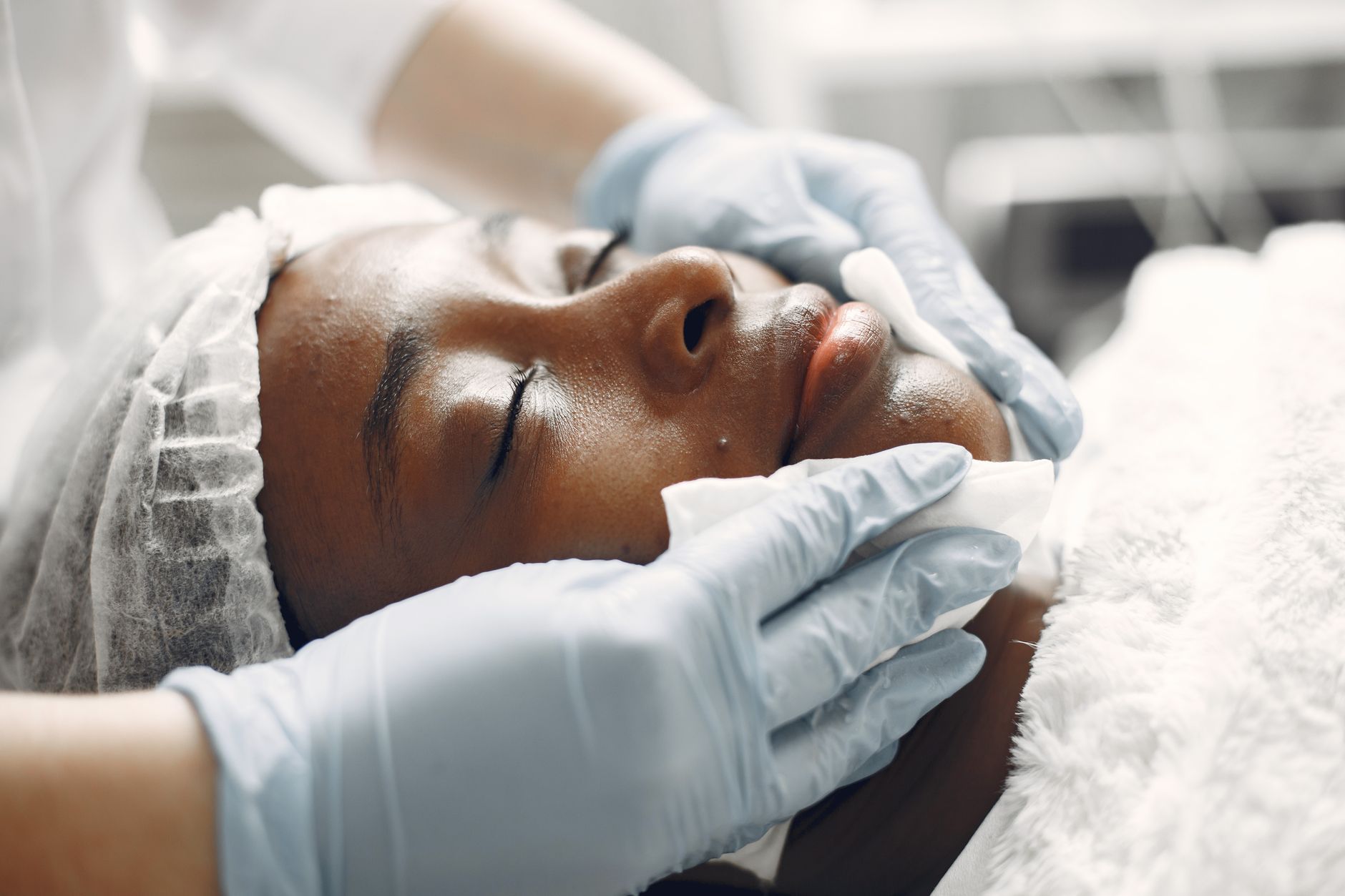
Technique Options: From Thread Lifts to Deep Plane
Traditional facelift (rhytidectomy) addresses the full face and neck through incisions in the hairline and around the ears. SMAS plication or imbrication repositions the deeper layer; skin is then redraped. Deep plane facelift releases the SMAS at a deeper level for more dramatic, natural movement—particularly for the midface. Mini facelift uses shorter incisions and targets the lower face; ideal for younger patients (40s–50s) with early jowling. Thread lifts (PDO, PLLA) use dissolvable sutures to lift tissue; downtime is minimal (1–3 days) but results last 12–24 months—they are not a substitute for surgery. Combination procedures—facelift with blepharoplasty (eyelid lift) or brow lift—address the entire face for harmonious results.
Choosing among technique options depends on your anatomy, goals, and tolerance for downtime. A surgeon will assess skin quality, volume loss, and bone structure. Deep plane techniques suit those with significant midface descent; mini facelifts suit those with early changes. Thread lifts appeal to those seeking minimal downtime but deliver shorter-lasting results. A guide to natural rejuvenation includes understanding that more extensive surgery typically means longer-lasting results—but also longer recovery. There is no single best technique; the best is the one that matches your goals and your surgeon's recommendation.
Fat Grafting and Complementary Treatments
Fat grafting harvests fat from the abdomen or thighs and injects it into the cheeks, nasolabial folds, and temples to restore volume. Results are permanent for surviving fat cells (typically 50–70%). Dermal fillers (hyaluronic acid) offer non-surgical volume with results lasting 12–24 months. Laser resurfacing and chemical peels improve skin texture and can be combined with surgery. Botox relaxes dynamic wrinkles (forehead, crow's feet) and is often used alongside facelifts. A comprehensive rejuvenation plan may combine surgery for structure with injectables and energy-based devices for skin quality.
Recovery, Results, and Realistic Expectations
Expect bruising and swelling for 1–2 weeks; most patients return to work in 2 weeks. Strenuous activity is restricted for 4–6 weeks. Incisions fade over 6–12 months; they are placed in the hairline and natural creases to minimize visibility. Results continue to improve as swelling resolves; final outcome is visible at 3–6 months. Surgery turns back the clock—it does not stop aging. Patients who maintain skincare, sun protection, and healthy habits see longer-lasting results. Realistic expectations are essential: a facelift restores a more youthful version of yourself, not a different face. A guide to natural rejuvenation includes understanding that the best results come from skilled surgeons who prioritize subtlety over dramatic change.
Choosing a Surgeon: Credentials and Consultation
Board certification in plastic surgery (American Board of Plastic Surgery) or facial plastic surgery (American Board of Facial Plastic and Reconstructive Surgery) is essential. View before-and-after galleries of patients with your age, skin type, and goals. Ask about scar placement, revision policy, and complication rates. Consult 2–3 surgeons to compare approaches and rapport. Avoid surgeons who pressure you into procedures you do not want. Cost varies by region and technique: $8,000–25,000 for a full facelift; mini facelifts run $5,000–12,000. Financing is available through CareCredit and similar programs. Unveiling the modern facelift means understanding your options and choosing a surgeon who prioritizes natural, lasting results.
Post-operative care affects outcomes. Follow your surgeon's instructions: head elevation, avoiding strenuous activity, and protecting incisions from sun. Swelling and bruising peak at 48–72 hours and gradually resolve. Most patients feel presentable at 2 weeks; residual swelling can persist for months. Scar care—silicone gel, sunscreen—minimizes visibility. A guide to natural rejuvenation includes patience: results improve over 6–12 months as tissues settle. Revision rates are low when patients choose qualified surgeons and have realistic expectations. The modern facelift, when done well, is a powerful tool for natural rejuvenation—unveiling a refreshed version of yourself.