

Unlocking The Secrets Of Korean Cosmetics Wholesale Suppliers
Korean beauty (K-beauty) has global appeal—innovative formulations, appealing packaging, and competitive pricing. Wholesale suppliers serve retailers, salons, and e-commerce sellers with brands like COSRX (snail mucin, $12–18 retail), Innisfree (green tea line, $8–25), Laneige (Water Sleeping Mask $25, Lip Sleeping Mask $22), Dr. Jart+ (Cicapair $48), and The Face Shop (Rice Water line $10–20). Finding reliable suppliers involves trade shows (Cosmoprof, K-Beauty Expo), B2B platforms (Alibaba, Korea-based K-Beauty suppliers), and direct brand partnerships. Minimum order quantities (MOQs) range from $500–1,000 for smaller distributors to $5,000+ for direct brand deals. Shipping, import regulations (FDA in US, EU cosmetics regulation), and product authenticity are critical. This guide helps you source authentic K-beauty products and build a profitable wholesale business.
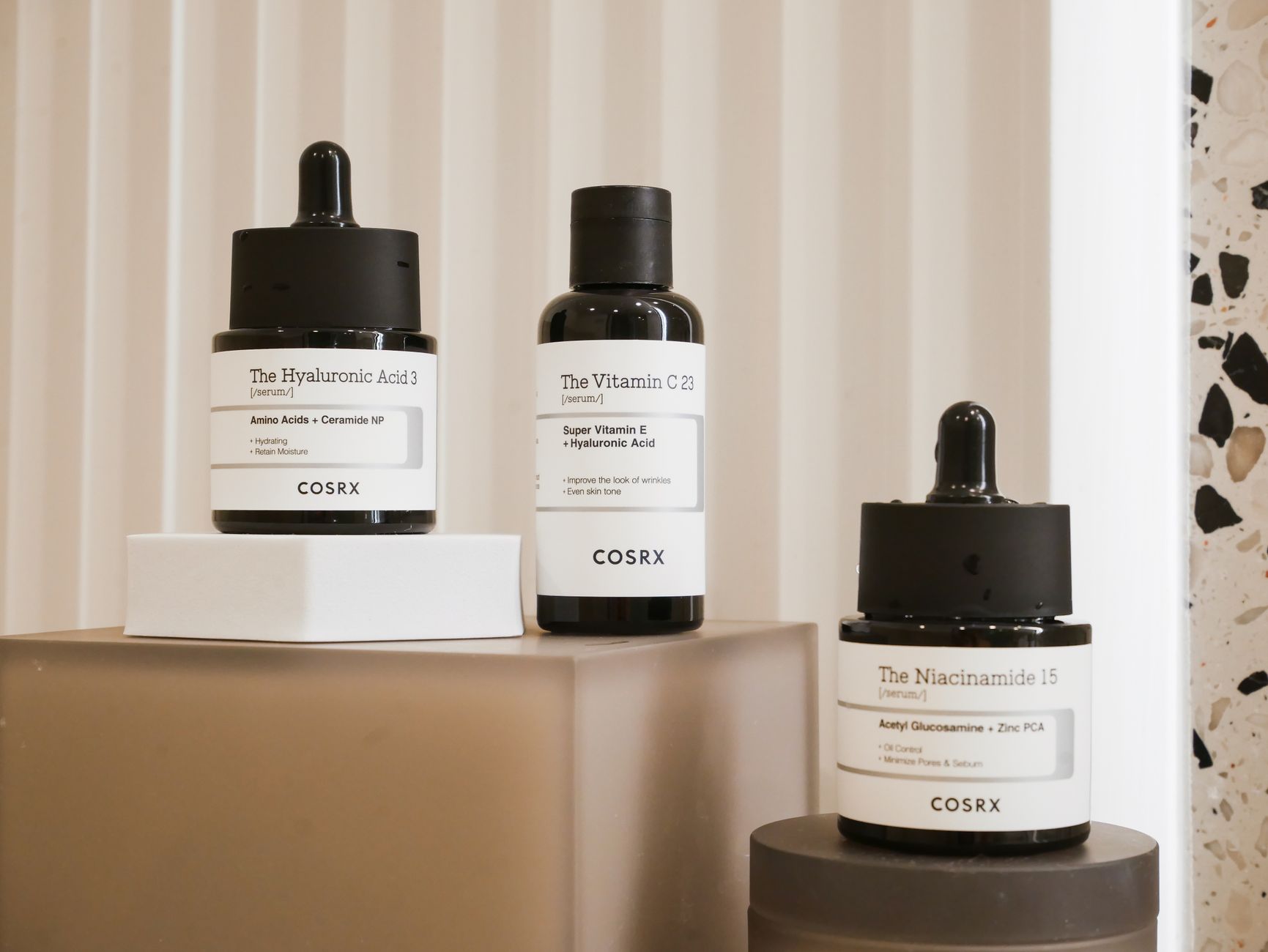
Finding Suppliers: Trade Shows, B2B Platforms, and Direct Partnerships
Cosmoprof (Bologna, Las Vegas) and K-Beauty Expo (Seoul, LA) connect buyers with manufacturers and distributors. Booth visits allow product sampling and relationship building. B2B platforms: Alibaba lists K-beauty suppliers; verify legitimacy—request samples, check references, confirm authorized distribution. Korea-based B2B sites (K-Beauty suppliers, Korea Cosmetic) require due diligence. Direct brand partnerships: contact brand export departments (COSRX, Laneige, Innisfree have international B2B contacts); larger MOQs ($5,000–20,000) but better margins (40–50% off retail) and guaranteed authenticity. Regional distributors (e.g., Peach & Lily for US, Stylevana for Asia-Pacific) carry multiple brands and handle import logistics.
Authenticity and Quality Verification
Counterfeit K-beauty is a risk—fake COSRX and Laneige products have been found on unauthorized marketplaces. Buy from authorized distributors or directly from brands. Verify batch codes (check with brand customer service) and packaging (holograms, font quality, spelling). Reputable suppliers provide certificates of analysis, import permits, and documentation. Avoid deals that seem too good—counterfeiters undercut legitimate pricing by 30–50%. Your reputation depends on selling authentic products.
MOQs, Shipping, and Import Regulations
MOQs vary: some suppliers require $500–1,000 minimum; others $5,000+. Start with lower MOQ suppliers to test demand. Shipping: sea freight $2–5/kg for large orders (4–6 weeks); air freight $8–15/kg for speed (1–2 weeks). Factor in duties (cosmetics typically 0–6.5% in US), taxes, and customs clearance. FDA: cosmetic products must comply with labeling and registration; no pre-approval for most cosmetics. EU: comply with cosmetics regulation (CPNP notification, ingredient labeling). Ensure products are within shelf life (typically 12–36 months unopened) and properly stored.
Building a K-Beauty Retail Business
Retail channels: e-commerce (Shopify, Amazon), brick-and-mortar, salon supply. E-commerce offers lower overhead; physical stores enable try-before-you-buy. Curate a mix of established brands (COSRX, Laneige) and emerging names (Some By Mi, Purito). Educate customers on routines: double cleansing (oil cleanser + foam), layering (toner, essence, serum, moisturizer). Marketing: Instagram, TikTok, K-beauty influencers; hashtags #kbeauty #koreanskincare. Retail success requires merchandising, marketing, and customer service.
Trends and Product Categories
Sheet masks ($1–5 each wholesale), essences ($8–20), and serums ($15–40) remain popular. Clean beauty and sustainability are growing—brands like Purito and Klairs emphasize minimal ingredients. Men's grooming and gender-neutral products are expanding. Stay current on trends; K-beauty evolves quickly with new launches every season.
Pricing and Margin Considerations
Wholesale pricing typically runs 40–60% below retail. Example: COSRX Snail Mucin retails $25; wholesale $10–12. Margins depend on volume, shipping costs, and competition. Factor in duties, taxes, and currency fluctuations (KRW/USD). Lower MOQ suppliers may charge 5–10% more. Calculate landed cost per unit (product + shipping + duties + handling) before committing. Profitability requires discipline on pricing and inventory management.
Customer Education and Marketing
K-beauty routines (double cleansing, layering) may be unfamiliar. Educate through in-store demos, blog content, and social media. Before-and-after photos and ingredient transparency build trust. Retail success requires marketing that connects products to customer needs. The K-beauty market continues to grow; position your business to capture it.
Sample Order and Testing Process
Before placing large orders, request samples from 2–3 suppliers. Verify product quality, packaging, and authenticity. Test sell-through with a small batch (50–100 units) before committing to larger MOQs. Track which SKUs move fastest—sheet masks and serums often have higher turnover than full-size moisturizers. Keep 6–8 weeks of inventory for popular items; 12–16 weeks for slower movers.
Payment terms: New buyers typically pay upfront or 50% deposit. Established relationships may qualify for net-30 or net-60. Wire transfer is standard; some accept PayPal or Alibaba Trade Assurance for smaller orders. Currency: Korean suppliers quote in USD or KRW; lock exchange rates for large orders. Returns: Most wholesale is final sale; negotiate return policy for defective goods. Build credit history with consistent, on-time payments to improve terms over time.
E-commerce setup: Shopify ($29–299/month) or WooCommerce (free + hosting) for your store. Amazon Seller Central ($39.99/month) or FBA for marketplace reach. Product photography: invest in clean, consistent images; K-beauty buyers expect ingredient lists and application demos. Shipping: USPS Priority $8–15 for small orders; offer free shipping over $50 to boost average order value. Customer service: respond within 24 hours; K-beauty buyers ask about routines and compatibility.
Korean cosmetics have earned a global reputation for innovation and quality. Sourcing from legitimate suppliers, verifying authenticity, and understanding import regulations are essential. The wholesale market offers opportunities for retailers, e-commerce sellers, and salon owners. Start with manageable orders, build relationships, and scale as you establish trust with suppliers and customers.