

Unlock The Freedom Of Riding Flexible E Bike Payments Without Upfront Cost
E-bikes offer assisted pedaling for commuting, recreation, and cargo—but upfront costs of $1,000–6,000+ can be a barrier. Flexible payment options include manufacturer financing (Specialized, Trek, Rad Power), retailer programs (Affirm, Klarna), and subscription or lease models. Some programs offer $0 down and monthly payments of $50–150; others require a down payment. Subscription services (Zoomo $79–199/month, Dance $79/month) let you ride without owning—fees include bike, maintenance, and sometimes insurance. This guide covers how to ride with flexible e-bike payments and what to compare.
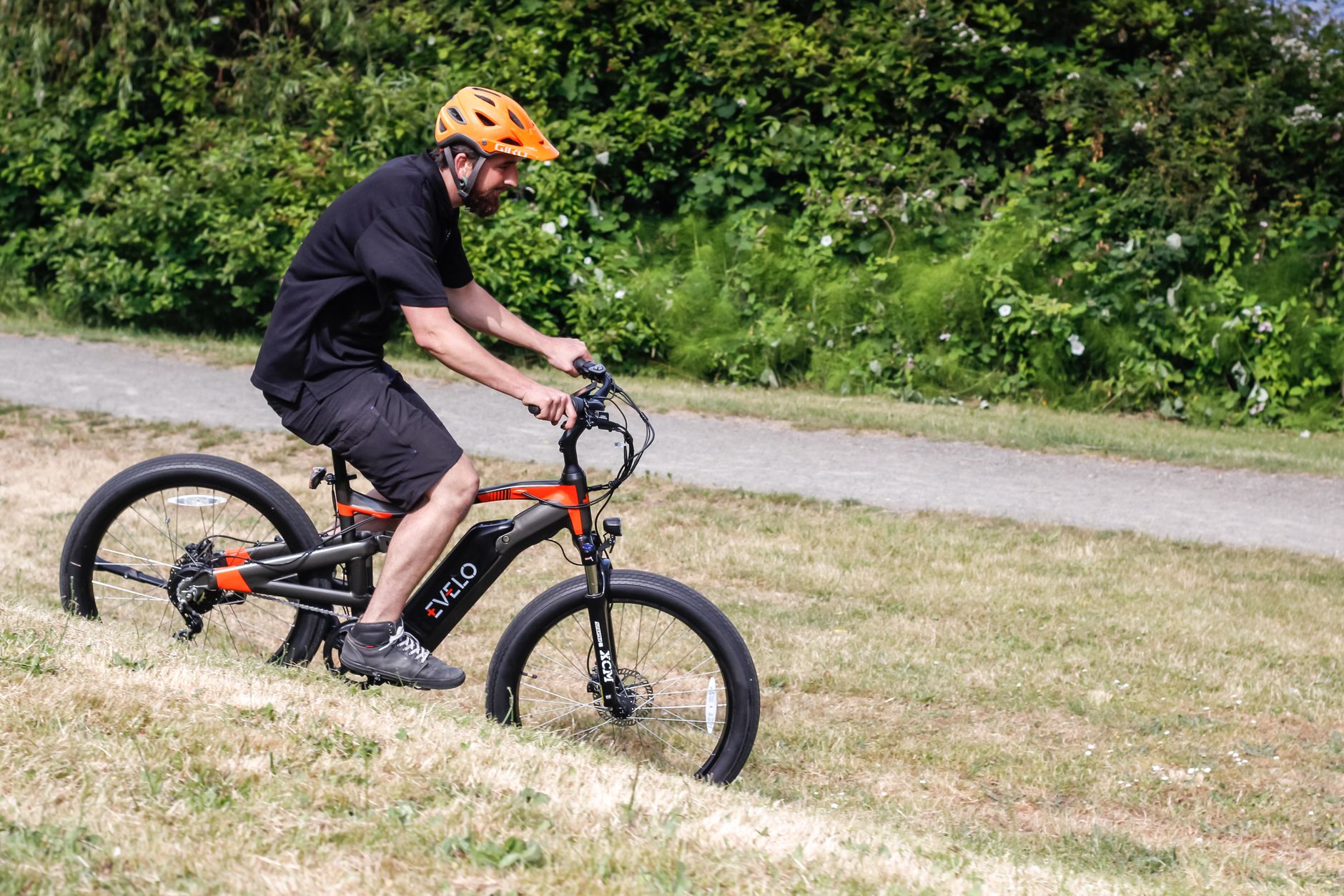
Financing Options: Manufacturer and Retailer Programs
Specialized, Trek, Giant partner with financing for 0% or low-APR offers—typically 6–12 months. Trek's program: 0% APR for 12 months on $500+ purchases. Retailers offer Affirm or Klarna at checkout; split payments over 4–12 months, often interest-free if paid on time. Credit requirements apply; approval is usually instant. Read terms: deferred interest can backcharge if not paid in full by promo end. Example: $2,000 bike at 0% for 12 months = $167/month; at 15% APR for 24 months = $97/month but $320 in interest. Direct-to-consumer (Rad Power, Aventon, Lectric) offer financing through partners—$0 down, $50–150/month.
Subscription and Lease Models
Zoomo: $79–199/month for commuter e-bikes; includes maintenance, theft coverage, swap if issues. Dance: $79/month in Berlin, NYC; similar model. Useful for trying e-bikes without commitment or short-term needs (seasonal commuters). At term end, purchase option may be available. Compare: subscription $79×24 = $1,896 vs. buying $2,000 bike—subscriptions often cost more long-term but offer flexibility and no maintenance responsibility.
What to Consider Before Financing
E-bike quality varies—cheap models ($500–800) may need costly repairs. Factor accessories: helmet $40–80, lock $50–150, cargo racks $80–200. Insurance: homeowners/renters may cover; dedicated e-bike insurance (Velosurance $100–200/year). Rebates: Denver $400, California $750–1,500 (income limits), Connecticut $500. Compare options, read terms, choose a bike that fits your needs. Monthly payments make e-bikes accessible.
E-Bike Types and Matching to Need
Class 1: pedal-assist only, 20 mph max—allowed on most bike paths. Class 2: throttle-assisted, 20 mph. Class 3: pedal-assist to 28 mph—often restricted on bike paths. Commuter: RadCity 5 ($1,499), Aventon Level.2 ($1,799). Cargo: RadWagon 4 ($1,799), Tern GSD ($6,000+). Fat-tire: RadRover 6 ($1,899) for off-road. Battery: 400–500 Wh typical for 20–40 miles. Match type to primary use.
Rebates, Incentives, and Tax Benefits
State/city rebates: $200–1,500; programs often have income limits. Colorado: $450–1,100. California: up to $1,750 for low-income. Employers: bike purchase programs or transit benefits (up to $300/month tax-free). Stack financing with rebates: $2,000 bike + $500 rebate + 0% financing = $125/month for 12 months. Test ride before buying—local shops offer test rides and professional fitting.
Comparing Total Cost of Ownership
Factor in: purchase price, financing interest, accessories ($150–400), maintenance (tune-up $75–150 annually, tire replacement $50–100 every 2–3 years), insurance ($100–200/year), and potential rebates. A $2,500 e-bike with 0% financing, $500 rebate, and $200 in accessories costs ~$183/month for 12 months. Compare to car costs: gas, insurance, parking—e-bikes often save $200–500/month for commuters. Subscription models (Zoomo $79–199/month) eliminate upfront cost but may cost more over 24+ months. Run the numbers for your situation.
Where to Buy and Test Ride
Local bike shops: test rides, professional fitting, service support. Brands like Trek, Specialized, Giant sell through dealers. Direct-to-consumer: Rad Power, Aventon, Lectric ship to your door—lower prices but no test ride unless you find a local owner. Some DTC brands have showrooms in major cities. REI carries e-bikes and offers member dividends. Try before you buy—fit and feel matter for daily riding comfort.
Conclusion
Flexible e-bike payments make riding accessible without upfront cost. Manufacturer financing (Specialized, Trek) and retailer programs (Affirm, Klarna) offer 0% or low-APR options—$50–167/month for $2,000 bikes. Subscription models (Zoomo $79–199/month) eliminate ownership. Factor in rebates: Colorado $450–1,100, California up to $1,750. Match e-bike type to use: Class 1 for paths, cargo for errands, fat-tire for trails. Compare total cost of ownership before committing. Monthly payments remove the barrier—ride without the full upfront cost.
Maintenance and longevity: quality e-bikes last 5–10 years with proper care. Battery replacement runs $300–800 every 3–5 years. Store indoors when possible; extreme cold reduces battery life. Lock investment: a $150 Kryptonite or Abus lock protects a $2,000 bike. Consider bike insurance (Velosurance, Markel) for theft and damage—$100–200/year. Join local e-bike groups on Facebook for route tips and community. E-bikes transform commuting and errands; the right payment plan makes ownership achievable.
Commuting calculations: a 10-mile round-trip commute costs $2–4 in electricity vs. $5–10 in gas. E-bikes avoid parking fees ($100–300/month in cities), gym memberships (riding counts as exercise), and car maintenance. Many employers offer bike commuter benefits—up to $300/month tax-free for bike purchases and maintenance. Lockers and secure parking are increasingly available at workplaces. Test your commute on a weekend before committing; route safety and bike lane availability vary. The financial and health benefits add up quickly for regular riders. Unlock the freedom of riding with flexible e-bike payments—monthly plans remove the barrier of upfront cost. Whether you commute, run errands, or explore trails, the right e-bike and payment plan can transform how you get around without a large upfront investment. Compare financing terms, factor in rebates, and choose a bike that fits your lifestyle.