

Blackout Blinds: A Guide to Choosing and Installing: A Guide to Choosing and Installing
Blackout blinds block nearly all light—ideal for bedrooms, nurseries, shift workers. Materials: cellular (honeycomb), roller, Roman shades with blackout liners. Cellular provides insulation (R-value 3–5), reducing heat loss and noise. Prices: $50–200 per window DIY (Home Depot, Lowe's, Amazon); $200–500+ custom (Bali, Hunter Douglas). Motorized and smart options add $100–300 per window.
Improves sleep quality, supports shift workers, can reduce energy costs. Brands: Levolor, Bali, Graber, Hunter Douglas. Levolor's cellular shades start around $80; Hunter Douglas Silhouette with blackout runs $300–400. Amazon's bestsellers (Nicetown, Deconovo) offer $25–50 options for standard sizes. Shift workers report 20–30% improvement in sleep quality with true blackout. Nursery blackout helps infants establish sleep cycles.
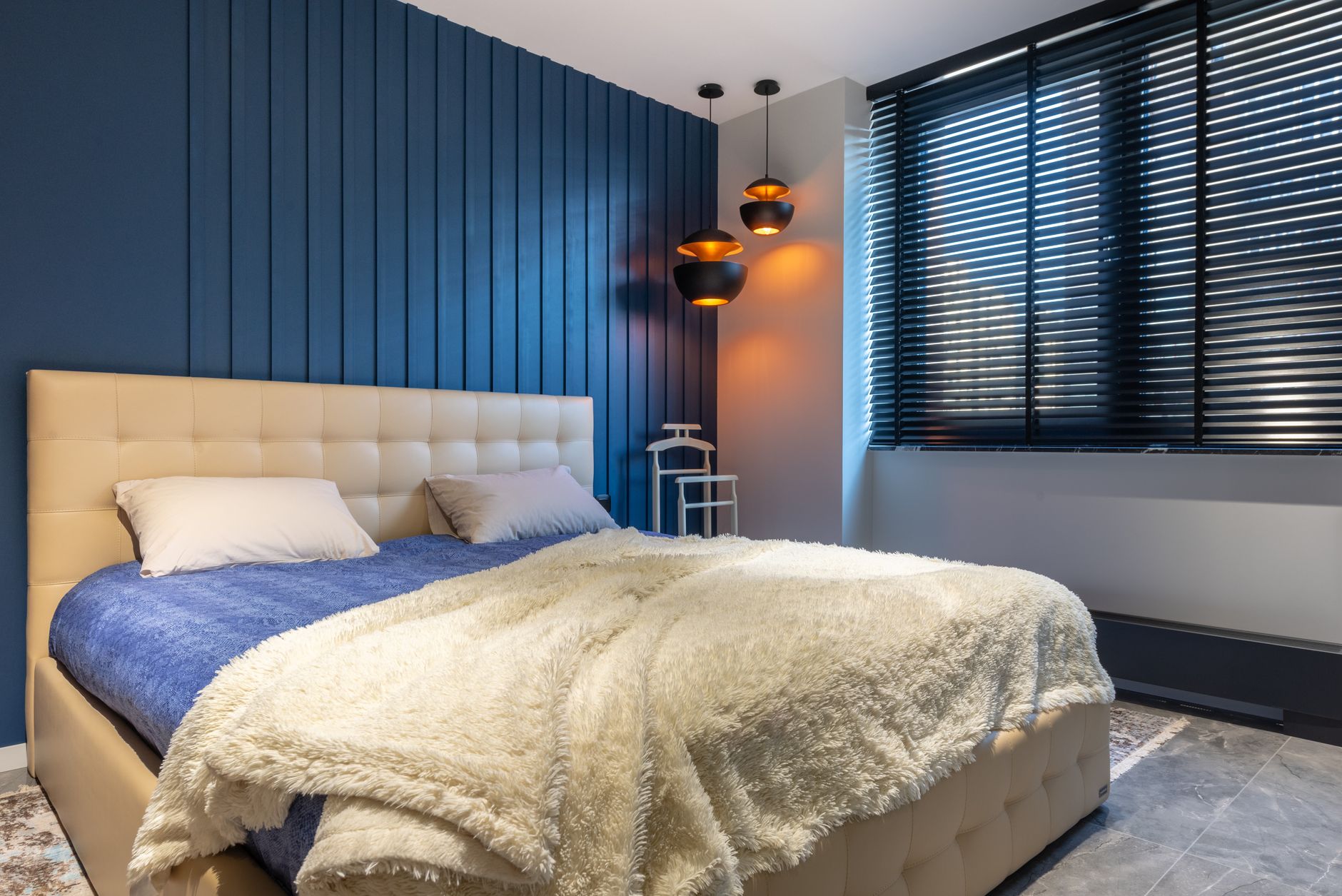
Types and Installation
Cellular: single, double, or triple cell; trap air for insulation. Roller: simple, affordable ($30–80). Roman and pleated with blackout lining: softer look ($80–150). Inside-mount: fits within frame; outside-mount: covers frame for maximum light blockage. Measure carefully: inside needs exact dimensions. Retailers (Blinds.com, Select Blinds) offer free samples and professional measurement. Choose type for your windows and aesthetic.
Installation: most DIY in 15–30 minutes per window. Tools: drill, screwdriver, level. Mounting brackets go inside or outside the frame. Valances hide the headrail. Cordless lift: pull down, push up—no strings. Motorized: plug into outlet or battery. Battery-operated motors last 6–12 months. Smart blinds: Lutron Serena ($350–500/window), IKEA Fyrtur ($110)—integrate with Alexa, Google, Apple Home. Budget option: IKEA Kadrilj roller shades ($25–50) with blackout fabric.
Layered approach: blackout shades + curtains for maximum darkness and aesthetic flexibility. Curtains (blackout lining) cost $30–100 per panel. Combination blocks light from top and sides. For irregular windows (arches, circles), custom is the only option. Blinds.com and Select Blinds offer free design consultation. Warranty: most quality shades have 1–5 year warranty. Hunter Douglas offers lifetime warranty on some products. Read warranty terms—some exclude motorized components.
Light Blocking Levels
True blackout: 99%+ light blockage—shift workers, light-sensitive sleepers. Room darkening: 95%+—suitable for most bedrooms. Check product specs. Home theaters need true blackout. Standard bedrooms may suffice with room darkening. Product descriptions specify level; "blackout" can mean 99% or 95%—verify.
Triple-cell cellular shades block more light than single-cell. Side channels (optional) prevent light leakage at edges. For street-facing windows, true blackout improves sleep. Light pollution affects melatonin production; blackout supports circadian rhythm. Test with a sample: hold a shade sample to a window and check light penetration. Some "blackout" curtains still allow 5–10% light—read reviews.
Care and Durability
Dust with soft cloth or vacuum with brush attachment. Avoid harsh chemicals. Blackout materials can fade with direct sun; UV-resistant options for south-facing windows. Cordless and motorized improve safety for children and pets. Cordless lift standard on most new shades. Expect 5–10 years with proper care. Spot clean with mild soap and water.
Smart and Motorized Options
Motorized: remote or app control. Smart home: Alexa, Google, HomeKit—voice control and scheduling. Lutron Serena, Hunter Douglas PowerView. Automate for sleep schedules or privacy. Add $100–300 per window. Valuable for hard-to-reach windows. Schedule: close at sunset, open at sunrise.
Installation and Measurement
Inside mount: exact width and height; measure in three places. Outside mount: overlap 2–4 inches each side for light blockage. Many retailers offer free professional measurement. DIY feasible for standard windows; complex or large need professional. Errors lead to light leakage. Order samples to verify color and material. Blinds.com, Select Blinds: measure guides on website.
Child Safety
Cordless options eliminate strangulation risk—CPSC recommends cordless for homes with children. Cordless lift or motorized are standard on most new shades. If you have cords, use cleats to wrap excess. Replace old corded blinds in children's rooms. Cordless adds $10–30 to most options.
Cleaning: dust monthly with soft cloth or vacuum brush. Spot clean with mild soap and water; avoid harsh chemicals. Fabric shades may need professional cleaning every 2-3 years. Replace batteries in motorized units annually. Proper care extends life to 10-15 years for quality shades.
Layered approach: blackout shades plus curtains for maximum darkness and aesthetic flexibility. Curtains with blackout lining cost 30-100 dollars per panel. Combination blocks light from top and sides. For irregular windows like arches and circles, custom is the only option. Blinds.com and Select Blinds offer free design consultation. Most quality shades have 1-5 year warranty.
Where to buy: Blinds.com, Select Blinds, and Lowes offer free samples. Order before committing. Custom sizes: measure width and height in inches; standard sizes may not fit older homes. Professional installation: 50-150 dollars per window if you prefer not to DIY. Energy savings: cellular shades can reduce heating and cooling costs 5-15 percent by blocking heat transfer.
Where to buy: Blinds.com, Select Blinds, and Lowe's offer free samples—order before committing. Custom sizes: measure width and height in inches; standard sizes may not fit older homes. Professional installation: $50–150 per window if you prefer not to DIY. Energy savings: cellular shades can reduce heating/cooling costs 5–15% by blocking heat transfer. The investment pays off in improved sleep and energy efficiency.