

Trends In Psw Training Online Courses And Certification Programs
Personal Support Workers (PSWs)—also known as Personal Care Attendants or Healthcare Aides—provide hands-on care to clients in home care, long-term care (LTC), and hospital settings. Ontario programs require 600+ hours of training including classroom instruction and mandatory clinical placement. Demand has surged 25% as Canada's aging population drives home care needs; the province has mandated staffing ratios in LTC, creating thousands of new positions. Online theory components have expanded post-pandemic; in-person labs and clinical placement remain mandatory for competency assessment. Wages range from $22–28/hour in Ontario, with LTC often paying more than home care. This guide covers curriculum, accreditation, and career outcomes. PSW work is physically and emotionally demanding but offers job security, flexible scheduling, and the satisfaction of meaningful care. Career advancement includes bridging to RPN or RN through college programs. Specialization in dementia care or palliative care can increase employability and earning potential.
Curriculum and Accreditation
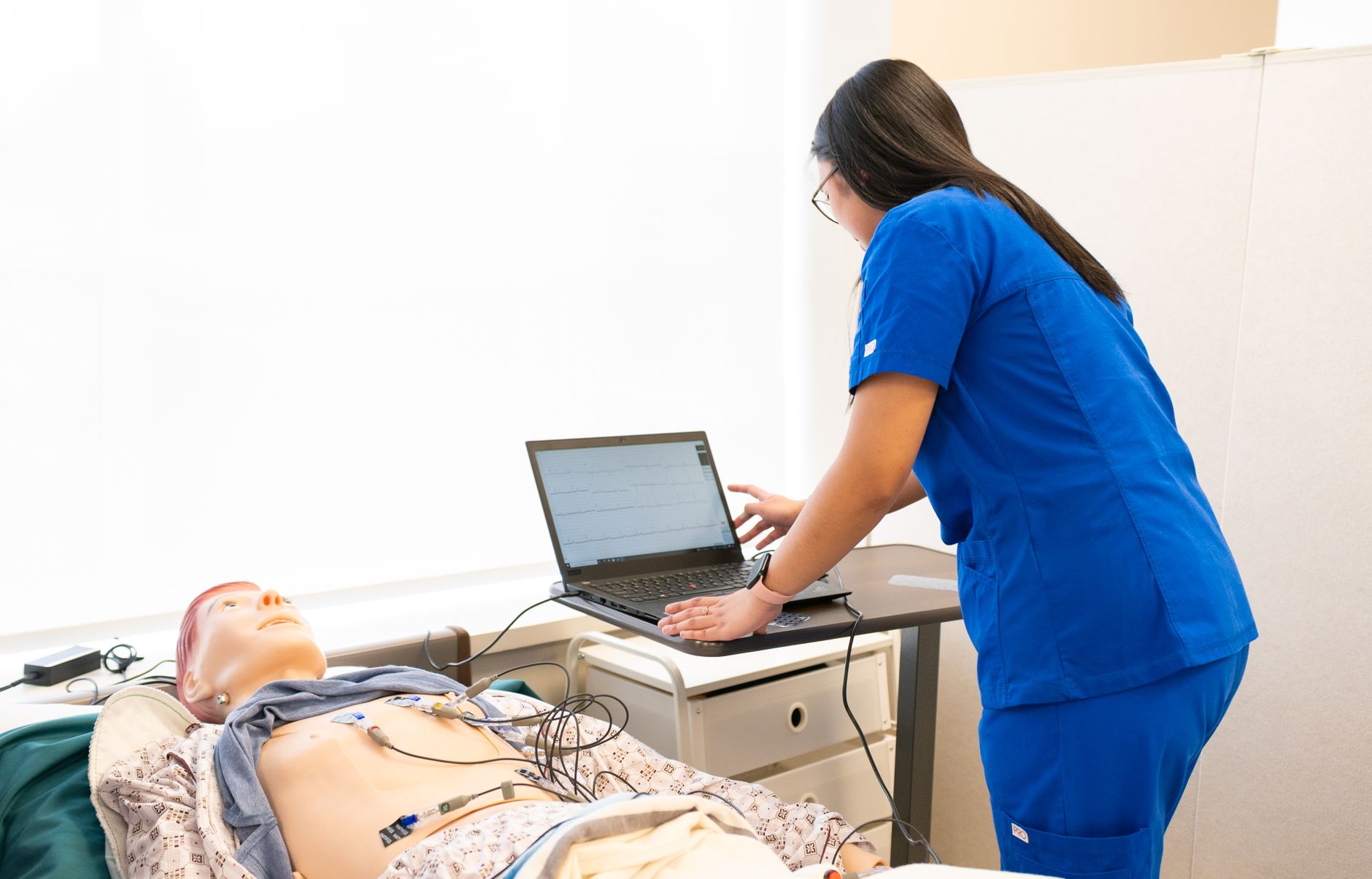
PSW programs cover personal care (bathing, dressing, toileting), mobility assistance, meal preparation, and household management. Dementia care, palliative care, and mental health modules are increasingly included. Ontario's Ministry of Health requires program approval for employment eligibility in publicly funded settings. Hybrid models offer online theory with in-person labs and simulation; clinical placement in LTC or home care is typically 150–200 hours. Programs run 6–12 months depending on format. Compare programs by approval status, placement support, and graduate employment rates.
Cost and Financial Support
Tuition ranges from $3,000–8,000 for college and private programs. Ontario Second Career and other government programs may fund training for eligible applicants. Some employers offer tuition reimbursement or paid training for PSWs who commit to employment. Part-time and evening options accommodate working students. Clinical placement may require travel; factor in transportation and scheduling.
Career Outcomes and Advancement
PSWs work in LTC homes, retirement residences, hospitals, and home care agencies. Full-time positions in LTC are mandated by provincial staffing ratios. Home care offers flexible scheduling but often lower pay and less benefits. Career ladder includes bridging to RPN (Practical Nurse) or RN through college programs. Specialization in dementia care or palliative care can increase employability. Private care agencies offer flexible scheduling; public sector offers stability and benefits. Demand is strong; job security is high in this growing field.
Program Formats and Schedules
Full-time programs run 6–8 months; part-time and evening options extend to 12 months. Hybrid models combine online theory with in-person labs—ideal for working students. Ensure the program is Ministry-approved; unapproved programs may not qualify graduates for employment in publicly funded settings. Clinical placement is typically 150–200 hours in LTC or home care; programs vary in placement support. Some employers hire PSW students before graduation and offer paid placement. Compare graduation rates, employment outcomes, and placement success before enrolling.
Industry Demand and Job Outlook
Canada's aging population drives sustained demand for PSWs. Ontario's mandatory staffing ratios in LTC created thousands of new positions. Home care and retirement residence sectors also need workers. Wages have risen in response to demand; unionized LTC positions often offer better benefits. The work is physically and emotionally demanding; self-care and boundaries are important. For those who find meaning in caregiving, PSW training offers a fast path to a stable, in-demand career. Job security is high in this growing field; PSWs who complete approved programs and pursue specialization can build rewarding careers in healthcare.
Day in the Life of a PSW
PSWs assist with activities of daily living: bathing, dressing, toileting, and mobility. They may prepare meals, do light housekeeping, and provide companionship. In LTC, a PSW might care for 8–12 residents per shift; in home care, visits are typically 1–2 hours per client. The work requires physical stamina (lifting, transferring) and emotional resilience. Building rapport with clients and families is rewarding; dealing with decline and loss is challenging. Trends in PSW training emphasize dementia care, palliative care, and mental health—skills that increase employability. The profession suits those who want meaningful work with flexible entry requirements and strong job prospects.
Selecting the Right Program
When evaluating PSW programs, verify Ministry of Health approval—essential for employment in publicly funded settings. Ask about clinical placement: who arranges it, how long it takes, and what happens if placement is delayed. Programs with hospital and LTC partnerships place students more reliably. Check graduation and employment rates. Visit the campus if possible; meet instructors and current students. Trends in PSW training include increased focus on mental health, trauma-informed care, and cultural competency—look for programs that incorporate these. Online and hybrid options have expanded access; ensure in-person components meet your schedule. The right program balances cost, quality, and practical support for placement and employment. Trends in PSW training continue to evolve; stay informed about new certification requirements and employer preferences in your region. Graduates of approved programs enter a field with strong demand and opportunities for advancement. Trends in PSW training continue to emphasize hands-on skills and compassionate care.