

Change Tresses The Journey Of Hair Transplantation And Restoration
Hair transplantation moves healthy follicles from donor areas (typically the back and sides of the scalp) to thinning or bald regions, where they grow permanently. Modern techniques—FUE (follicular unit extraction) and FUT (follicular unit transplantation)—offer different trade-offs in scarring, recovery, and yield. FUE extracts individual follicles with a punch tool, leaving tiny dot scars; FUT removes a strip, leaving a linear scar but potentially higher graft survival. Results appear gradually: shedding at 2–4 weeks, new growth at 3–4 months, full effect at 12–18 months. Candidacy depends on donor supply, pattern of loss, age, and expectations. The procedure has evolved significantly—today's results are far more natural than the pluggy look of decades past. This guide covers the journey from consultation to long-term results.
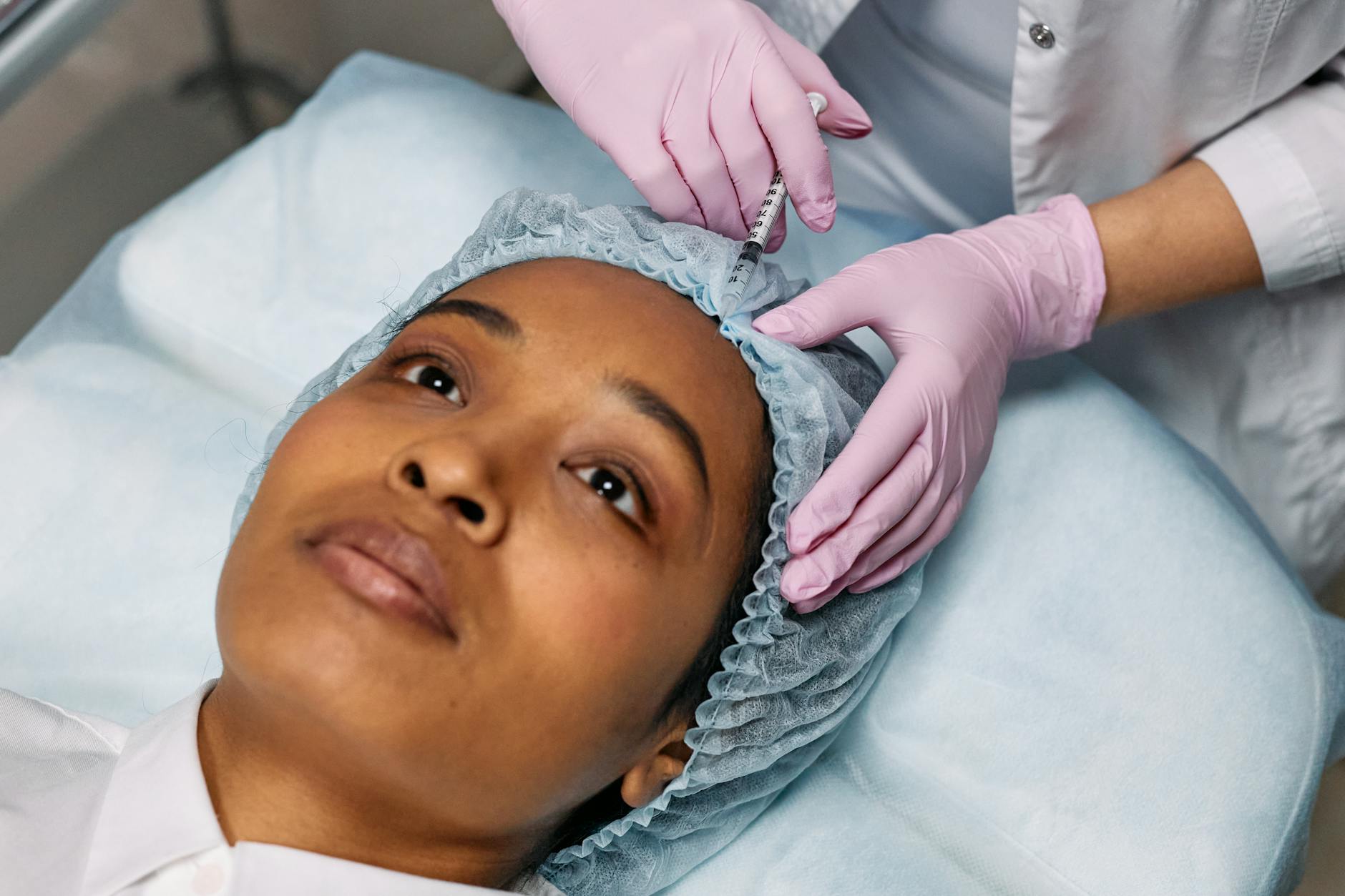
Consultation and Candidacy
A thorough consultation assesses donor density, pattern of loss (Norwood scale for men, Ludwig for women), scalp laxity, and expectations. Good candidates have stable donor supply and realistic goals. Young patients (under 25) may still be losing hair—transplanting too early can create unnatural patterns as loss continues. Women with diffuse thinning may have limited donor supply. Medical conditions (e.g., uncontrolled alopecia areata) may disqualify. Surgeons should explain what's achievable—density, coverage, and limitations. Beware of clinics that overpromise; reputable surgeons set realistic expectations.
FUE vs. FUT: Choosing a Technique
FUE: no linear scar, shorter recovery, can wear hair short. Suits those who want flexibility in styling. Slower extraction; mega-sessions may take 8–12 hours. Robotic FUE (e.g., ARTAS) can assist but adds cost. FUT: strip harvest yields more grafts per session; single scar hidden by hair. Better for those needing maximum coverage in one procedure. Recovery involves sutures or staples; more discomfort. Choice depends on goals, donor supply, and willingness to accept scarring. Some surgeons offer both; hybrid approaches exist.
The Procedure and Recovery
Procedures are typically done under local anesthesia; sedation may be offered. FUE: surgeon extracts follicles one by one, then makes recipient sites and places grafts. FUT: strip removal, dissection under microscope, then placement. Sessions run 4–12 hours depending on graft count. Post-op: avoid touching, strenuous activity, and sun for 1–2 weeks. Crusting and shedding of transplanted hairs at 2–4 weeks is normal. Swelling and numbness resolve over weeks. Most return to work in 3–7 days. Final results take 12–18 months as follicles cycle through growth phases.
Cost and Choosing a Surgeon
Cost varies by geography and graft count: $4–15 per graft, with typical procedures involving 1,500–4,000 grafts. Total cost often $6,000–25,000. Turkey and other destinations offer lower prices but require travel and research. Choose a surgeon certified by the ABHRS (American Board of Hair Restoration Surgery) or equivalent. Review before/after photos of similar cases. Avoid bargain clinics—poor technique leads to wasted grafts, scarring, and unnatural results. The journey of hair transplantation is a long-term investment; choose wisely.
Post-Transplant Care and Medications
Surgeons typically prescribe antibiotics and pain medication. Avoid touching the recipient area, strenuous exercise, and sun exposure for 1–2 weeks. Sleep with head elevated to reduce swelling. Crusting forms around grafts; it sheds naturally—do not pick. Some surgeons recommend minoxidil or finasteride post-transplant to support native hair and slow further loss. Discuss medication options and timing with your surgeon. Long-term care includes protecting the scalp from sun and avoiding trauma to the transplanted area.
Managing Expectations
Transplantation restores hair in the treated area; it does not stop ongoing genetic loss. Future procedures may be needed if loss continues. Density achieved depends on donor supply and scalp characteristics—not everyone can achieve the density of their youth. Natural-looking hairlines require artistry; avoid surgeons who create straight, pluggy hairlines. Realistic expectations, combined with a skilled surgeon and proper care, lead to satisfying results that transform your appearance for years to come.
Alternatives and Adjuncts
Minoxidil and finasteride can slow progression and support native hair; some surgeons recommend them before or after transplant. PRP (platelet-rich plasma) and laser therapy are adjuncts some clinics offer. Hair systems (wigs, toupees) are non-surgical options. The journey of hair transplantation is one path—combining it with medical therapy or considering alternatives depends on your goals and candidacy. A qualified surgeon can discuss all options.
Long-Term Care
Transplanted hair is permanent but native hair may continue to thin. Many patients use minoxidil or finasteride long-term to preserve results. Protect your scalp from sun; avoid trauma. Annual check-ins with your surgeon can monitor progress. Transforming tresses through hair transplantation and restoration is a journey that extends well beyond the procedure—ongoing care supports lasting results.
Common Questions
Will it look natural? In skilled hands, yes—modern techniques create undetectable results. Is it painful? Local anesthesia makes the procedure tolerable; some discomfort during recovery. Can women get transplants? Yes—women with pattern thinning or trauma can benefit. Will it work for me? Consultation determines candidacy. The journey of hair transplantation and restoration answers these questions and more for those considering the procedure.