

The Future Of Pharma Sustainable Packaging Revolution
The pharmaceutical industry is shifting toward sustainable packaging—recyclable blisters, mono-material pouches, reduced plastic, and paper-based alternatives—while maintaining drug stability, child resistance, and serialisation compliance. Regulatory requirements (FDA, EMA) demand barrier properties and tamper evidence; sustainability adds complexity. Innovations include paper-based blisters, post-consumer recycled (PCR) content, and refill systems. Cold chain and biologics pose additional challenges. This guide covers the innovations driving the sustainable packaging revolution, the challenges pharma faces, and how the industry is collaborating across the supply chain.
Innovations: Recyclable Blisters, Mono-Materials, and Refills
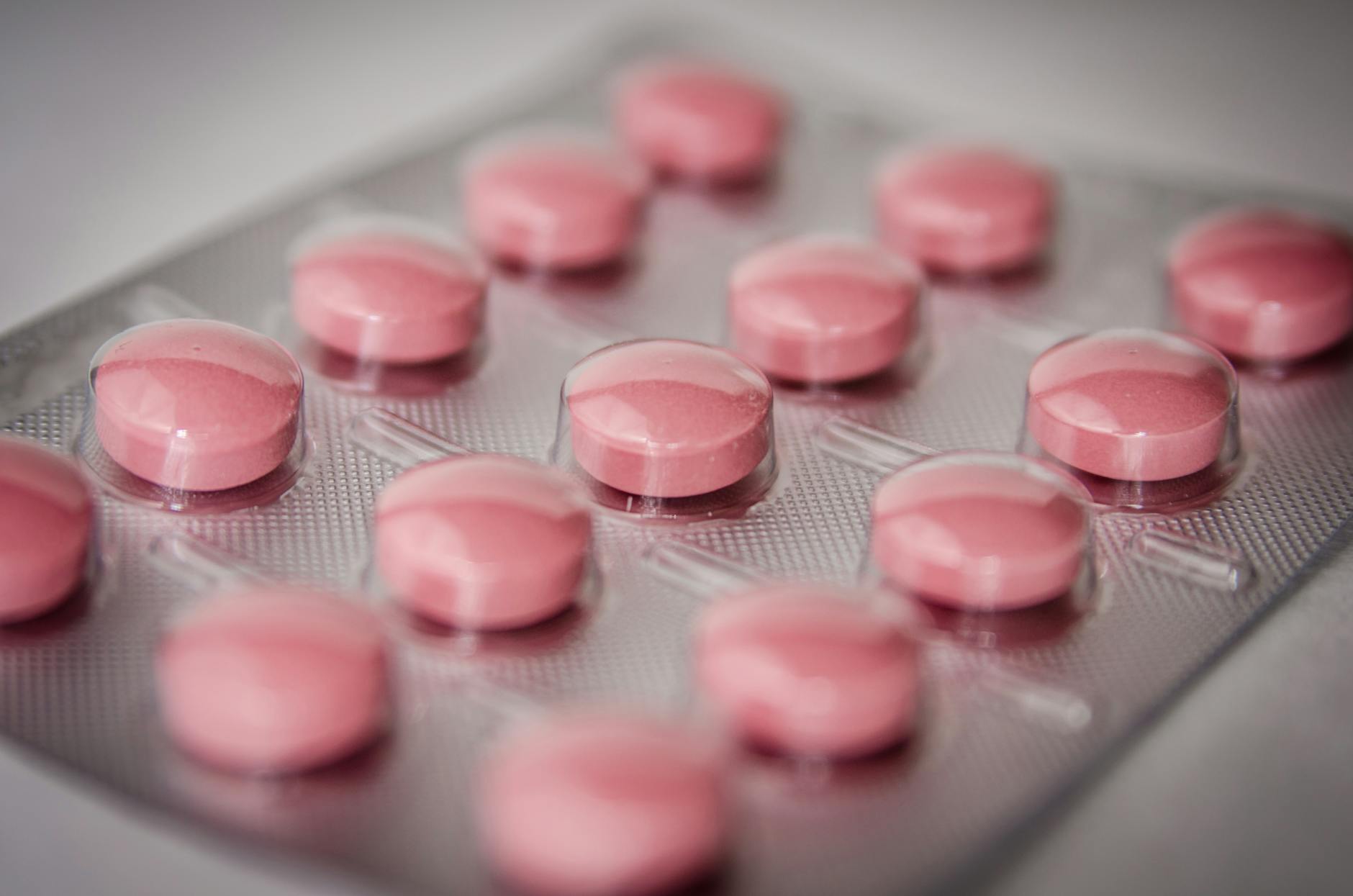
Traditional blisters combine PVC or PVDC with aluminium—difficult to recycle. New mono-material blisters (e.g., polypropylene or polyethylene) enable recycling in existing streams. Paper-based blisters are emerging for solid oral doses; barrier coatings protect against moisture. PCR (post-consumer recycled) content in bottles and cartons reduces virgin plastic. Refill systems—where patients return empty containers for refill—reduce single-use waste. The future of pharma sustainable packaging revolution depends on innovations that meet both environmental and regulatory goals.
Cold Chain and Biologics
Vaccines and biologics require temperature-controlled packaging—insulated shippers, cold packs, and monitoring. Sustainable alternatives (recyclable insulation, phase-change materials from renewable sources) are in development. Reusable shipping systems exist for some products; logistics and cleaning add complexity. The future of pharma sustainable packaging must address the most demanding use cases—cold chain is a priority.
Challenges: Stability, Barrier, and Cost
Drug stability requires protection from moisture, light, and oxygen. Sustainable materials must match or exceed current barrier performance—or formulations must be adapted. Child-resistant features (CR packaging) are legally required for many drugs; new materials must pass testing. Cost: sustainable options often cost more initially; scale and innovation will reduce the gap. Regulatory alignment across markets (US, EU, Asia) varies—harmonisation supports adoption. The future of pharma sustainable packaging revolution requires collaboration: manufacturers, suppliers, regulators, and recyclers.
Collaboration Across the Supply Chain
Pharma companies partner with packaging suppliers (Amcor, Berry Global) on R&D. Industry initiatives (Alliance to End Plastic Waste, Ellen MacArthur Foundation) drive circular economy principles. Design for recycling—avoiding mixed materials, using standard formats—enables recovery. The future of pharma sustainable packaging is a revolution in progress: incremental gains today, transformative change over the next decade.
Regulatory and Patient Considerations
FDA and EMA require packaging to maintain drug stability, prevent tampering, and support serialisation (track-and-trace). Any sustainable alternative must meet these standards. Patient acceptance matters—elderly patients may struggle with new opening mechanisms; child resistance must not compromise accessibility. The future of pharma sustainable packaging revolution must balance environmental goals with patient safety and usability. Regulatory pathways for new materials are evolving.
Timeline and Realistic Expectations
Full transition to sustainable pharma packaging will take years. Pilot programs and limited launches are underway. Mono-material blisters and PCR content are advancing fastest. Paper-based and refill systems require more development. The future of pharma sustainable packaging revolution is incremental—each innovation adds to the momentum. Companies that invest now will lead; laggards will face regulatory and consumer pressure.
Pharma packaging has long prioritised function over sustainability. The future of pharma sustainable packaging revolution shifts that calculus—innovation, regulation, and consumer demand are aligning. Recyclable blisters, reduced plastic, and circular design are no longer optional. The industry is adapting; the revolution is underway. Stay informed on developments; sustainable packaging will define the next era of pharma.
Consumer and Investor Pressure
Patients and advocacy groups increasingly demand sustainable choices. ESG (environmental, social, governance) investors scrutinise packaging practices. The future of pharma sustainable packaging revolution is driven in part by stakeholder pressure—companies that lead will gain reputational and competitive advantage. Sustainability is becoming a licence to operate, not a nice-to-have.
The pharmaceutical industry is at an inflection point. The future of pharma sustainable packaging revolution is no longer a question of if but when and how. Innovations in materials, design, and supply chain collaboration are accelerating. Companies that invest in sustainable packaging today will lead the next decade. The revolution is real—and it is gathering momentum.
Case Studies and Early Adopters
Several pharma companies have launched pilot programs: recyclable blister trials, PCR content in secondary packaging, and refill systems for chronic medications. The future of pharma sustainable packaging revolution is being built by these early adopters. Success requires collaboration with recyclers, regulators, and patients. Lessons from pilots inform broader rollout. The industry is learning by doing.
Sustainability is no longer optional for pharmaceutical packaging. The future of pharma sustainable packaging revolution is driven by regulation, consumer demand, and corporate responsibility. Mono-materials, recyclable blisters, and reduced plastic are the direction of travel. Challenges remain—stability, cost, cold chain—but the momentum is clear. Pharma packaging will look different in 2030; the revolution has begun.
Pharmaceutical companies face mounting pressure to reduce environmental impact. The future of pharma sustainable packaging revolution addresses this through innovation: recyclable materials, reduced waste, and circular design. Regulatory alignment and supply chain collaboration are essential. Early adopters are piloting new solutions; lessons learned will inform broader adoption. The industry is committed to change—sustainable packaging is the future, and the future is now.
Packaging innovation must not compromise patient safety. The future of pharma sustainable packaging revolution balances environmental goals with drug stability, child resistance, and serialisation. Every new material undergoes rigorous testing. The pace of change is deliberate—pharma cannot rush sustainability at the expense of efficacy. The revolution is real, but it is also responsible.