

The Evolution Of Lingerie How Transparency Is Transforming Fashion In The United States
Sheer and mesh pieces dominated 2026 runways; brands like Savage x Fenty and Skims have normalized visible undergarments as outerwear. The U.S. lingerie market reached $18 billion in 2026, driven by body inclusivity, sustainability, and a shift from private to public expression. Sustainable brands like Naja use recycled nylon; others offer 30+ bra sizes and extended color ranges. ThirdLove's Fit Finder and Cuup's 30+ sizes (including 28–48 band, A–O cup) exemplify the shift. Transparency in lingerie—both literal (sheer fabrics) and figurative (supply chain, sizing)—is reshaping how Americans wear and buy intimate apparel. What was once hidden is now fashion-forward.
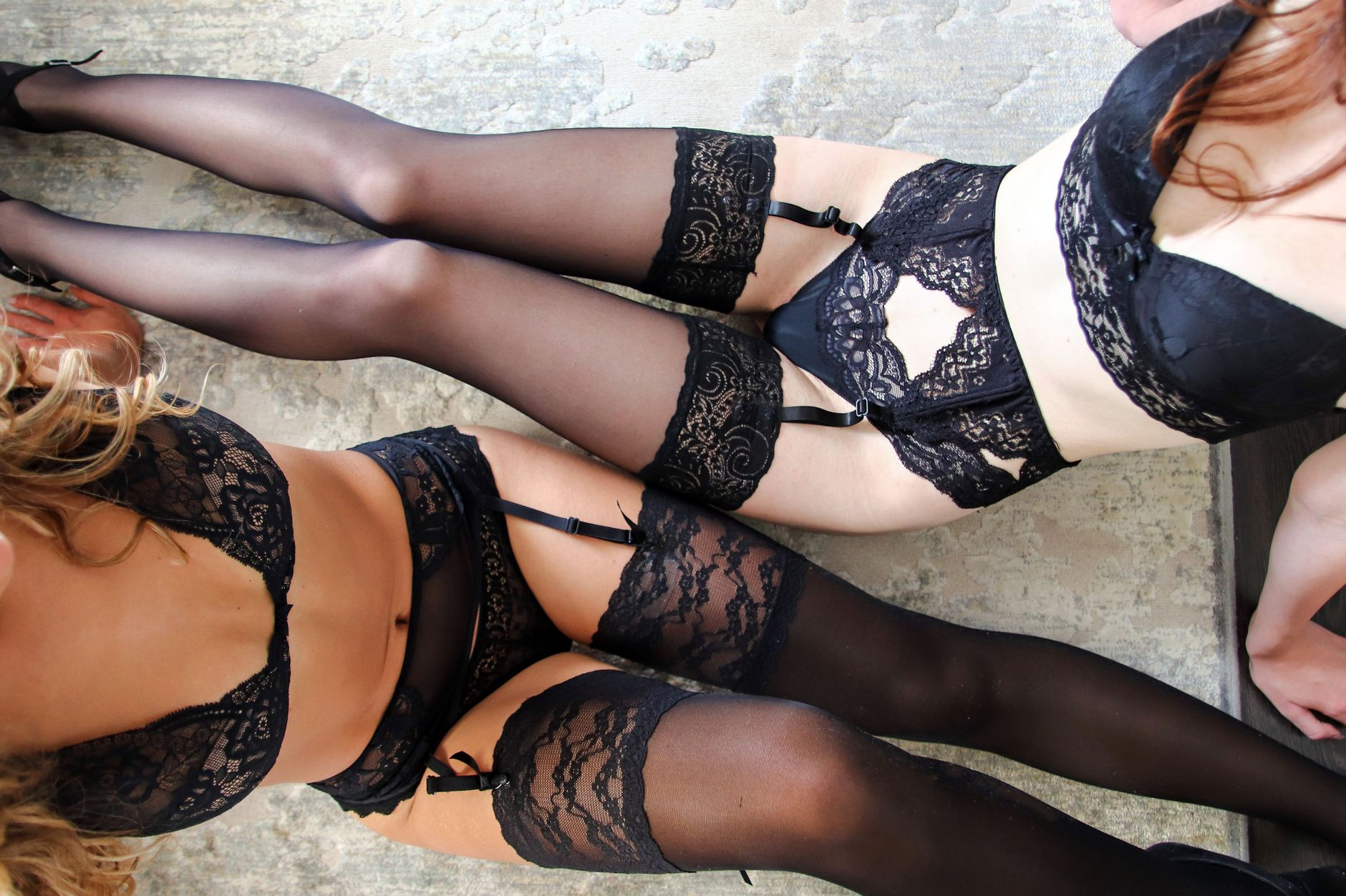
From Private to Public: Lingerie as Fashion
Bralettes and lace bodysuits now pair with blazers for office-appropriate looks; visible straps and sheer overlays are intentional style choices. Celebrities wearing lingerie-inspired pieces to red carpets—Rihanna, Zendaya, Dua Lipa—shifted mainstream acceptance. Social media normalized #OOTD posts featuring lingerie as fashion. Retailers report 40% growth in "visible lingerie" categories. The line between intimate apparel and ready-to-wear has blurred; consumers buy pieces for both bedroom and street. Designers respond with dual-purpose construction: supportive enough for all-day wear (Skims Fits Everybody bralette $48), stylish enough to show.
Body Inclusivity and Sizing Expansion
Brands now offer 30+ bra sizes—ThirdLove, Cuup, and Fenty offer band sizes 28–48 and cups A–O. Extended color ranges beyond "nude-for-some": Naja's 7 nude shades, Fenty's 50 foundation shades inspired lingerie palettes. Virtual fit tools (ThirdLove's Fit Finder, Cuup's quiz) use AI to recommend sizes from photos or measurements. Bralettes and wireless options (Savage x Fenty, Aerie) accommodate more body types than traditional underwire. The "nude" palette has expanded to multiple skin tones; representation in advertising has improved, though gaps remain.
Technology and Customization
Virtual fit tools and AR try-on reduce returns; ThirdLove and Cuup offer 30-day returns. 3D printing enables bespoke items for niche body types—particularly for post-mastectomy or hard-to-fit customers. Subscription models: Adore Me ($39.95/month for 1 lingerie set), Savage x Fenty VIP ($49.95/month) offer monthly new styles and personalized picks. Secondhand marketplaces (Depop, Poshmark, ThredUp) address sustainability; sanitization and quality standards vary. Smart fabrics with moisture-wicking (Athletic Propulsion Labs) and temperature regulation are emerging in athletic-inspired intimates.
Sustainability and Ethical Production
Recycled nylon (Econyl) and polyester reduce virgin plastic use; Naja uses recycled materials. Organic cotton (GOTS certified) and Tencel offer natural alternatives. Traceability initiatives—mapping supply chains from farm to factory—address labor concerns. Brands face pressure to disclose factory conditions; look for B Corp certification (Knickey). Greenwashing is a risk; third-party certifications (GOTS, OEKO-TEX) provide verification. Care instructions matter: cold wash, air dry extends garment life. Minimal packaging and recyclable materials are becoming standard.
Shopping Tips and Fit Guide
Get professionally fitted annually at Nordstrom, Soma, or specialty boutiques; body changes affect size. Measure band under bust, then fullest part of bust; many calculators overestimate cup. Try multiple sizes when ordering online—ThirdLove, Cuup, and Savage x Fenty offer free returns. For sheer pieces, consider nipple covers (Nippies, $24) or adhesive bras for modesty. Layer mesh over a nude or black base for office-appropriate looks. Read reviews for fit notes: "runs small" or "stretches with wear" informs sizing.
Building a Versatile Lingerie Wardrobe
Invest in quality basics first: a well-fitting nude bra ($50–$80) and black brief ($25–$40) before expanding. Skims, ThirdLove, and Cuup offer solid basics. Consider care: hand wash and air dry extend life. Match pieces to occasion: everyday comfort (wireless bralette), special occasions (lace bodysuit), athletic (sports bra).
The Future of Lingerie in the United States
The evolution continues: smart fabrics, personalized fit, and sustainable production will shape the next decade. Transparency—both in sheer fabrics and supply chains—is here to stay. The U.S. market will see more niche brands, direct-to-consumer models, and inclusive sizing as standard. Brands that prioritize transparency in materials, labor, and sizing deserve support as the industry continues to transform. The evolution of lingerie—from private necessity to public fashion—is complete. Find what makes you feel confident; the future of intimate apparel is bright.
Key Brands and Price Points
Skims: $28–$68 for basics; Savage x Fenty: $25–$75; ThirdLove: $48–$68; Cuup: $68–$88; Naja: $32–$58. Aerie offers accessible sizing at $20–$50. Luxury brands (Agent Provocateur, La Perla) run $100–$400+. The skills you learn—fit, care, occasion matching—serve you in building a wardrobe that works. Consumers increasingly factor sustainability into purchase decisions. Minimal packaging and recyclable materials are becoming standard across the industry. How transparency is transforming fashion in the United States extends beyond fabric; it is about visibility, inclusion, and choice. The evolution of lingerie reflects broader cultural shifts toward body positivity and self-expression. Brands that prioritize transparency in materials, labor, and sizing deserve support. The evolution of lingerie and how transparency is transforming fashion in the United States reflects broader cultural shifts. Find what makes you feel confident. The future of intimate apparel is bright—and transparent. Match pieces to occasion: everyday comfort, special occasions, athletic. Consider care: hand wash and air dry extend life. The U.S. lingerie market will see more niche brands and inclusive sizing as standard.