

The Clean Revolution: How Office Cleaning is Transforming Workspaces in 2026
Post-pandemic, office cleaning standards have elevated dramatically. Disinfection protocols, air quality monitoring, and touchless fixtures are now baseline expectations. Green cleaning products reduce chemical exposure and meet LEED and WELL building criteria. Cleaning robots (Tennant T7AMR, iRobot Braava) handle floors overnight; human staff focus on high-touch surfaces, restrooms, and shared amenities. Flexible and hybrid schedules demand after-hours and weekend cleaning. IoT sensors (SmartSense, Tork) track restroom cleanliness and trigger restocking. Facility managers and cleaning contractors must balance cost, compliance, and occupant expectations. Per-square-foot pricing: $0.05–$0.15 for daily service; $0.02–$0.05 for 3x/week. This guide covers technology trends, contract considerations, and how the clean revolution is reshaping workspaces.
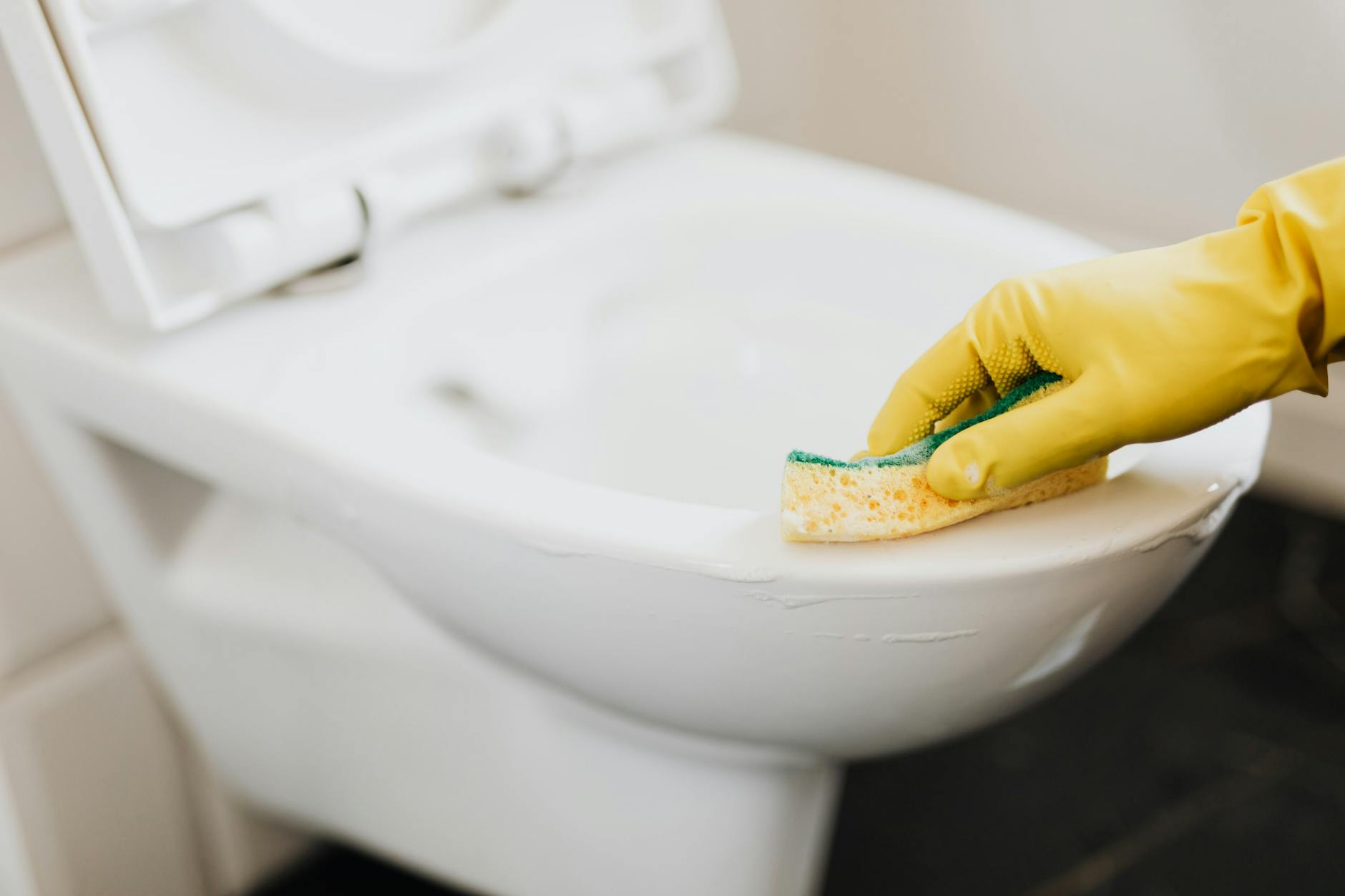
Technology and Efficiency
IoT sensors in restrooms monitor soap, paper, and hand towel levels; alerts reduce runouts. UV-C disinfection devices (Xenex, PurpleSun—$5,000–$15,000 per unit) supplement traditional cleaning for high-risk areas. Automated scheduling optimizes staff based on occupancy data from badge systems or sensors. Touchless fixtures—Sloan faucets, GOJO soap dispensers, Dyson hand dryers—reduce pathogen transmission. Antimicrobial surfaces (CuVerro copper, Microban) on door handles inhibit bacterial growth. Floor-cleaning robots operate overnight; human staff focus on detail work. Software platforms (ServiceChannel, Corrigo) manage work orders, inspections, and vendor performance.
Green Cleaning and Sustainability
Green cleaning products use fewer harsh chemicals; certifications include Green Seal, EPA Safer Choice, and ECOLOGO. Brands: Seventh Generation, Method, Clorox Green Works. Microfiber cloths and mops reduce chemical use and improve particulate capture. Concentrated products (Diversey, Ecolab) reduce packaging and shipping. LEED and WELL certifications often require green cleaning protocols. Contractors who specialize in green cleaning can command premium rates. Training staff on proper dilution and application prevents overuse.
Contract Considerations
Per-square-foot pricing varies by frequency (daily, 3x/week, weekly), scope (standard vs. deep cleaning), and building type. Day porter vs. night cleaning affects cost—day porters handle high-traffic areas; night crews do full cleans. Verify insurance (general liability $1M+, workers' comp) and bonding for commercial contracts. Performance-based contracts tie payment to cleanliness scores from inspections or occupant surveys. Scope creep—additional requests outside the contract—should be documented and billed. Request references and visit similar facilities. Transition periods when switching contractors require overlap and clear handoff.
Staffing and Labor Challenges
Labor shortages affect the cleaning industry; competitive wages ($15–$22/hour for commercial cleaners) and benefits improve retention. Training on new technologies and protocols is essential. Flexible scheduling accommodates hybrid office patterns—cleaning may shift to evenings and weekends. Outsourced vs. in-house: outsourcing provides flexibility and specialized expertise (ABM, Cushman & Wakefield, regional firms); in-house offers more control. Verify background checks and compliance with labor laws.
Health and Compliance Standards
Post-pandemic protocols include enhanced disinfection of high-touch surfaces (desks, door handles, elevator buttons), improved ventilation documentation, and occupant communication about cleaning frequency. OSHA and CDC guidelines inform commercial cleaning standards. Healthcare and food service facilities have additional requirements—EPA-registered disinfectants (Lysol, Clorox Healthcare), color-coded equipment, and specialized training. Facility managers who invest in meeting and exceeding these standards differentiate their properties and support tenant retention.
Day Porter vs. Night Cleaning: Choosing the Right Model
Day porters (also called day custodians) handle high-traffic areas during business hours—lobby restrooms, break rooms, common areas. They spot-clean, restock supplies, and respond to spills. Cost: $18–$25/hour per porter. Night cleaning crews perform full building cleans—vacuuming, mopping, trash removal, sanitizing—when occupancy is low. Cost: $0.05–$0.12 per square foot depending on frequency. Hybrid models use day porters for critical areas and night crews for comprehensive cleaning. Buildings with high daytime traffic may need both; low-traffic offices may get by with 3x/week night cleaning.
Request a walk-through and scope document before signing. Clarify what's included: restroom supplies, floor care (strip and wax frequency), window cleaning, and specialty services. Define what triggers additional charges—extra trash, event cleanup, emergency response. Document inspection frequency and scoring criteria. A well-structured contract prevents disputes and ensures consistent expectations.
Future of Office Cleaning
The clean revolution will continue to evolve with more sophisticated robotics, real-time occupancy-based cleaning, and integration with building management systems. Sustainability standards will tighten; green cleaning will become the norm rather than an option. Facility managers who invest in new technologies, training staff, and partnering with contractors who share these standards differentiate their properties. Tenants and employees notice the difference; retention and satisfaction improve when spaces feel cared for. Office cleaning is no longer a cost to minimize but an investment in occupant health, productivity, and satisfaction.
Cleaning frequency recommendations: high-traffic lobbies and restrooms—daily or multiple times daily. General office areas—daily for premium buildings, 3–5x/week for standard. Break rooms and kitchens—daily. Carpets—vacuum daily; deep clean quarterly. Windows—quarterly or semi-annually. Adjust based on occupancy data; hybrid work may allow reduced frequency on low-occupancy days.
Request for proposal (RFP) tips: provide square footage, building type, occupancy, and desired frequency. Ask for itemized pricing and references. Specify green cleaning requirements if pursuing LEED or WELL. Include inspection and scoring criteria. Allow 2–4 weeks for vendors to respond. Schedule site visits with finalists. The clean revolution demands contracts that reflect elevated standards and accountability.