

The Art Of Orthodontics Achieving Lasting Smiles With Braces
Traditional braces remain the gold standard for comprehensive orthodontic treatment—correcting crowding, spacing, bite issues, and complex tooth movements that clear aligners cannot reliably achieve. Modern braces use smaller brackets, improved wires, and options like ceramic or lingual (behind-the-teeth) systems for reduced visibility. Treatment typically runs 18–36 months depending on case complexity. Success depends on patient cooperation (avoiding damaging foods, maintaining hygiene) and the orthodontist's skill in planning and executing tooth movement. Retention—wearing retainers after treatment—is essential to prevent relapse. Braces have been used for over a century and continue to deliver predictable, lasting results for patients of all ages. This guide covers how braces work, what to expect, and how to achieve lasting results.
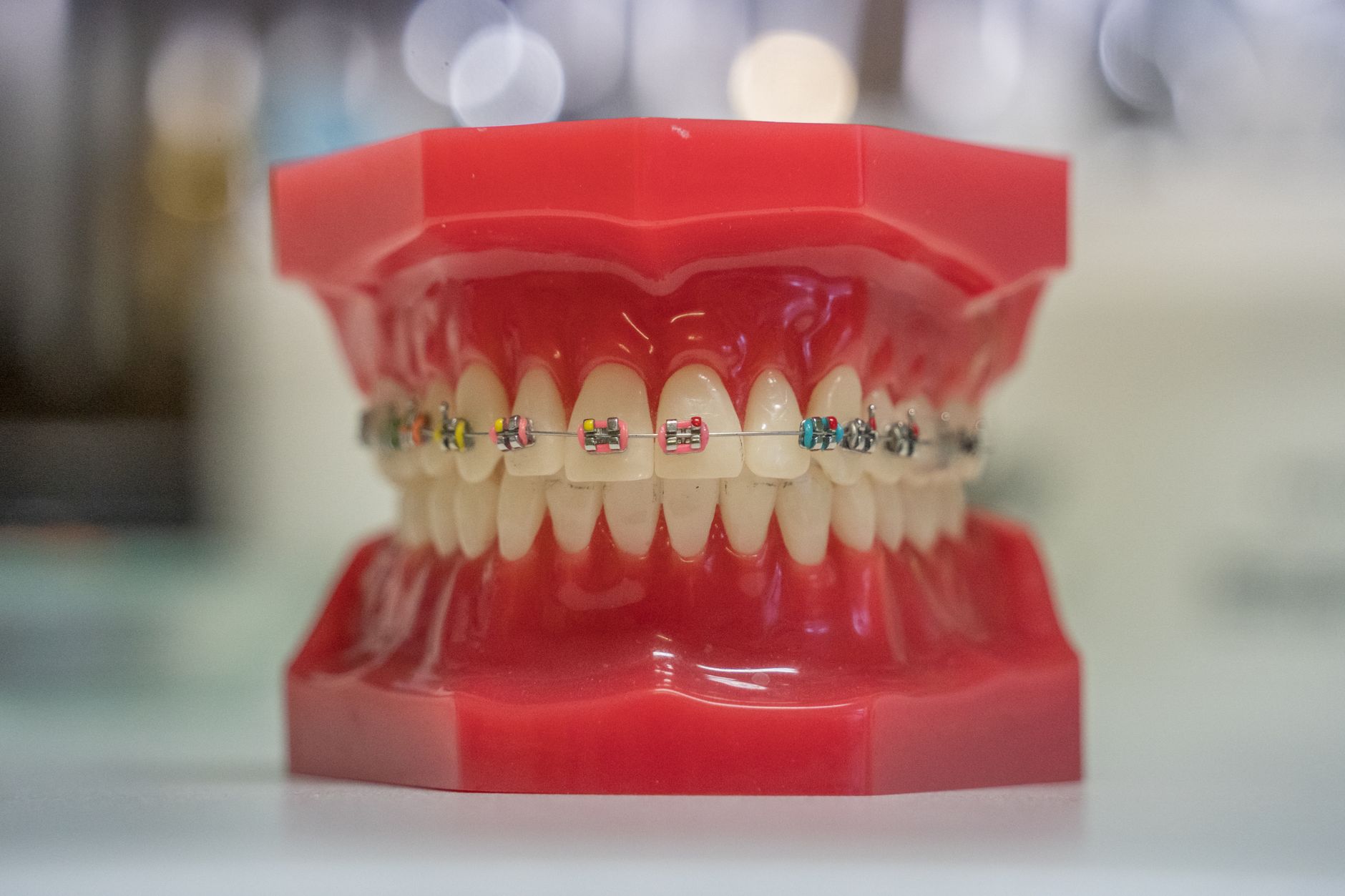
How Braces Work
Brackets are bonded to each tooth; archwires connect them and apply gentle, continuous force. The orthodontist adjusts wires periodically (every 4–8 weeks) to guide teeth into position. Elastic bands may be used to correct bite relationships. Bone remodels in response to pressure—teeth move gradually. Treatment planning involves X-rays, impressions or scans, and a detailed plan. Extraction of teeth may be needed for severe crowding. Expanders can widen the palate in growing patients. Each case is unique; your orthodontist tailors the approach.
Types of Braces
Metal braces: most common, durable, and cost-effective. Ceramic braces: tooth-colored or clear, less visible but can stain. Lingual braces: attached behind teeth, invisible from the front; more expensive and may affect speech initially. Self-ligating braces: use clips instead of elastics, may reduce friction and treatment time. Discuss options with your orthodontist; not all types suit all cases.
Life with Braces
Avoid sticky, hard, and crunchy foods (caramel, popcorn, ice) that can damage brackets. Cut food into small pieces. Brush and floss diligently—braces trap food and increase cavity risk; water flossers and interdental brushes help. Wax can relieve bracket irritation. Expect some discomfort after adjustments—over-the-counter pain relievers help. Mouthguards protect braces during sports. Attend all appointments; missed adjustments prolong treatment. Report broken brackets or wires promptly.
Retention and Long-Term Success
Teeth naturally shift throughout life; retainers prevent relapse. Removable retainers (Hawley or clear) are worn nightly—often indefinitely. Fixed retainers (wire bonded behind front teeth) provide 24/7 retention. Compliance is critical: skipping retainers can undo months of progress within weeks. Your orthodontist will specify a retention protocol. Regular dental checkups and cleanings remain important. With proper care and retention, brace results can last a lifetime.
Cost and Insurance
Braces typically cost $3,000–7,000 for comprehensive treatment; ceramic and lingual options add 20–40%. Many dental insurance plans cover orthodontics—often $1,500–2,000 lifetime for children and adults. FSA and HSA funds can be used. Payment plans through the orthodontist or CareCredit spread costs over the treatment period. Some orthodontists offer in-house financing with 0% interest. Compare total cost across providers; the lowest price may reflect less experience or fewer included visits. Ask what's included: retainers, emergency visits, and retention checkups.
Emergency Situations with Braces
Broken brackets, loose bands, or poking wires can cause discomfort. Use orthodontic wax to cover sharp edges until you can see your orthodontist. If a bracket comes off, save it and call the office. Avoid hard or sticky foods that cause breakage. For severe pain, swelling, or trauma to the mouth, seek urgent care. Most orthodontists have emergency protocols; know how to reach them outside regular hours. Prompt attention prevents small issues from becoming big problems. Keep a small kit with wax, floss threaders, and your orthodontist's contact info.
What to Expect at Each Visit
Braces require adjustments every 4–8 weeks. The orthodontist will change wires, add or remove elastics, and check progress. Each visit typically lasts 15–30 minutes. Bring up any concerns: discomfort, broken appliances, or questions about treatment. Progress photos may be taken periodically. Treatment length depends on case complexity and compliance. Missing appointments can extend treatment time. Plan your schedule around these regular visits. The orthodontist-student relationship lasts 2–3 years; choose someone you trust and can communicate with easily.
Adult-Specific Considerations
Adult orthodontics may require interdisciplinary care: periodontist for gum health, dentist for restorations, or oral surgeon for extractions. Bone density and healing can differ from teens. Some adults have existing dental work—crowns, bridges, implants—that affect treatment planning. Speech and professional image during treatment matter more for adults. Clear aligners or ceramic braces may be preferred for aesthetics. Discuss your concerns openly; orthodontists are accustomed to adult patients and can tailor treatment accordingly.
When to Consider Braces Over Aligners
Braces are recommended when: teeth need significant rotation, vertical movement, or complex bite correction. Aligners have limitations with certain movements. If your orthodontist recommends braces after evaluating your case, trust their judgment—they've seen thousands of patients and know what works. Pushing for aligners when braces are indicated can lead to prolonged treatment, refinements, or suboptimal results. The goal is the best outcome, not necessarily the most invisible option. Schedule consultations with 2–3 providers to compare recommendations and build confidence in your treatment plan before committing. Your orthodontist will tailor the approach to your specific anatomy and goals.