

Solving Muscle Inactivity: Effective Strategies For Gluteal Health
Gluteal weakness—often from prolonged sitting—contributes to lower back pain, hip issues, knee instability, and poor posture. The gluteus maximus, medius, and minimus stabilize the pelvis and power walking, climbing, squatting, and running. Inactivity leads to "gluteal amnesia": the muscles become underactive while hip flexors and lower back overcompensate, creating imbalance and pain. Targeted strengthening and activation exercises can restore balance, reduce pain, and improve performance. This affects desk workers, athletes, and anyone who sits 6+ hours daily. Glute strength and activation respond well to consistent exercise—noticeable improvement within 4–6 weeks.
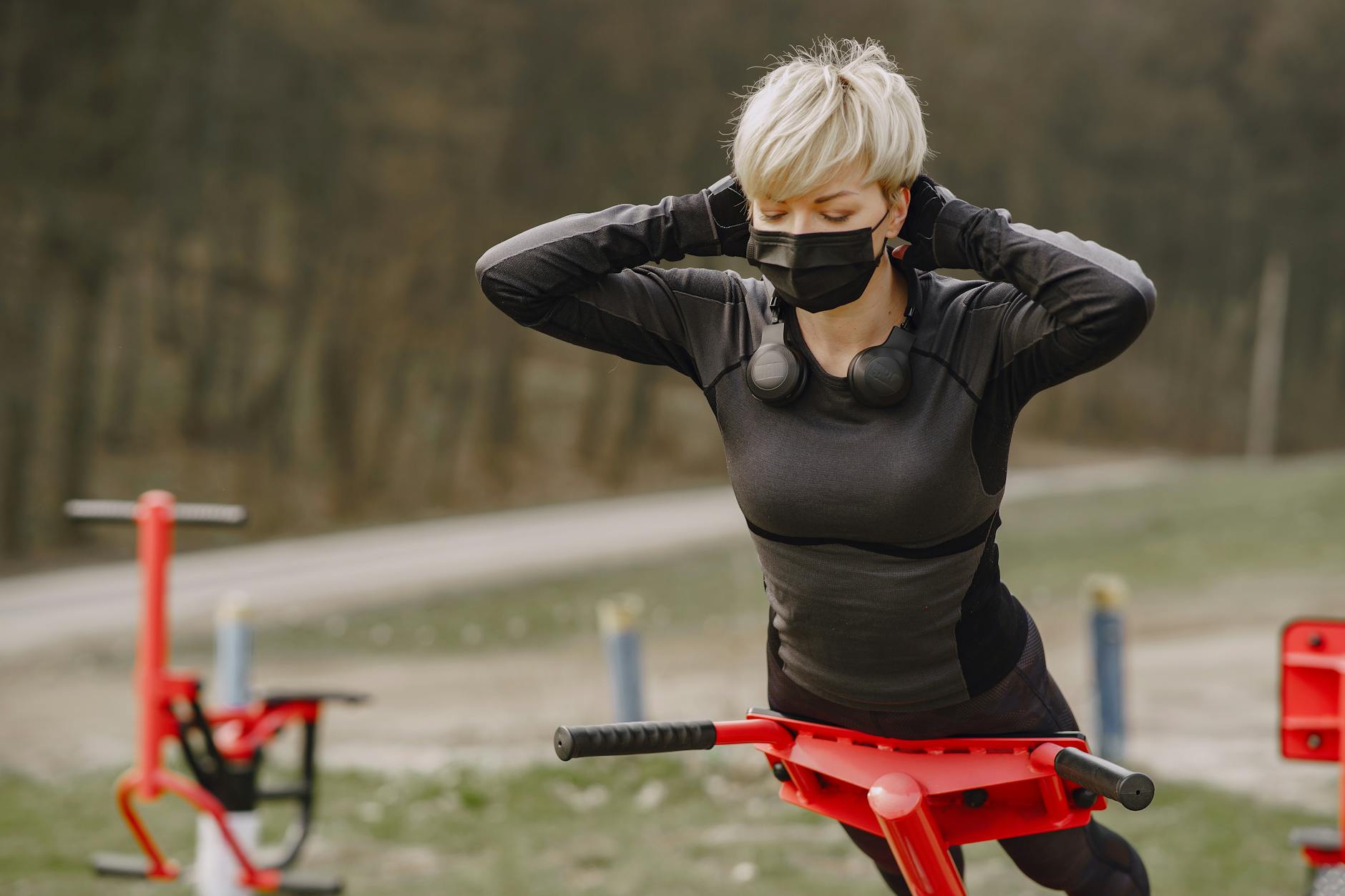
Activation and Strengthening Exercises
Glute bridges, clamshells, and fire hydrants target the glutes with minimal equipment. Hip thrusts and single-leg deadlifts add load for progressive overload. Banded walks (lateral and monster walks) activate the gluteus medius for hip stability—critical for preventing knee valgus and IT band issues. Resistance bands ($15–30 for a set from Theraband or Rogue) are sufficient to start. Focus on mind-muscle connection—squeeze the glutes at the top of each rep. Single-leg work (single-leg RDL, Bulgarian split squat) addresses imbalances. Aim for 2–3 sets of 10–15 reps, 2–3 times per week. Quality matters more than weight.
Why Glutes Matter for Overall Health
The glutes are the largest muscle group; they generate power for locomotion and absorb force during impact. Weak glutes shift load to the lower back, hips, and knees—leading to chronic pain and injury. Strong glutes improve posture, reduce fall risk in older adults, and enhance athletic performance. Desk workers are especially prone; the seated position shortens hip flexors and inhibits glute activation. Addressing this imbalance pays dividends across daily activities.
Integrating Into Daily Routine
Break up sitting with standing or walking every 30–60 minutes—set a timer or use a standing desk. Add glute activation before lower-body workouts: 2 sets of 10 glute bridges and 10 banded lateral walks before squats or deadlifts. Stretch hip flexors (kneeling hip flexor stretch, 60 seconds each side) to reduce anterior pelvic tilt. If pain persists after 4–6 weeks, see a physical therapist ($100–150/session); glute weakness can stem from nerve issues or movement compensations. Consistency matters more than intensity; 10–15 minutes daily yields improvement.
Sample Glute Routine and When to See a Professional
Warm-up: 2 sets of 10 glute bridges, 10 banded lateral walks each direction. Main: 3 sets of 10–12 hip thrusts, 3 sets of 10 clamshells each side, 3 sets of 10 single-leg RDL each leg. Cool-down: 60 seconds kneeling hip flexor stretch each side. Perform 2–3 times per week. Progress by adding weight (dumbbell on hip for thrusts) or resistance bands. If exercises don't improve symptoms after 4–6 weeks, or pain worsens, see a PT or sports medicine provider. Persistent pain may indicate nerve compression, hip impingement, or other issues requiring diagnosis.
Equipment and Progression Tips
Minimal equipment needed: resistance bands ($15–30), optional dumbbell or kettlebell for hip thrusts ($20–50). Loop bands (light, medium, heavy) allow progression. For hip thrusts, use a bench or couch; a dumbbell or barbell adds load. Focus on squeezing the glutes at the top—avoid arching the lower back excessively. If you feel it in your hamstrings or lower back, reduce range or add a band above the knees to engage the glutes more. Single-leg work exposes imbalances; start with support (hand on wall) if needed. Consistency over 4–6 weeks typically yields noticeable improvement in posture, comfort during sitting, and reduced lower back strain. Pair with hip flexor stretching (2–3 min daily) for best results.
Common Mistakes and Form Cues
Glute bridges: drive through heels, squeeze glutes at top, don't over-arch lower back. Clamshells: keep feet together, rotate from hip, don't let pelvis rock. Hip thrusts: chin tucked, drive through heels, full squeeze at top. Banded walks: stay low, step wide enough to maintain tension. Single-leg RDL: hinge at hip, keep back flat, slight knee bend. Using too much weight too soon leads to compensation—start light, master the movement, then add load. A physical therapist can assess your form and identify compensations; one or two sessions ($100–150 each) can correct issues that would otherwise limit progress.
Gluteal weakness is a common but often overlooked contributor to chronic pain. Desk workers, drivers, and anyone who sits for long periods are at risk. The good news is that the glutes respond well to targeted exercise. Within 4–6 weeks of consistent training, most people notice improvement in posture, reduced lower back discomfort, and better ability to perform daily activities. The key is consistency and proper form—quality over quantity. Start with the exercises you can do well, progress gradually, and seek professional help if pain persists or worsens.
Integrating glute work into an existing routine is straightforward. Add 5–10 minutes of activation (bridges, banded walks) before lower-body strength training or cardio. If you don't have a formal workout routine, a standalone 15-minute glute session 2–3 times per week can yield results. Pair with hip flexor stretching—the kneeling hip flexor stretch held for 60–90 seconds per side—to address the tightness that often accompanies glute weakness. Over time, you may notice improved performance in activities like walking, climbing stairs, and standing from a chair. The glutes are meant to be primary movers; restoring their function improves overall movement quality and reduces compensatory strain elsewhere.