

Shade On Demand Retractable Patio Awnings With A Touch Of A Button
Motorized patio awnings extend and retract with a remote, wall switch, or smartphone app. Sun and wind sensors can automate deployment—extending when UV exceeds a threshold, retracting when winds exceed 15–25 mph. Fabric and frame options suit durability and style preferences. Prices range from $1,500 to $5,000+ depending on size, motor type, and features. Professional installation is recommended. This guide covers features, installation, and how to choose the right retractable awning.
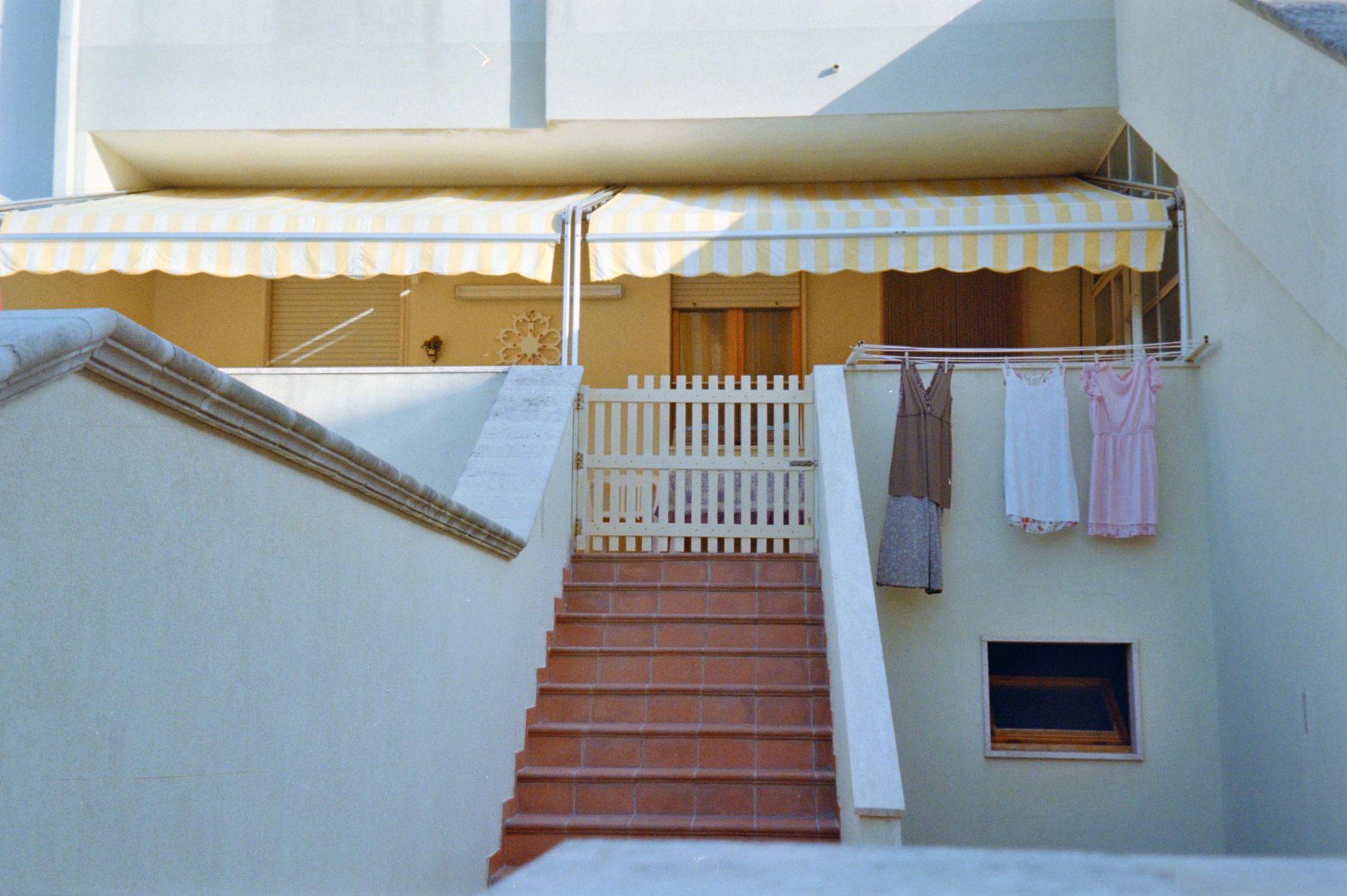
How Motorized Awnings Work
Motorized patio awnings use an electric motor (typically 24V or 110V) to extend and retract the fabric via a roller tube. The motor is housed in the cassette or at the end of the roller. Control options: handheld remote (RF or infrared), wall switch, or smartphone app via Wi-Fi or Bluetooth. Sun sensors detect UV or heat and automatically extend the awning when thresholds are exceeded. Wind sensors (anemometers) retract the fabric when wind speed exceeds 15–25 mph to prevent damage. Manual override ensures operation if sensors fail. LED lights integrated into the cassette or valance extend evening use—many models include dimmable options.
Features and Control Options
Remote control is standard; wall switches enable indoor control. Smart home integration: Alexa, Google Home, Apple HomeKit—Sunsetter, Somfy, and Awning Solutions offer compatible models. Sun sensors extend the awning when UV or heat exceeds a threshold; wind sensors retract to protect fabric (typically 15–25 mph). Manual override ensures operation if sensors fail. LED lights integrated into the cassette or valance extend evening use. Fabric options: acrylic (Sunbrella $40–60/yard—colorfast, durable), polyester (economical), solution-dyed acrylic (best fade resistance). Frame materials: aluminum (lightweight, rust-resistant) or powder-coated steel.
Sizing and Projection
Measure the area you want to shade. Awnings typically project 8–13 feet; width options 8–25+ feet. Consider roof overhang, windows, and furniture placement. Too small and you won't get adequate shade; too large and wind load increases. Sunsetter and Sunbrella offer online configurators. Retractable models store fabric in a cassette when not in use—protecting from weather and extending life to 10–15 years with proper care.
Installation and Cost
Professional installation recommended: mounting requires secure attachment to fascia, brick, or siding. Electrical connection for the motor must meet code. DIY kits exist but mistakes can void warranties. Installation: $300–$800 typically. Total project: $1,500–$5,000+ for mid-size awning (e.g., 13' x 10') with motor and sensors. Higher-end (Sunbrella fabric, smart features): $6,000–$10,000. Brands: Sunsetter ($1,500–4,000), Somfy ($2,000–5,000), Sunbrella ($3,000–8,000). Get multiple quotes; verify installer licensing and insurance.
Maintenance and Care
Retract during high winds and heavy rain unless you have a wind sensor. Clean fabric annually with mild soap and water; avoid harsh chemicals. Inspect hardware and mounting points yearly. Lubricate pivot points per manufacturer instructions. Store retracted when not in use for extended periods. Proper care extends fabric life to 10–15 years. Warranties: 5 years on fabric and frame common; motors may have 2–5 year coverage.
Choosing the Right Awning
Consider climate: sun and wind sensors valuable in variable weather. Budget: manual crank models ($800–2,000) cost less but sacrifice convenience. Aesthetics: fabric color and pattern should complement your home. Brand reputation: Sunbrella, Sunsetter, Somfy, regional manufacturers. Read reviews for motor reliability and customer service. Fabric warranties: 5–15 years fade resistance. Professional installation often includes labor warranty.
Warranty and Support
Fabric warranties range from 5 to 15 years; frame and motor warranties vary. Understand what is covered: fade resistance, mildew, motor failure. Professional installation often includes a labor warranty. Keep receipts and registration documents. Shade on demand transforms how you use your outdoor space. Instead of avoiding the patio during midday sun, extend the awning and enjoy. Retractable patio awnings with a touch of a button offer convenience that manual models cannot match. The investment typically pays off in extended outdoor living hours and protection for furniture and flooring from UV damage. Use your awning regularly—extended fabric lasts longer when exercised. Retract during storms and high winds. Consider adding outdoor furniture that complements the awning shade. The convenience of motorized operation makes it more likely you will actually use the shade, extending the hours you can enjoy your outdoor space. Shade on demand with retractable patio awnings—a touch of a button transforms outdoor living. Protection when needed, a more usable space year-round. Invest in quality for lasting enjoyment. Your outdoor space becomes usable whenever you want it.
Cassette vs. Open Style
Cassette awnings enclose the fabric in a housing when retracted—protecting from rain, debris, and UV when not in use. Open-style awnings leave the fabric exposed when retracted; they cost less but may degrade faster. Cassette models are recommended for longevity. Awning arms can be lateral (extend straight out) or drop (angled down for more shade). Drop arms provide better shade coverage for patios directly below. Consult manufacturer sizing guides; many offer online configurators. Measure twice before ordering—width is fixed; projection can sometimes be adjusted. Professional installers can assess your mounting surface (fascia, brick, siding) and recommend the best attachment method.