

Remote Management Devices Transforming Operations In The Digital Era
Remote management devices—from IoT gateways and industrial controllers to fleet trackers and smart building sensors—let organizations monitor and control equipment without being on-site. These systems use cellular (4G/5G), satellite, or Wi-Fi to send telemetry, receive commands, and trigger alerts. Industries like manufacturing, agriculture, energy, and logistics rely on them for predictive maintenance, asset tracking, and automated responses. Platforms include AWS IoT Core, Azure IoT Hub, Siemens MindSphere, and PTC ThingWorx. The shift to remote operations accelerated during the pandemic; labor costs and connectivity improvements continue to drive adoption. A single avoided downtime event can pay for the entire system.
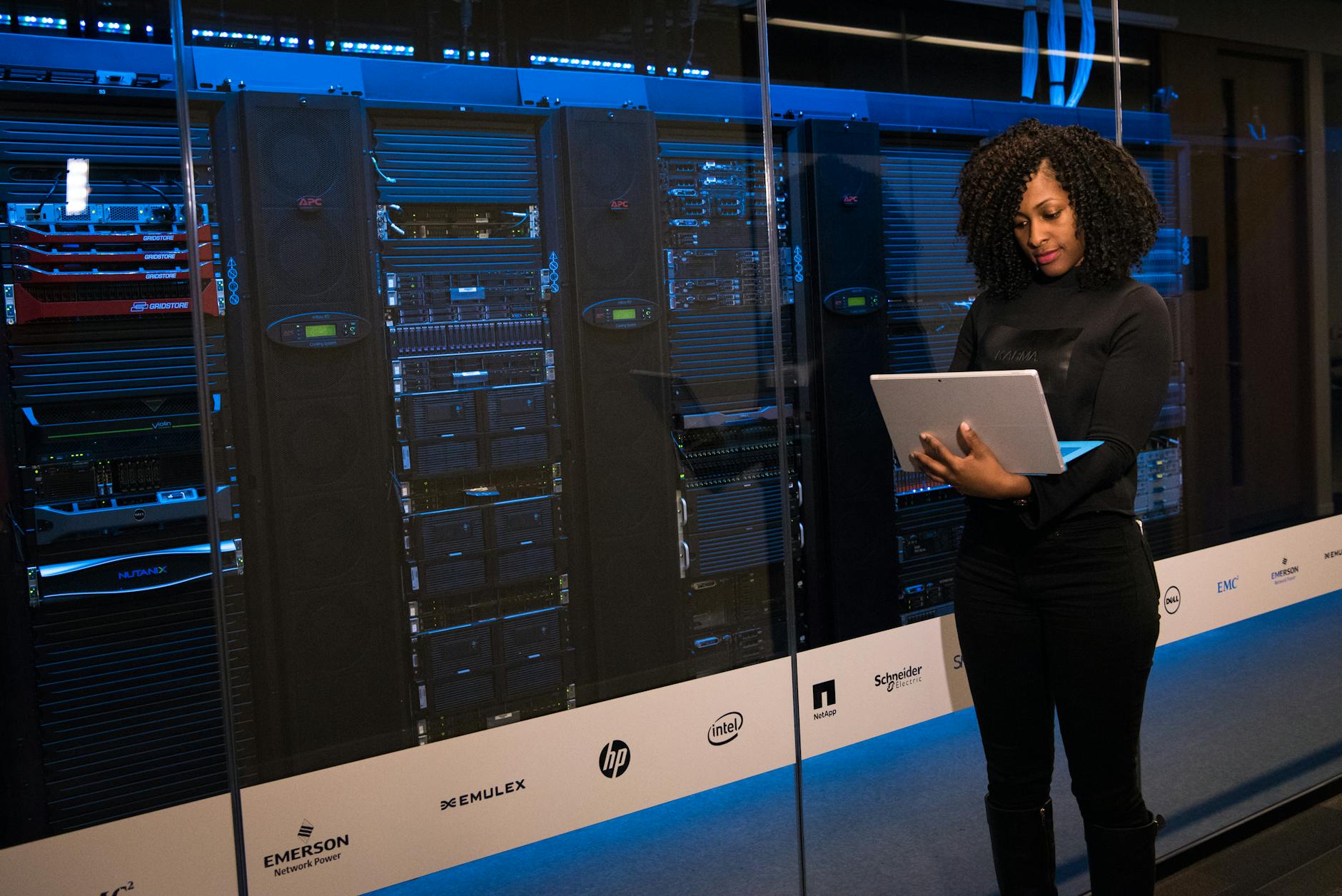
How Remote Management Works in Practice
A typical setup: edge devices (sensors, PLCs, gateways) collect data; connectivity layer (4G/5G, LoRaWAN, satellite) transmits it; cloud or on-prem platform (AWS IoT, Azure IoT Hub, vendor solutions) aggregates, analyzes, and sends commands. Use cases: factory monitors machine vibration to predict bearing failure; farm tracks soil moisture and triggers irrigation; utility reads smart meters and manages grid load. Security is critical—devices must be authenticated, encrypted, and patched. Protocols: MQTT, CoAP, Modbus over TCP.
Connectivity and Implementation
Cellular: mobility, broad coverage, $5–20/month per device. LoRaWAN: low-power, long-range for sensors. Satellite: remote sites without terrestrial coverage. Wi-Fi: indoor, cost-effective. Choose based on data volume, latency, power constraints, geography. Deployment requires choosing connectivity, protocols, and integration with ERP or CMMS. Total cost: hardware ($50–500/device), connectivity, platform licensing ($0.50–5/device/month). Start with a pilot on a high-value asset; measure ROI then scale.
Use Cases and Security
Manufacturing: predictive maintenance, quality monitoring, energy management. Agriculture: irrigation control, livestock tracking. Energy: grid management, renewable asset monitoring. Logistics: fleet tracking (Samsara, Verizon Connect), cold chain, warehouse automation. Buildings: HVAC, lighting, access control. Security: use strong authentication, encrypt data in transit and at rest, apply patches promptly. Segment IoT networks from critical systems. Compliance (GDPR, industry regulations) applies to collected data.
Vendor Options and Pricing
Cloud platforms: AWS IoT Core ($0.08–5/device/month depending on messages), Azure IoT Hub (similar), Google Cloud IoT. Vendor-specific: Siemens MindSphere, PTC ThingWorx, GE Predix—typically enterprise pricing. Hardware: cellular gateways $100–400 (Digi, Sierra Wireless); sensors $20–200 depending on type. Connectivity: cellular $5–20/device/month; LoRaWAN can be lower for high volume. Implementation: DIY with cloud platforms for smaller deployments; system integrators for complex projects ($50–150/hour). Pilot on 10–50 devices to validate ROI before scaling. A typical mid-size deployment (100 devices, cloud platform, cellular) might run $15,000–40,000 first year including hardware, connectivity, and setup.
ROI and Implementation Steps
ROI comes from reduced site visits (save $100–300 per avoided trip), faster response to issues, and preventive maintenance that avoids costly failures. A single avoided downtime event in manufacturing can cost $10,000–100,000+—one prevented incident can pay for the system. Implementation steps: define use case and success metrics; select connectivity and platform; pilot on high-value assets; measure downtime avoided, labor saved, efficiency gains; scale to additional assets. Ensure vendors support secure over-the-air updates and long-term availability. Data governance and compliance apply; plan for data residency requirements. Organizations that adopt remote management gain efficiency; those that delay may fall behind as labor costs rise and connectivity improves.
The shift from reactive to proactive operations is underway across industries. Instead of waiting for equipment to fail, organizations use sensors and analytics to predict failures before they occur. This reduces unplanned downtime, extends asset life, and optimizes maintenance schedules. The technology has matured—cellular connectivity is reliable, cloud platforms are scalable, and costs have come down. Mid-size operations that previously couldn't justify remote management can now deploy pilot projects with modest investment. The ROI case is compelling for most industrial and commercial operations; the question is not whether to adopt, but how quickly to deploy.
Choosing a platform depends on your use case, scale, and existing systems. AWS IoT and Azure IoT suit organizations already in those clouds; they offer flexibility and integration with other cloud services. Vendor-specific platforms (Siemens MindSphere, PTC ThingWorx) provide industry-focused solutions with pre-built integrations. Consider data volume (how many messages per device per day), latency requirements (real-time vs. batch), and integration needs (ERP, CMMS, analytics). Start with a pilot—10–50 devices on a high-value asset—to validate the approach before scaling. Ensure the vendor supports secure OTA updates and has a roadmap for long-term support. Remote management is becoming standard; early adopters gain competitive advantage.
The future of remote operations includes 5G for lower latency and higher bandwidth, edge computing for real-time processing at the device, and AI-driven anomaly detection for predictive maintenance. As connectivity improves and costs decline, remote management will expand to more assets and use cases. Organizations that build capability now will be better positioned as the technology matures. The digital transformation of industrial and commercial operations is underway; remote management devices are a foundational element. Whether you're in manufacturing, agriculture, energy, logistics, or buildings, the opportunity to reduce costs, improve uptime, and make data-driven decisions is real. The question is execution—start small, measure results, and scale with confidence.
Security cannot be an afterthought. IoT devices have been targets of major breaches; default passwords and unpatched firmware are common vulnerabilities. Use strong authentication (certificates, not passwords), encrypt data in transit (TLS) and at rest, and segment IoT networks from critical business systems. Apply security patches promptly; choose vendors that support secure over-the-air updates. Assume devices will be targeted; design defense in depth. Compliance requirements (GDPR, HIPAA, industry-specific) may apply to the data you collect. Address security and compliance from the start—retrofitting is harder and riskier than building it in from the beginning.