

Rapid And Dependable Ac Repair For Continuous Comfort
When your air conditioning fails in peak heat, rapid and dependable repair is essential. Reliable AC repair starts with finding a qualified HVAC technician who offers same-day or next-day service, transparent pricing, and quality workmanship. Common issues include refrigerant leaks, compressor failure, capacitor problems, frozen coils, and thermostat malfunctions. Emergency repairs often carry premium rates; preventive maintenance reduces breakdowns and extends system life. Older systems (15+ years) may be better replaced than repaired when repair costs exceed half the replacement price. New units offer higher SEER ratings and lower energy bills. This guide covers how to find dependable AC repair, what to expect during service, and how to maintain your system for continuous comfort.
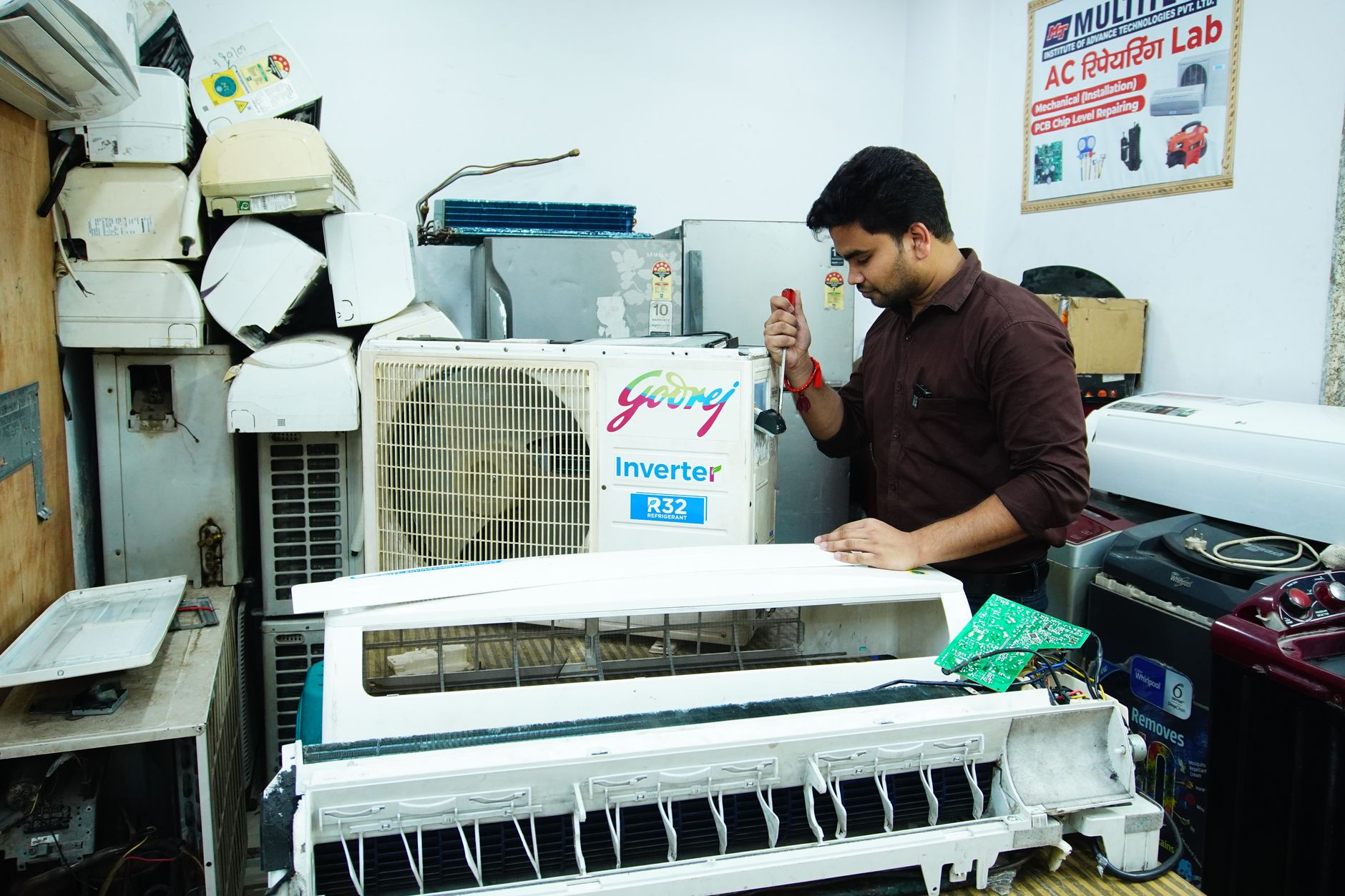
Finding a Dependable AC Repair Provider
Look for licensed, insured, and NATE-certified technicians. Check reviews on Google, Yelp, and BBB; consistent positive feedback matters. Ask about response times—same-day or next-day availability for emergencies. Get written estimates before work; reputable companies explain charges clearly. Avoid door-to-door solicitors or pressure tactics. Membership plans (annual tune-ups for a flat fee) can provide priority service and discounts. Ask about warranties on parts and labor. Local companies often offer more personalized service than national chains.
Common AC Problems and Fixes
Refrigerant leaks: system loses cooling capacity; technician locates leak, repairs it, and recharges refrigerant. Compressor failure: often the costliest repair; may warrant replacement vs. full system upgrade. Capacitor: weak or failed capacitor prevents compressor or fan from starting; relatively inexpensive fix. Frozen evaporator coil: usually caused by low refrigerant or airflow restriction; address underlying cause. Thermostat: batteries, wiring, or calibration issues; simple fix in many cases. Dirty filters and coils reduce efficiency; regular maintenance prevents many problems.
What to Expect During Repair
Technician should inspect the system, diagnose the issue, and explain options with costs. Ask questions; a good tech educates you. Get a written estimate before authorizing work. Repairs may take 1–3 hours; some require parts ordering and a follow-up visit. Emergency calls may incur trip fees and after-hours rates. Keep records of repairs; they inform future maintenance and replacement decisions. If the system is old (15+ years) and repair cost exceeds 50% of replacement, consider upgrading.
Preventive Maintenance
Annual tune-ups (spring, before cooling season) include: cleaning coils, checking refrigerant levels, inspecting electrical components, and calibrating thermostats. Change filters monthly during heavy use. Keep outdoor unit clear of debris and vegetation. Ensure adequate airflow around vents. These steps reduce breakdowns, improve efficiency, and extend system life. Many providers offer maintenance plans that include priority service and discounts. Investing in prevention costs less than emergency repairs and lost comfort.
When to Repair vs. Replace
If your AC is over 15 years old and the repair cost exceeds 50% of replacement, consider upgrading. New systems are more efficient (higher SEER ratings mean lower energy bills) and often qualify for rebates or tax credits. Frequent repairs, rising energy costs, and inadequate cooling are signs replacement may be warranted. Get quotes for both repair and replacement; factor in expected lifespan and efficiency savings. A quality HVAC contractor will provide honest advice without pushing unnecessary replacement. Sometimes repair is the right choice; sometimes replacement saves money long-term.
DIY vs. Professional Repair
Simple tasks—replacing filters, cleaning outdoor coils, checking thermostat batteries—can be done by homeowners. Refrigerant work requires EPA certification; never attempt to add refrigerant yourself. Electrical and compressor repairs should be left to licensed technicians. Incorrect DIY repairs can void warranties, cause safety hazards, or worsen the problem. When in doubt, call a professional. The cost of a service call is often worth the peace of mind and correct repair. Document any work done for future reference and warranty claims.
Signs Your AC Needs Attention
Reduced cooling, strange noises, foul odors, or higher energy bills signal problems. Short cycling—turning on and off frequently—may indicate refrigerant issues or an oversized unit. Water leaks can stem from clogged drain lines or frozen coils. If the system runs but doesn't cool, check the thermostat and filter first; then call a professional. Ignoring small issues can lead to compressor failure—the most expensive repair. Address problems early. Annual maintenance catches issues before they become emergencies.
Understanding SEER Ratings
SEER (Seasonal Energy Efficiency Ratio) measures cooling efficiency. Higher SEER means lower energy bills. Minimum standards vary by region; new systems are typically 14–26 SEER. A 16 SEER unit may cost more upfront but save significantly over 15+ years. Factor in your climate, usage patterns, and electricity rates when comparing. Rebates and tax credits sometimes apply to high-efficiency units. Your contractor can calculate payback period. Efficiency matters for both cost and environmental impact.
Emergency Service What to Expect
Emergency or after-hours AC repair typically incurs trip fees ($75–150) and higher labor rates. Some companies offer 24/7 service for members or premium customers. Have your system's make, model, and age ready when you call. Describe the problem: not cooling, making noise, leaking, etc. The technician may be able to diagnose over the phone for simple issues. For true emergencies (no cooling in extreme heat with vulnerable occupants), prioritize speed.