

Automotive Repair Maze Local Shops to National Chains
Automotive repair options span independent local shops, dealership service departments, and national chains (Firestone, Midas, Pep Boys, Jiffy Lube). Each has trade-offs: local shops charge $80–120/hour labor vs. $120–180 at dealerships; dealerships have OEM parts and manufacturer-trained technicians; national chains provide consistency and nationwide warranties. Navigating the maze means understanding when to use each, how to vet quality, and how to avoid unnecessary repairs. This guide covers the automotive repair landscape, how to choose, and practical tips for getting fair service.
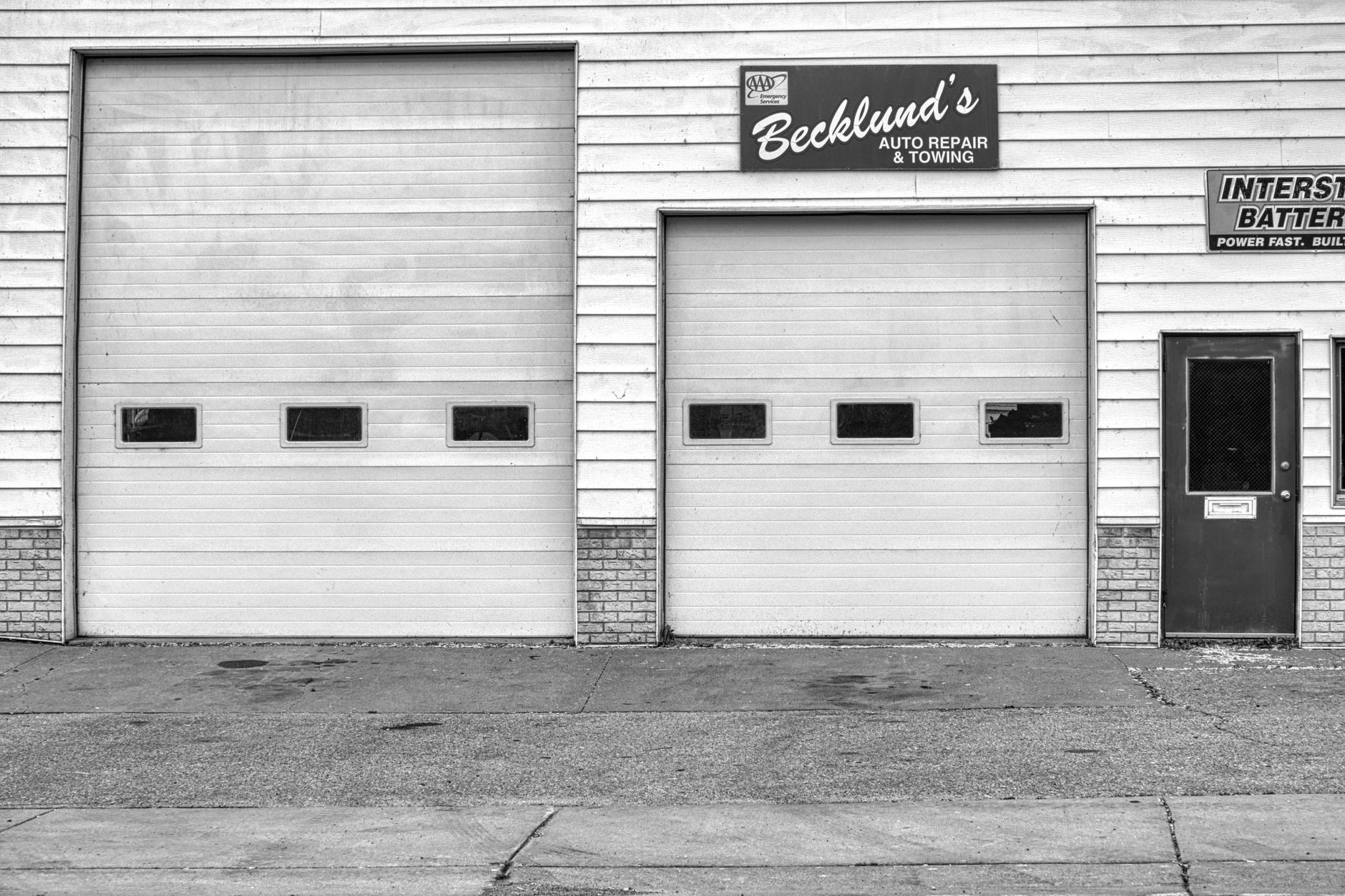
Local Shops: Pros, Cons, and When to Use
Independent shops: $80–120/hour labor vs. $120–180 at dealerships. Often use aftermarket (NAPA, CarQuest) or OEM-equivalent parts at lower cost. Building a relationship yields honest advice and priority service. Downsides: variable quality, less specialization for complex diagnostics. Best for: routine maintenance, brakes ($200–500), suspension ($300–800), repairs where OEM parts aren't critical. Look for ASE-certified technicians and positive Yelp/Google reviews. Word of mouth remains one of the best ways to find a good local shop.
Dealerships: When OEM Matters
Dealerships have manufacturer-specific training and diagnostic tools (e.g., GM MDI, Ford IDS). Warranty work must go to the dealer. Recalls are handled there at no cost. For complex electrical or software issues (e.g., transmission control module), dealer expertise can be worth the premium. Downsides: higher labor rates, sometimes pushy upsells (fuel injector cleaning $150, cabin filter $80). Best for: warranty repairs, recalls, and problems that have stumped independent shops. Use the dealer when manufacturer knowledge is essential.
National Chains: Consistency and Caveats
Firestone: tires, brakes, alignment; nationwide warranty on work. Midas: brakes, exhaust, maintenance. Pep Boys: full service. Labor: $90–130/hour. Jiffy Lube, Valvoline: oil changes ($50–80), quick maintenance; limited scope. Downsides: franchise quality varies; some locations push unnecessary services (transmission flush $150, throttle body cleaning $100). Read reviews for specific locations on Yelp. National chains work for routine service if you're selective and avoid pressure to add unneeded work.
Red Flags and Protecting Yourself
Get written estimates before work. Ask to see old parts when replaced. Get a second opinion for major repairs ($500+). Avoid shops that pressure immediate decisions. Check BBB and state attorney general for complaints. Keep records of all work. A good shop explains options, doesn't oversell, and stands behind its work. Diagnostic fees: $75–150; some shops waive if you proceed with repair.
Routine Maintenance: Where to Go
Oil changes, tire rotations, fluid top-offs: quick-lube chains (Jiffy Lube $50–80, Valvoline $55–85) offer convenience. Dealerships and independents may charge more ($60–100) but provide thorough inspections. For newer cars under warranty, dealer service preserves warranty validity and maintains full service history. For older vehicles, independents often offer best value. Use the right provider for the job.
Building a Relationship with a Mechanic
A trusted mechanic who knows your vehicle's history can catch issues early and provide honest advice. Start with smaller jobs (oil change, brake pads) to build rapport. Ask questions; a good mechanic explains what they're doing and why. Loyalty can yield priority scheduling and fair pricing. The best outcome often comes from a relationship built on trust and consistent quality.
Diagnostic Fees and Warranties
Diagnostic fees ($75–150) are common for complex issues—understand the policy before authorizing work. Some shops waive diagnostics if you proceed with the repair. Warranties on parts and labor vary: OEM parts often have 12-month/12,000-mile; aftermarket may be 90 days. Get warranties in writing. National chains (Firestone, Midas) offer nationwide labor warranties. Whether you choose local shops or national chains, the goal is reliable service at fair prices. Build relationships that serve you long-term.
Conclusion
Navigating the automotive repair maze requires knowing when to use each option. Local shops ($80–120/hour): routine maintenance, brakes, suspension, relationship-based care. Dealerships ($120–180/hour): warranty work, recalls, complex diagnostics. National chains: convenience, consistency, routine service when traveling. Get written estimates, ask for old parts, get second opinions for major repairs. Build a relationship with a trusted local mechanic for most work. The key is knowing when to use each—and avoiding shops that oversell or pressure.
Red flags to avoid: shops that won't provide written estimates, pressure to authorize work immediately, or refuse to show replaced parts. Check reviews for patterns—repeated complaints about upsells or dishonesty are warning signs. For used cars, a pre-purchase inspection ($100–200) at an independent shop can reveal hidden issues before you buy. When traveling, use chain locations with good reviews rather than unknown independents. Your car is a major investment; treat repair decisions with the same care you'd give any significant purchase.
Cost-saving strategies: buy your own parts from RockAuto or NAPA and have a shop install—labor only. For brakes and suspension, this can save 20–40%. Avoid dealer parts when out of warranty unless OEM is critical. Get multiple quotes for repairs over $500. Ask about discounts—some shops offer 10% for seniors, military, or first-time customers. Consider used or remanufactured parts for older vehicles. A trusted mechanic will work with you on options; a pushy one won't. Navigating the automotive repair maze from local shops to national chains means using each option when it fits—and building the relationships that deliver fair, reliable service.