

Honoring Life A Modern Guide To Cremation Choices And Costs
Cremation now accounts for roughly 60% of dispositions in the U.S., up from about 27% in 2000, driven by cost, flexibility, and environmental concerns. Direct cremation—no viewing, no embalming—typically runs $700–2,500 depending on region and provider, compared with $7,000–12,000 for traditional burial. Neptune Society and Cremation Society of America offer direct cremation from $695–1,295 in many markets. Families can hold a memorial or celebration of life before or after cremation; ashes can be scattered, kept in urns, or used in memorial jewelry, reefs, or tree urns. The shift reflects changing attitudes—personalization over tradition.
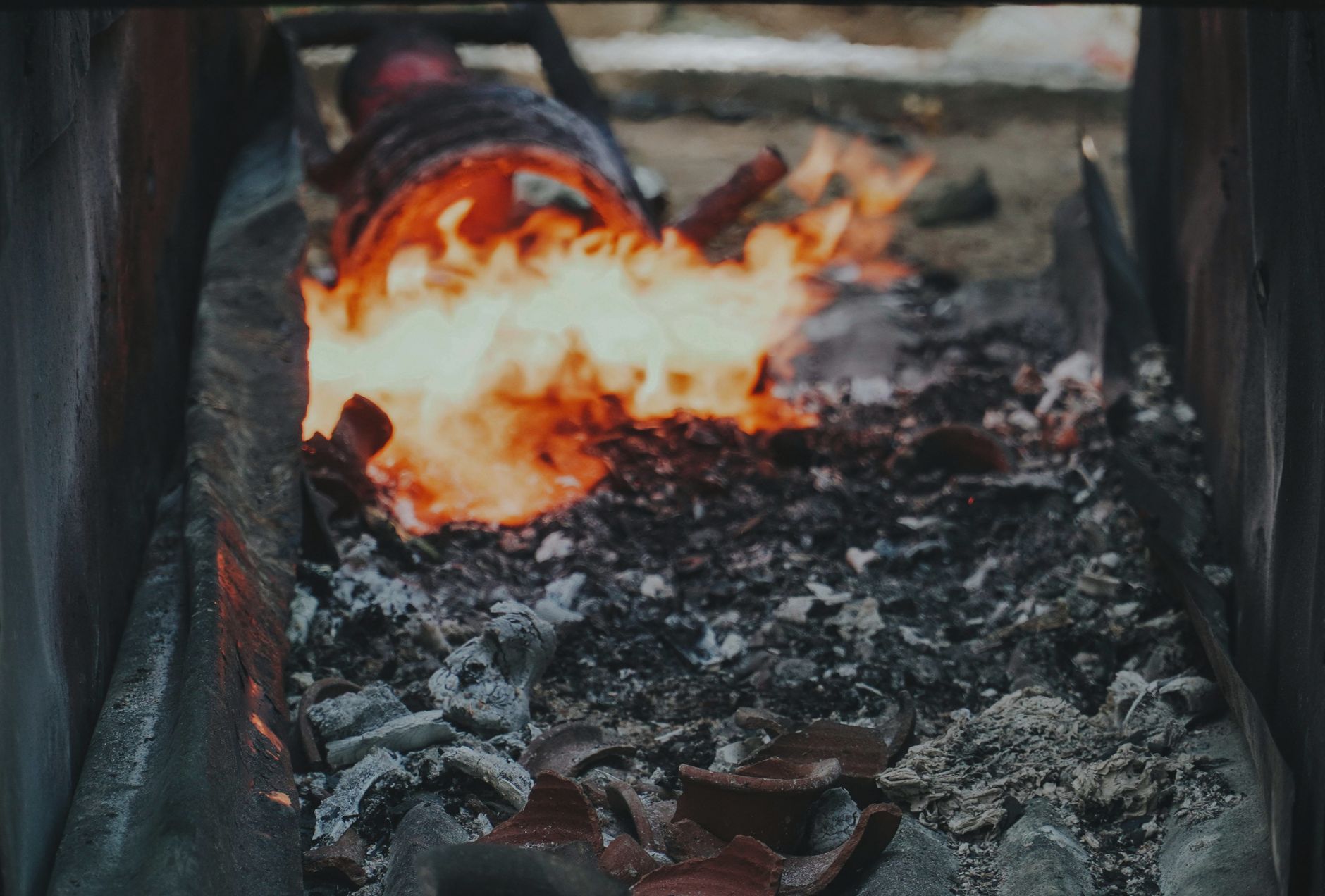
Understanding Service and Container Options
Cremation providers offer tiers: direct cremation (body picked up, cremated, ashes returned in 1–2 weeks); cremation with memorial service (ashes present, no body); full service with viewing before cremation. The FTC Funeral Rule requires itemized price lists; compare at least two or three providers. Cremation containers range from simple cardboard ($50–150) to hardwood or metal ($200–1,000+). Urns vary: basic plastic or metal ($50–200), ceramic or bronze ($200–1,500), or custom pieces from Foreverence or Parting Stone. No casket is legally required. Biodegradable urns for water or land scattering (Eternal Reefs, Bios Urn) cost $50–300.
Memorial and Celebration Options
Memorial services can occur after cremation with the urn present. Witness cremation allows family to observe the process (adds $100–300). Scattering: private land requires permission; national parks have specific rules (e.g., no scattering in developed areas). Columbarium niches ($1,000–4,000), burial of urn, or keeping at home. Memorial jewelry (cremation diamonds from Eterneva, $2,500+; keepsake pendants $50–200), reef balls (Eternal Reefs, $3,000–7,500), and tree urns (Bios Urn, $150) offer creative options.
Cost-Saving Tips and Preplanning
Preplanning locks in today's prices and relieves survivors of decisions during grief. Direct cremation societies (Neptune Society, Cremation Society of America, National Cremation Society) often undercut traditional funeral homes by 30–50%. You can buy urns and keepsakes elsewhere—providers cannot require purchase from them. Ask about indigent or low-cost programs; some counties and nonprofits offer free or reduced cremation for qualifying families. Direct cremation is the most affordable option; add services only as desired.
Environmental Considerations
Cremation uses less land than burial but consumes natural gas (equivalent to a 500-mile car trip). Aquamation (alkaline hydrolysis) offers a lower-carbon alternative where available—pioneered by Bio-Response Solutions; costs $2,500–4,000 in states that permit it. Biodegradable urns support green burial of ashes. Consider what aligns with the deceased's values and family preferences.
Planning Ahead and Family Discussions
Document wishes: direct cremation vs. service, urn preference, scattering location. Share with family. Lock in prices with preneed contracts. Having the conversation before a crisis reduces stress. Put wishes in writing—a simple letter or formal document. Designate someone to carry out your wishes. Many families find that discussing death openly brings peace. Honoring life means honoring the person's choices.
Step-by-Step: Arranging Cremation
When the time comes, call 2–3 providers for itemized price quotes. Ask: What's included in direct cremation? (Typically: pickup, cremation, basic container, return of ashes.) Are there additional fees for after-hours, mileage, or oversized remains? Request the General Price List—FTC requires providers to give it. You may provide your own urn; providers cannot require purchase from them. Allow 1–2 weeks for cremation and return of ashes. If preplanning, compare preneed contracts; ensure funds are in a trust. Neptune Society, Cremation Society of America, and local providers often post prices online. Comparing saves hundreds; direct cremation from $695–1,500 is achievable in most markets.
Cremation offers flexibility that traditional burial does not. Families can hold a memorial weeks or months later, when more people can attend. Ashes can be divided among family members, scattered in multiple locations, or incorporated into keepsakes. The environmental footprint is smaller than burial. For many families, cremation aligns with values of simplicity, flexibility, and personalization. The key is making informed choices—comparing providers, understanding options, and documenting wishes—so that when the time comes, decisions are clear and dignified.
The FTC Funeral Rule protects consumers by requiring funeral homes to provide itemized price lists and allowing consumers to purchase caskets and urns elsewhere. Use this to your advantage—you are not required to buy everything from the cremation provider. Urns can be purchased from retailers like Amazon, Walmart, or specialty memorial sites for less than funeral home pricing. The same applies to keepsakes and memorial jewelry. Bringing your own urn or container typically saves $50–200 or more. Always ask for the General Price List before discussing services; it gives you a baseline for comparison.
Cremation has become the preferred choice for a majority of American families, reflecting shifts in attitudes toward death and memorialization. The trend toward personalization—celebrations of life, unique urns, creative scattering—allows families to honor the deceased in ways that reflect their values. Whether you choose direct cremation for simplicity or add a memorial service for closure, the options are flexible. Preplanning removes the burden from grieving family members and can lock in today's prices. The key is making informed choices: compare providers, understand what's included, and document your wishes. Cremation offers dignity, flexibility, and affordability—a combination that resonates with many families today.