

Exploring The Suv Market Top 2026 Picks And How To Leverage Unsold Inventory For The Best Deals
The 2026 SUV market spans compact crossovers to full-size three-row models, with electric and hybrid options growing. Top picks: Honda CR-V ($29,500–38,000) and Toyota RAV4 ($28,675–38,000) for reliability and resale; Mazda CX-50 ($28,000–42,000) for driving dynamics; Hyundai Tucson ($29,500–38,000) and Kia Sportage ($28,990–38,000) for value and 10-year/100,000-mile warranty. For larger families: Honda Pilot ($39,000–52,000), Toyota Highlander ($38,000–50,000), Mazda CX-90 ($40,000–58,000). Dealers often carry 60–90 days of inventory; when models linger, manufacturers use incentives ($2,000–7,500 cash back, 0% APR) to clear them.
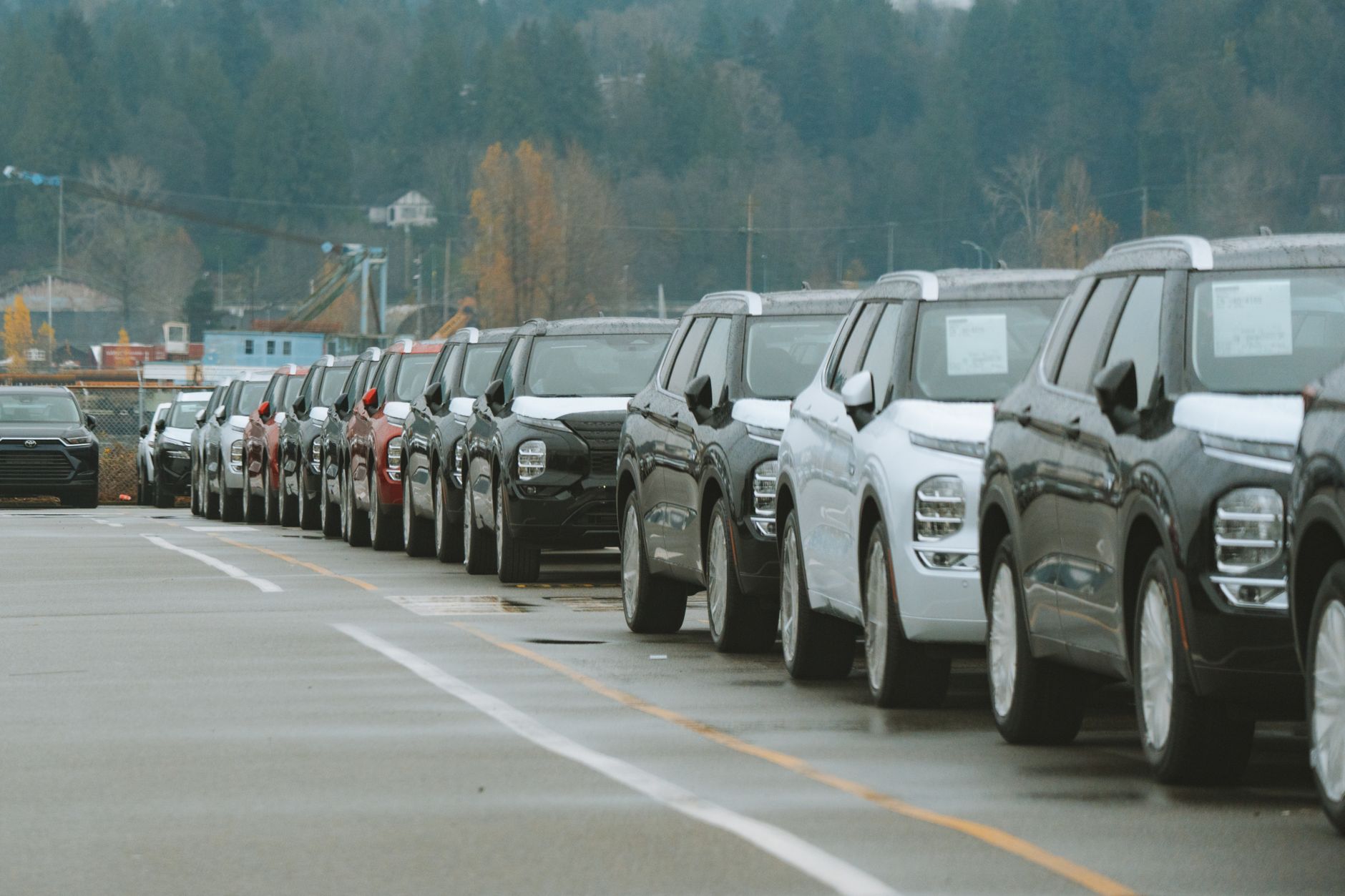
Top 2026 SUVs by Segment and Use Case
Compact: 2026 RAV4 Hybrid delivers ~41 mpg combined and Toyota's reputation for longevity. Mazda CX-50 targets buyers who want SUV utility with car-like handling. Midsize three-row: Highlander and Pilot prioritize cargo and passenger space; CX-90 adds a turbocharged inline-six for power. Electric: Tesla Model Y ($44,000–52,000), Hyundai Ioniq 5 ($41,000–57,000), Ford Mustang Mach-E ($43,000–60,000) offer lower running costs but higher upfront—federal tax credits ($3,750–7,500) narrow the gap. Compare total cost of ownership: purchase price, fuel/charging, insurance, maintenance.
How to Use Unsold Inventory to Your Advantage
Dealers discount vehicles that have sat 90+ days or are outgoing model years. Check inventory age via the Monroney sticker (build date) or ask the dealer. End-of-month, end-of-quarter, and year-end clearances often bring the best deals. Manufacturer incentives stack with dealer discounts. Use TrueCar, Edmunds, or KBB for average transaction prices, then negotiate from invoice or below—especially on high-inventory models like Nissan Murano or Jeep Grand Cherokee. Certified pre-owned 2026–2026 SUVs can save $5,000–15,000 while retaining warranty.
Negotiation Tips and Timing
Shop when dealers need to hit quotas: month-end, quarter-end (March, June, September, December). Get pre-approved financing from a credit union (often 1–2% lower than dealer rates). Negotiate price before discussing trade-in; separate the transactions. Be willing to walk; the best deal often comes when you're ready to leave. Consider traveling to high-volume dealers for better selection and pricing. Document everything in writing.
Final Checklist Before You Buy
Test drive your top 2–3 choices. Check insurance costs—some SUVs (e.g., Tesla) cost more to insure. Verify cargo space with your typical load (car seats, strollers). Consider resale value—Toyota and Honda typically hold value better. End-of-model-year clearances and high-inventory situations create opportunities for savvy shoppers.
Specific Model Recommendations by Need
Best fuel economy: RAV4 Hybrid (41 mpg), CR-V Hybrid (40 mpg), Highlander Hybrid (36 mpg). Best for families with three rows: Honda Pilot (19 cu ft behind 3rd row), Toyota Highlander (16 cu ft), Mazda CX-90 (15 cu ft). Best driving dynamics: Mazda CX-50, CX-90. Best value/warranty: Hyundai Tucson, Kia Sportage (10-year/100K). Best electric: Tesla Model Y (range, charging network), Hyundai Ioniq 5 (fast charging, space). Best for towing: body-on-frame SUVs like Toyota 4Runner (5,000 lbs), Chevrolet Tahoe (8,400 lbs). Match your priorities—fuel economy, space, driving feel, warranty—to narrow choices before visiting dealers.
Incentives and Deal Structures
Manufacturer incentives change monthly. Typical offers: $2,000–5,000 cash back, 0–3.9% APR for 36–60 months, lease specials with reduced payments. Stack with dealer discounts on high-inventory units. Loyalty discounts (returning Toyota/Honda/etc. owners) may add $500–1,500. Military and first responder discounts are common. Get pre-approved for financing; use it as leverage. Negotiate out-the-door price including fees. Document all agreed terms before signing. A deal that seems good can be undermined by add-ons (extended warranty, paint protection, gap insurance)—review line by line and decline what you don't want.
The 2026 SUV market offers something for every buyer: fuel-efficient hybrids for commuters, spacious three-row models for families, and electric options for those ready to make the switch. The key is defining your priorities—budget, space, fuel economy, features—and then narrowing the field. Use online tools to compare specs, read reviews, and check reliability ratings. Once you've identified 2–3 finalists, visit dealers, test drive, and negotiate from a position of knowledge. The combination of strong options and strategic timing (end of month, high inventory) can yield significant savings for informed shoppers.
Dealer inventory levels vary by model and region. High-demand vehicles like the RAV4 Hybrid or CR-V may have limited discounts; less popular models or outgoing model years often have more room to negotiate. Check dealer websites for inventory—if a specific trim or color has been in stock for 60+ days, the dealer may be motivated to move it. Year-end (December) and model-year transition (summer/fall) often bring the best incentives as manufacturers clear inventory. Bring your research: know invoice price, typical transaction price, and current incentives. Being prepared puts you in a stronger position to negotiate a fair deal.
Electric SUVs require different considerations. The federal tax credit ($3,750 or $7,500) depends on battery sourcing; not all EVs qualify. Factor in home charging: Level 2 charger installation runs $500–2,000 including labor. Public charging costs vary—some networks charge by minute, others by kWh. For most buyers, a hybrid offers a simpler transition: no range anxiety, no charger installation, and significant fuel savings. The RAV4 Hybrid, CR-V Hybrid, and Highlander Hybrid deliver 35–41 mpg combined—a substantial improvement over gas-only versions. If you're not ready for full electric, hybrid is a practical middle ground.