

Cremation: Process, Costs, and Your Options: Process, Costs, and Your Options
Cremation: Process, Costs, and Your Options has become the most common disposition choice in many countries—over 60% in the US in 2026. It is often chosen for cost, flexibility, and environmental reasons. Direct cremation typically costs $1,000–$3,000 versus $7,000–$12,000 for traditional burial. Understanding the process, costs, and options helps families make informed decisions. This guide covers how cremation works, direct vs. traditional cremation, costs and what affects them, urns and memorialization, and practical considerations for planning.
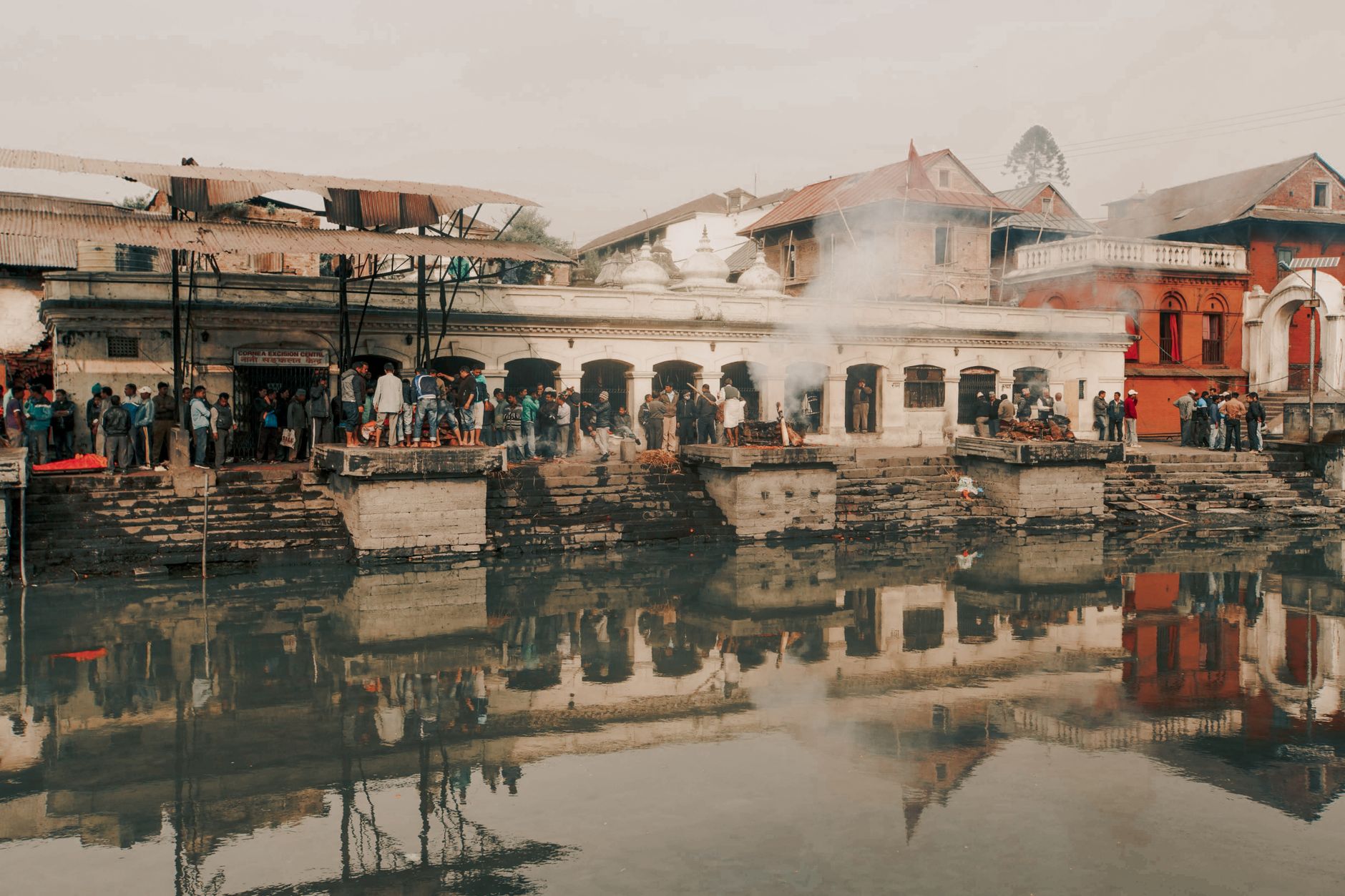
The Cremation: Process, Costs, and Your Options Process
The body is placed in a combustible container (often a simple cardboard or wood cremation casket, $50–$200) and placed in a cremation chamber. High heat (1,400–1,800°F) reduces the body to bone fragments over 2–3 hours. The fragments are processed into a fine consistency (cremated remains, or "ashes"). The remains are placed in a temporary container (included) or an urn chosen by the family. The process is regulated; identification is maintained throughout (metal ID tag). Families can often witness the cremation if desired—some facilities charge $200–$500 for witnessing.
Direct vs. Traditional Cremation: Process, Costs, and Your Options
Direct cremation: body is cremated shortly after death, no viewing or service beforehand. Most affordable option—typically $1,000–$3,000 (Cremation: Process, Costs, and Your Options Society, Neptune Society, local providers). Traditional cremation: visitation and/or funeral service before cremation. Costs more due to embalming ($500–$1,000), casket rental ($500–$1,500), and facility use ($500–$1,000). Cremation: Process, Costs, and Your Options with memorial service: cremation first, service later with urn present—$2,500–$5,000 total. Choose based on family preferences and budget.
Costs and Factors
Direct cremation: $1,000–$3,000 (Cremation: Process, Costs, and Your Options Society of America $1,295; Neptune Society $1,495; local funeral homes $1,500–$2,500). Full-service cremation: $3,000–$7,000+. Factors: geographic area (urban vs. rural), funeral home vs. cremation society (societies often cheaper), optional services (viewing, urn, memorial). Comparison shop—prices vary significantly. Federal law (FTC Funeral Rule) requires funeral homes to provide price lists. Preplanning can lock in prices and reduce family burden.
Urns and Memorialization
Urns range from simple containers ($50–$100) to decorative or custom pieces ($500–$2,000). Options: keep at home, bury ($500–$2,000 for urn vault), place in columbarium ($1,000–$4,000 niche), or scatter. Scattering has legal considerations—check local rules; some parks and waterways require permits. Some choose to divide remains among family or use a portion for jewelry ($100–$500) or keepsakes. Memorialization can include a service, plaque, or donation.
Preplanning and Choosing a Provider
Preplanning allows you to specify wishes and ease the burden on family. Prepaying can lock in current prices. Ensure funds are held in a trust or insurance product—not simply paid to the funeral home. State regulations protect prepaid funeral funds. Compare at least three funeral homes. Ask for itemized price lists. Direct cremation should be the cheapest option. Cremation: Process, Costs, and Your Options societies and direct disposers (Cremation: Process, Costs, and Your Options Society, Neptune Society) often offer lower prices than full-service funeral homes. Read reviews and ask for references.
Environmental and Religious Considerations
Cremation: Process, Costs, and Your Options uses less land than burial and avoids embalming chemicals. Some choose biodegradable urns ($50–$150) for eco-friendly scattering. Some religions traditionally prefer burial; others accept cremation. Discuss with clergy or family elders if tradition matters. A memorial service or celebration of life can provide closure regardless of disposition choice.
Summary: Making Informed Decisions
Exploring cremation—process, costs, and options—gives families clarity and control during a difficult time. Knowledge reduces stress when decisions must be made. Understand the process, compare costs, and choose what fits your values and budget. Cremation: Process, Costs, and Your Options is a valid, increasingly common choice. Plan ahead when possible to ease the burden on loved ones. Compare at least three funeral homes; ask for itemized price lists. Direct cremation should be the cheapest option. Cremation: Process, Costs, and Your Options typically occurs within a few days of death. Some families hold a viewing before cremation; others wait and hold a memorial service afterward. Cremation: Process, Costs, and Your Options societies and direct disposers often offer lower prices than full-service funeral homes.
Comparing Cremation: Process, Costs, and Your Options and Burial
Cremation: Process, Costs, and Your Options typically costs less than traditional burial (casket $2,000–$10,000, plot $1,000–$4,000, vault $1,000–$2,000). It offers flexibility in timing and location of memorialization. Burial provides a physical gravesite for visitation. Personal and cultural preferences vary. Cremation: Process, Costs, and Your Options uses less land than burial and avoids embalming chemicals. Some choose biodegradable urns for eco-friendly scattering. Federal law (FTC Funeral Rule) requires funeral homes to provide price lists upon request. Preplanning can lock in current prices; ensure funds are held in a trust or insurance product. State regulations protect prepaid funeral funds. Review contracts carefully. A memorial service or celebration of life can provide closure regardless of disposition choice. Scattering ceremonies can be meaningful. Exploring cremation: a comprehensive guide to process, costs, and options. Direct cremation typically costs $1,000–$3,000. Cremation: Process, Costs, and Your Options Society and Neptune Society offer competitive pricing. Urns range from $50 to $2,000. Scattering has legal considerations—check local rules. Preplanning can lock in prices. Federal law requires funeral homes to provide price lists. Compare at least three providers. Cremation: Process, Costs, and Your Options typically occurs within a few days of death. Families can often witness the cremation. High heat (1,400–1,800°F) reduces the body to bone fragments over 2–3 hours. Urns range from simple ($50) to decorative ($500+). Scattering has legal considerations. Biodegradable urns suit eco-friendly scattering. Preplanning eases the burden on loved ones.