

Alternatives Dental Clips for Missing Teeth
Dental clips—removable partial dentures that clip onto remaining teeth—are one option for replacing missing teeth. Alternatives include dental implants, fixed bridges, and flexible partial dentures. Exploring alternatives and dental clips for missing teeth requires understanding pros, cons, and costs of each. Dental clips (clasp-retained partials) are affordable and non-invasive but can stress abutment teeth and feel less stable than implants. This guide covers dental clips, implants, bridges, and how to choose the right solution for your situation.
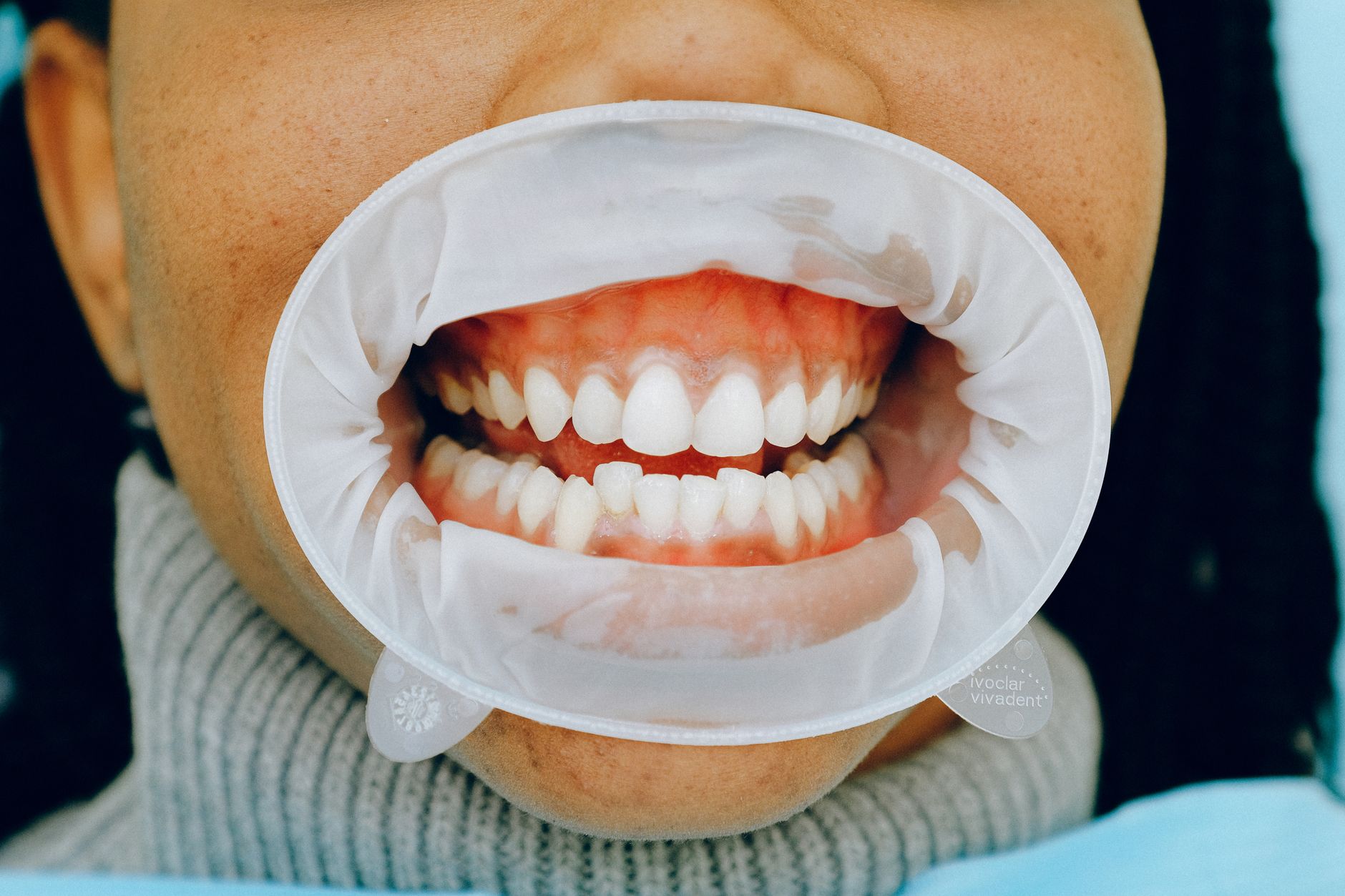
Dental Clips (Clasp-Retained Partials)
Removable partial dentures use metal or acrylic clasps that grip adjacent teeth for retention. They are relatively affordable ($300–1,500+) and require no surgery. Downsides: can loosen over time, may affect abutment teeth, and feel less natural than fixed options. Exploring alternatives and dental clips for missing teeth: clips suit budget-conscious patients or those who cannot have implants due to health or bone issues.
Dental Implants
Implants replace tooth roots with titanium posts; crowns attach on top. They feel and function like natural teeth, preserve bone, and don't affect adjacent teeth. Cost: $3,000–6,000+ per implant. Require sufficient bone and good health. Exploring alternatives: implants are the gold standard for single or multiple missing teeth when budget and health allow.
Fixed Bridges and Flexible Partials
Fixed bridges anchor to adjacent teeth (crowned) with a false tooth in between. Non-removable, stable, but require altering healthy teeth. Cost: $2,000–5,000+. Flexible partials (e.g., Valplast) use a flexible resin base—more comfortable than metal, less visible clasps. Exploring alternatives and dental clips for missing teeth: bridges suit 1–2 missing teeth with strong neighbors; flexible partials offer a middle ground between metal clips and implants.
Choosing Based on Your Situation
Consider: number of missing teeth, bone health, budget, and preference for removable vs. fixed. Consult a dentist for a personalized plan. Exploring alternatives and dental clips for missing teeth—your dentist can explain which option best fits your anatomy, lifestyle, and finances.
Cost and Insurance
Dental insurance may cover partials (50–80% of cost); implants are often partially covered or excluded. Payment plans and dental schools (reduced-cost care) can help. Exploring alternatives and dental clips for missing teeth includes factoring in long-term costs—implants last decades; partials may need replacement every 5–10 years.
Maintenance and Longevity
Dental clips (partials) require removal for cleaning; avoid sleeping in them to protect abutment teeth. Implants need regular brushing and flossing like natural teeth. Exploring alternatives and dental clips for missing teeth: proper care extends the life of any option. Follow your dentist's instructions.
Exploring alternatives and dental clips for missing teeth—each option has trade-offs. Dental clips are affordable and quick; implants offer the best long-term outcome. Discuss with your dentist to find the right fit for your smile.
Replacing missing teeth improves function, appearance, and oral health. Exploring alternatives and dental clips for missing teeth helps you understand the landscape before your consultation. Bring questions to your dentist: What do you recommend for my case? What are the costs and timelines? Your smile and chewing ability matter—choose the option that fits your needs and budget.
Consultation and Treatment Planning
A thorough dental exam assesses bone health, remaining teeth, and overall oral condition. Exploring alternatives and dental clips for missing teeth: your dentist will recommend options based on your anatomy and goals. Implants require adequate bone; bone grafting may be needed. Partials and bridges have different timelines. Get a written treatment plan with costs before proceeding.
Missing teeth affect more than appearance—they can shift remaining teeth, impact chewing, and contribute to bone loss. Exploring alternatives and dental clips for missing teeth gives you the knowledge to discuss options with your dentist. Dental clips (partials) are one path; implants and bridges are others. The right choice depends on your situation—consult a professional to find your fit.
Modern dentistry offers multiple solutions for tooth loss. Exploring alternatives and dental clips for missing teeth helps you understand the options before your consultation. Dental clips provide an affordable, non-surgical option; implants offer the most natural long-term solution. Bridges and flexible partials fill the gap between. Your dentist will consider your oral health, bone structure, budget, and preferences when recommending treatment. Exploring alternatives and dental clips for missing teeth—arm yourself with knowledge so you can participate in the decision.
Tooth loss affects millions of adults. Exploring alternatives and dental clips for missing teeth is the first step toward restoration. Dental clips (removable partial dentures) have been used for decades; they remain a viable option for many. Implants represent the gold standard but require surgery and investment. Exploring alternatives and dental clips for missing teeth—discuss all options with your dentist. The right choice depends on your unique situation. Your smile and function matter; take the time to find the best fit.
Schedule a consultation to discuss your options. Exploring alternatives and dental clips for missing teeth prepares you for that conversation. Your dentist will examine your mouth, discuss costs and timelines, and recommend the best approach. Exploring alternatives and dental clips for missing teeth—go in informed. Ask about dental clips, implants, bridges, and flexible partials. The right solution restores both function and confidence.