

Explore Cutting Edge Laser Skin Treatments At Local Clinics
Laser skin treatments have evolved from single-wavelength devices to versatile platforms that address wrinkles, pigmentation, acne scars, hair removal, and vascular lesions. Local clinics now offer fractional CO2, Nd:YAG, IPL (intense pulsed light), and picosecond lasers—each targeting specific concerns. Cutting-edge options include microneedling with RF (radiofrequency), laser resurfacing combined with PRP (platelet-rich plasma), and devices that combine multiple wavelengths. Choosing a clinic involves verifying credentials (board-certified dermatologists or trained aestheticians), equipment quality, and realistic expectations. This guide explores treatment types, what to ask at consultations, and how to find reputable local providers.
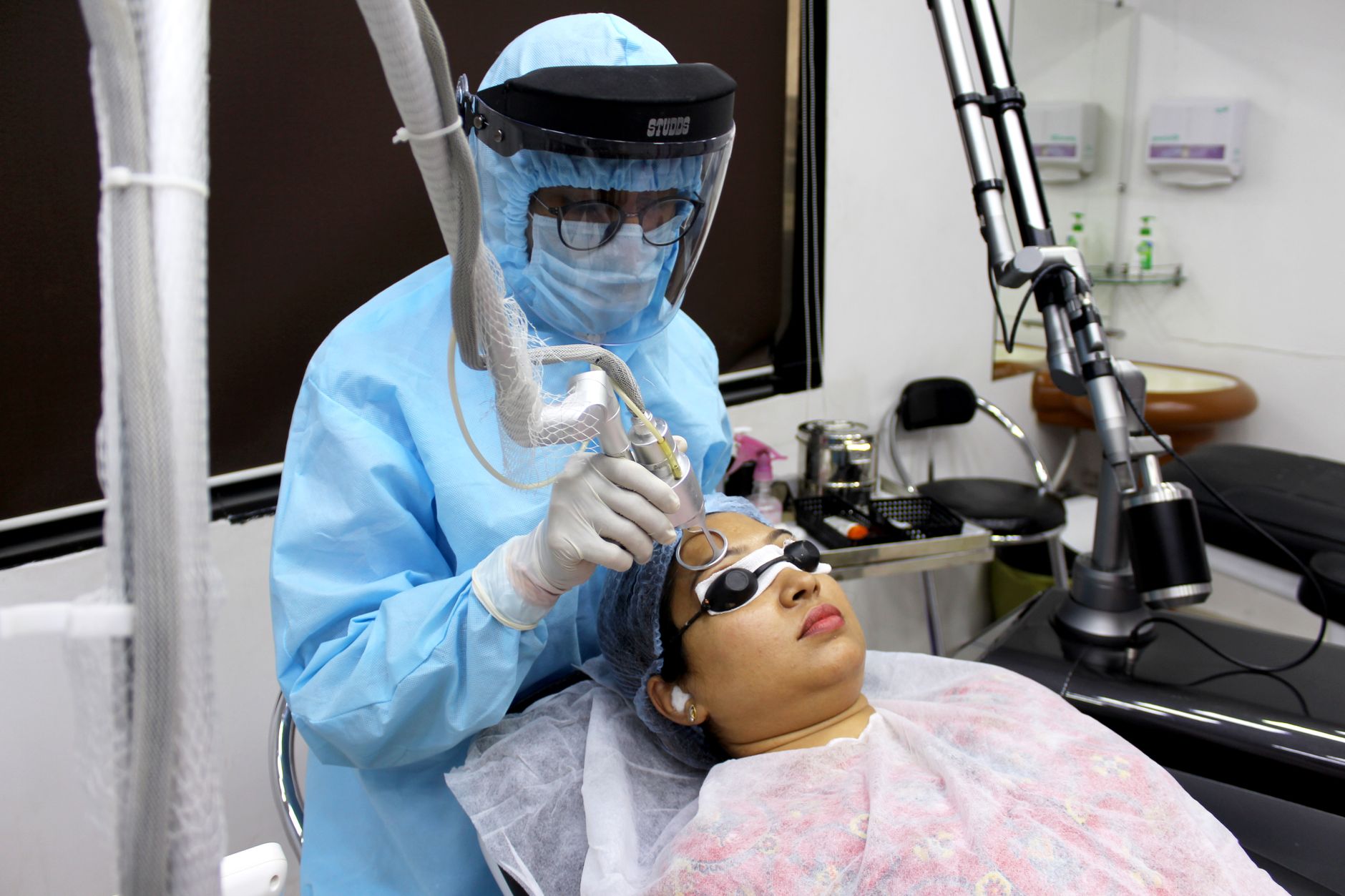
Treatment Types: Resurfacing, Pigmentation, and Vascular
Ablative lasers (CO2, Erbium) remove outer skin layers to treat deep wrinkles, scars, and sun damage; downtime is 1–2 weeks. Non-ablative fractional lasers (Fraxel, Clear + Brilliant) create micro-injuries to stimulate collagen with minimal downtime (1–3 days). IPL treats sun damage, redness, and some pigmentation; it's gentler but less precise than lasers. Nd:YAG targets deeper pigment and vascular lesions; it's also used for hair removal on darker skin. Picosecond lasers (PicoSure, PicoWay) shatter pigment with ultra-short pulses—effective for tattoos and stubborn melasma. RF microneedling (Morpheus8) combines needles with radiofrequency for skin tightening and texture improvement.
Explore cutting-edge laser skin treatments at local clinics: technology has advanced significantly. Modern devices offer better safety profiles, especially for darker skin tones. Local clinics can provide personalized care—smaller practices often spend more time on consultation and follow-up. The key is finding a clinic with the right equipment and expertise for your concerns.
What to Expect at a Consultation
A thorough consultation includes skin analysis, discussion of goals, and a customized treatment plan. The provider should explain which device suits your skin type and concerns—Fitzpatrick skin type affects laser safety and settings. Ask about downtime, number of sessions needed, and realistic outcomes. Before-and-after photos of similar patients help set expectations. Cost varies: IPL $300–600 per session; fractional resurfacing $1,000–3,000; full ablative $3,000–8,000. Package deals may reduce per-session cost. Avoid clinics that push aggressive treatment without assessing your skin or that lack visible credentials.
Finding Reputable Local Clinics
Board-certified dermatologists and plastic surgeons offer the highest level of oversight; many employ trained aestheticians or laser technicians for specific procedures. Medical spas vary widely—verify the medical director is actively involved and that staff have formal training on the equipment used. Check state regulations: some states require physician supervision for certain lasers. Read reviews for consistency on results, cleanliness, and communication. Ask about emergency protocols and what happens if complications occur. Cutting-edge treatments require cutting-edge expertise—choose providers who invest in training and quality equipment.
Pre- and Post-Treatment Care
Pre-treatment: avoid sun exposure, retinoids, and certain medications (e.g., Accutane) as directed. Shave treatment areas for hair removal. Post-treatment: gentle cleansing, broad-spectrum sunscreen, and avoiding irritants. Downtime depends on treatment depth—ablative procedures require more careful wound care. Hydration and avoiding makeup until skin heals reduce infection risk. Follow-up sessions are often needed for optimal results; plan accordingly. Exploring cutting-edge laser treatments at local clinics means partnering with skilled providers who prioritize safety and realistic outcomes.
Combination Treatments and Customization
Many clinics offer combination packages—laser resurfacing with microneedling, or IPL with chemical peels—to address multiple concerns in one visit or over a series. Customization is key: a one-size-fits-all approach rarely delivers optimal results. Your provider should tailor the protocol to your skin type (Fitzpatrick I–VI), concerns (wrinkles, pigmentation, acne scars, redness), and tolerance for downtime. Some treatments are contraindicated for darker skin tones due to pigment risk; Nd:YAG and certain fractional devices are safer options. Discuss your full skincare routine—retinoids, acids, and other actives may need to be paused before and after laser.
Cost vs. Value: Investing in Results
Laser treatments are an investment; cheaper options may use older equipment or less experienced operators—increasing risk of burns, scarring, or poor results. Compare cost per session and total treatment plan: a single aggressive ablative session may cost more upfront but deliver comparable results to multiple lighter sessions. Maintenance treatments (e.g., annual fractional resurfacing) extend results. Ask about touch-up policies if results are suboptimal. Exploring cutting-edge laser treatments at local clinics means weighing cost against expertise and outcomes—the best value is safe, effective treatment from a qualified provider.
Local clinics vary in equipment quality—ask which devices they use and when they were last upgraded. Newer platforms often offer better safety profiles and faster treatments. Building a relationship with a clinic allows for customized treatment plans over time. Exploring cutting-edge laser skin treatments at local clinics is about finding providers who invest in technology and training—your skin deserves both.
Before booking, ask about the specific laser or device brand and model. Research whether it's appropriate for your skin type and concerns. Explore cutting-edge laser skin treatments at local clinics with confidence—today's technology offers effective, safe options for a wide range of skin concerns when performed by qualified providers.