

Supporting Seniors Navigating The Internet Age With Confidence
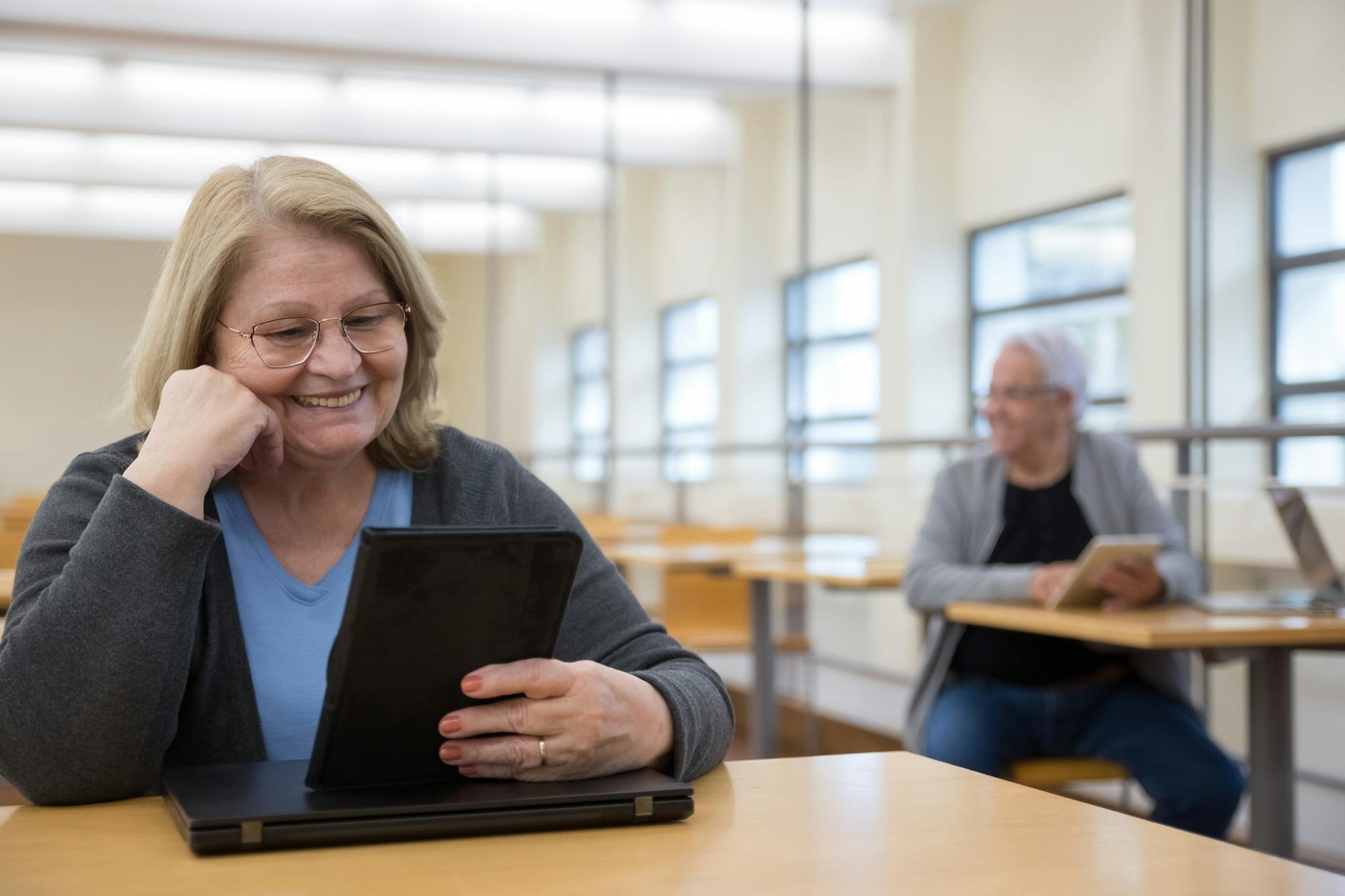
Older adults are the fastest-growing group online: about 75% of Americans 65+ use the internet, up from 14% in 2000. Seniors use it for health information, banking, video calls with family, and shopping—but phishing, scams, and confusing interfaces create real barriers. Targeted support—from simplified devices to community classes—can help older users gain confidence. The goal is practical competence: verifying sources, protecting accounts, and using tools that improve daily life. GrandPad tablets ($60/month with cellular) and Jitterbug phones ($20–35/month) offer simplified interfaces. Libraries and senior centers offer free digital literacy classes.
Practical Skills That Matter Most
Password management: use 1Password ($36/year) or Bitwarden (free) to create and store strong, unique passwords. Recognizing phishing: be skeptical of urgent emails, links, and requests for personal info—legitimate organizations never ask for passwords via email. Two-factor authentication (2FA) adds critical protection; enable it on email (Gmail, Outlook) and banking. Video calling: Zoom (free for 40 min), FaceTime (Apple devices), Google Meet. Practice with family before telehealth calls. Online banking: look for the padlock icon and https://; never share login details. Medicare (medicare.gov) and Social Security (ssa.gov) have official portals—scammers impersonate them via phone and email. Pause and verify before clicking.
Avoiding Scams and Fraud
Grandparent scams: callers pretend to be a grandchild in trouble; verify by calling the family member directly on a known number. Tech support scams: pop-ups or callers claiming your computer is infected—Microsoft and Apple never cold-call. Romance scams: be cautious with online relationships; never send money or gift cards. IRS and government impersonators: real agencies don't demand payment via gift cards or wire transfer. When in doubt, hang up and call the official number from a trusted source (e.g., IRS.gov, not a caller's number). Report scams to FTC (reportfraud.ftc.gov) and local authorities.
Resources and Support for Older Learners
Libraries and senior centers offer free digital literacy classes—check your local library's calendar. OATS (Older Adults Technology Services) runs Senior Planet centers in 15+ cities and online workshops. AARP provides guides and webinars at aarp.org. GrandPad ($60/month) offers simplified tablets with curated apps and 24/7 support. Family members can help: set up devices, enable screen sharing (TeamViewer, AnyDesk) for remote support, create simple printed guides. Encouragement and patience matter; many seniors benefit from repetition and non-judgmental support.
Devices and Accessibility
Larger screens (iPad, 10-inch tablets) and text size settings (Settings > Display) reduce eye strain. Voice assistants (Alexa, Siri, Google Assistant) enable hands-free use. Simplified phones (Jitterbug Smart3, $20/month) and tablets (GrandPad) limit options to reduce overwhelm. High-contrast modes and magnification help vision. Consider ergonomics: tablet stands ($15–40), comfortable chairs. Start with one skill at a time—setting up a password manager takes 30 minutes but protects every account.
Staying Connected and Engaged
Video calls with family, online classes (Coursera, Senior Planet), and telehealth expand possibilities. Social media (Facebook, Nextdoor) can combat isolation when used mindfully. Online shopping (Amazon, Walmart), prescription refills (CVS, Walgreens apps), and government services (SSA, Medicare) reduce errands. The internet offers entertainment, learning, and connection—but only if users feel confident. With support, older adults thrive online.
Step-by-Step: Setting Up Key Accounts
For password management: download 1Password or Bitwarden, create a strong master password, and add your email and banking logins first. For 2FA: go to account settings on Gmail, banking sites, and Medicare; enable authenticator app (Google Authenticator, Authy) or SMS. For video calls: install Zoom or use FaceTime on Apple devices; practice with a family member before a doctor's appointment. For online banking: log in from a secure connection, set up alerts for transactions, never click links in emails—type the bank URL directly. Taking these steps one at a time, with a family member or tech support if needed, builds confidence without overwhelm.
Older adults who gain digital skills report better connection with family, easier access to healthcare information, and reduced isolation. The investment in learning pays off in independence and quality of life. Libraries, senior centers, and organizations like OATS and AARP provide free or low-cost support. Family members can help by setting up devices, creating simple printed guides, and offering patient, non-judgmental assistance. The goal is practical competence—not mastery of every app, but confidence in the tools that matter most for daily life.
Scams targeting seniors have increased with the rise of digital communication. The FTC reports that adults 60+ lose more money to fraud than younger adults on average. Education is the best defense: knowing common scam tactics, verifying before acting, and having a trusted person to call when something seems off. Seniors who learn to recognize and avoid scams can use the internet with confidence. The benefits—staying connected, managing health, accessing services—far outweigh the risks when users have the right skills and support.
Telehealth has become a major use case for seniors online. Medicare covers telehealth visits with many providers; private insurance often does as well. Setting up a telehealth appointment typically requires a device with camera and microphone, a stable internet connection, and the provider's platform (often a link sent by email or text). Practicing with a family member beforehand reduces anxiety. Seniors who master telehealth can access medical care without leaving home—particularly valuable for those with mobility issues or in rural areas. The same skills (video calls, secure login) apply to virtual social activities, online classes, and staying in touch with family.