

Discover The Ultimate All Inclusive Tanzania Safari Experience
All-inclusive Tanzania safaris bundle accommodation, game drives, meals, park fees, and often internal flights into a single price—simplifying planning and delivering immersive wildlife experiences. The Serengeti, Ngorongoro Crater, Tarangire, and Selous offer diverse ecosystems and the Big Five. Lodging ranges from mobile camps ($150–300/night) to luxury lodges ($800–1,500/night). Timing affects wildlife—the Great Migration in the Serengeti runs June–October in the north, December–March in the south. Operators like &Beyond, Asilia Africa, and Thomson Safaris offer 5–10 day packages from $3,500–12,000 per person. Tanzania is one of Africa's premier safari destinations.
What All-Inclusive Covers
Typically included: accommodation, twice-daily game drives, park fees ($70–80/day for Serengeti, $71 for Ngorongoro), meals, bottled water, and transfers. Sometimes included: internal flights (Coastal Aviation $200–400 one-way), alcoholic drinks, laundry. Exclusions: tips ($15–25/day for guide, $5–10 for camp staff), travel insurance ($50–150 for 2 weeks), visas ($50 for U.S. citizens, obtain at Kilimanjaro or online), international flights. Read inclusions carefully—"all-inclusive" varies by operator. Premium operators (Singita, &Beyond) include more; budget packages (SafariBookings.com listings $200–400/day) may charge for extras. Clarify before booking.
Destinations and Timing
Serengeti: migration (wildebeest, zebra) June–October in north (Mara River crossings), December–March in south (calving season). Ngorongoro Crater: year-round wildlife; $71 park fee. Tarangire: elephants, baobabs; dry season (June–October) best. Selous/Ruaha: less crowded, lower density. Peak season (July–October) costs 20–40% more; green season (March–May) offers value and fewer tourists—rains are typically short afternoon showers. Choose timing for your priorities: migration drama vs. value and solitude.
Choosing an Operator
Verify operators: check SafariBookings.com reviews, TATO (Tanzania Association of Tour Operators) membership, and sustainability certifications. Compare itineraries—5-day Serengeti-only vs. 10-day Serengeti-Ngorongoro-Tarangire. Reputable operators: &Beyond (premium, $600–1,200/day), Asilia Africa (mid-luxury, $400–800/day), Thomson Safaris (U.S.-based, $400–600/day), Safari Ventures (budget, $250–400/day). Ask about vehicle type (4x4 Land Cruiser with pop-top), guide certification, and group size (max 6 per vehicle). The right parks, timing, and operator create your dream trip.
Lodging Options
Mobile camps (Serengeti Under Canvas, &Beyond Mobile): move with the migration; $400–800/night; immersive but basic amenities. Fixed lodges: Four Seasons Safari Lodge ($1,200+/night), Serena lodges ($300–500/night). Tented camps: permanent tents with en-suite facilities; Asilia's Dunia Camp ($650/night). Luxury lodges: Singita Grumeti ($1,500+/night), high-end service, gourmet dining. Choose based on comfort level, budget, and desired experience. All-inclusive packages typically include accommodation; upgrades may be available.
Wildlife and What to Expect
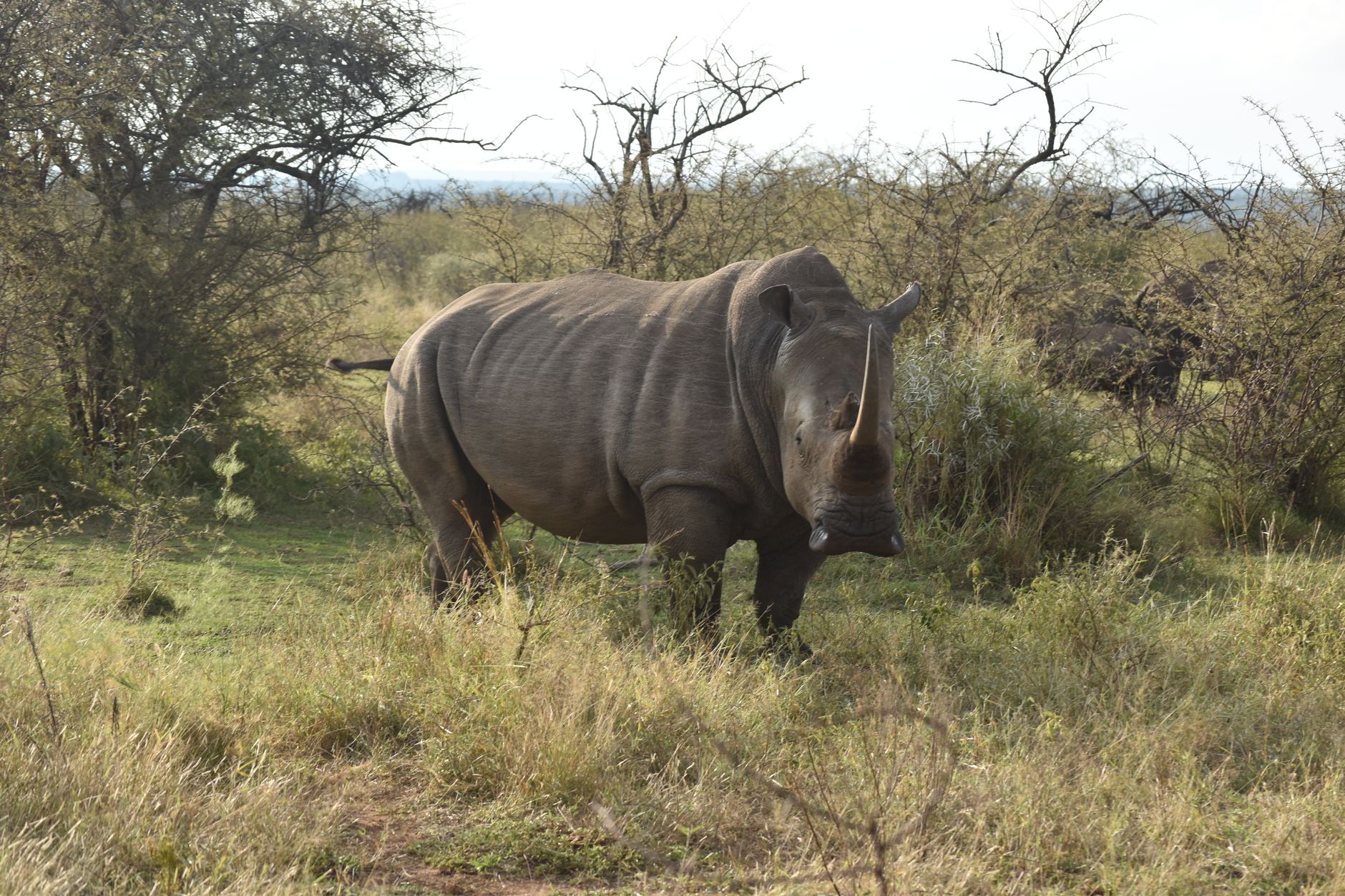
Tanzania offers the Big Five (lion, leopard, elephant, buffalo, rhino—Ngorongoro has black rhino) plus cheetah, wildebeest, zebra, giraffe, and 500+ bird species. Game drives typically run 6–10am and 4–7pm in open 4x4 vehicles. Early morning and late afternoon offer best light and animal activity. Guides share knowledge of wildlife behavior—expect to see lions, elephants, and herds daily in Serengeti. Respect park rules: stay in vehicles, no feeding, minimal noise. Bring binoculars (10x42 recommended, $80–200) and a camera with 200mm+ zoom.
Packing and Preparation
Pack neutral colors (khaki, olive, beige)—avoid bright colors that startle wildlife. Bring binoculars, camera with zoom, sunscreen (SPF 50), and a hat. Layers: mornings can be 50°F, afternoons 85°F. Many lodges offer laundry. Tanzania visa: $50 for U.S. citizens, obtain on arrival at Kilimanjaro or online. Malaria prophylaxis: Malarone ($3–5/day) or doxycycline ($0.50/day); consult a travel clinic. Travel insurance with medical evacuation ($150–300 for 2 weeks) is essential—remote areas have limited facilities. Game drives often depart at 6am.
Sustainability and Responsible Tourism
Choose operators committed to wildlife conservation—&Beyond and Asilia fund anti-poaching and community projects. Avoid activities that disrupt animals: no off-road driving, maintain distance. Support lodges that employ locally and use solar power. Respect cultural norms when visiting Maasai villages ($20–50 per visit, often included). Your safari choices affect the long-term health of Tanzania's ecosystems. The ultimate all-inclusive Tanzania safari experience leaves a positive legacy.
Photography Tips
Bring a camera with 200mm+ zoom (Nikon D5600 with 70–300mm or Sony A6400 with 70–350mm). Early morning (6–9am) and late afternoon (4–7pm) light are best—golden hour enhances colors. Be patient: wildlife appears on its own schedule; guides know where to look. Use burst mode for action shots. Pack extra batteries and memory cards—charging can be limited in camps. A bean bag or monopod stabilizes long lenses in vehicles. The right gear and timing make all the difference for memorable photos.
Sample Itineraries and Budget Ranges
Budget (5 days): Serengeti and Ngorongoro with mid-range lodges—$2,500–3,500 per person. Mid-range (7 days): Serengeti, Ngorongoro, Tarangire with tented camps—$4,500–6,500. Luxury (10 days): Full circuit with Singita or &Beyond—$12,000–18,000. Add $800–1,500 for international flights from the U.S. Peak season (July–September) adds 20–30%. Book 9–12 months ahead for popular dates. Many operators offer payment plans.
Conclusion
The ultimate all-inclusive Tanzania safari experience combines the right parks, timing, and operator. Understand what's included—accommodation, game drives, park fees, meals—and what's not (tips, insurance, visas). Plan for wildlife viewing: early morning and late afternoon game drives, binoculars, and a good camera. Pack neutral colors and layers. Choose operators committed to conservation. Tanzania delivers unforgettable wildlife encounters in Africa's most iconic landscapes. Create memories that last a lifetime.
Final tips: fly into Kilimanjaro (JRO) or Dar es Salaam (DAR) depending on your itinerary. Allow 2–3 days buffer for international flight delays. Pack a headlamp for camp; power can be limited. Bring USD for tips; small bills ($1, $5) useful. Tipping: $15–25/day for guide, $5–10/day for camp staff. Many lodges accept credit cards but remote camps may be cash-only. The investment is significant but the experience is unmatched—plan well and enjoy every moment.