

Discover The Hair Restoration Clinics Near You
Hair restoration clinics offer FUE (follicular unit extraction) and FUT (follicular unit transplantation) procedures to address thinning and baldness. FUE extracts individual follicles for minimal scarring and faster recovery; FUT removes a strip for higher graft yield in one session. Clinics vary widely in experience, pricing, and results. Board-certified surgeons (plastic surgery, dermatology, or facial plastic surgery) with dedicated hair restoration training are the gold standard. Before-and-after galleries, patient reviews, and in-person consultations help you discover the right clinic near you. This guide covers what to look for, cost factors, and how to choose a hair restoration clinic.
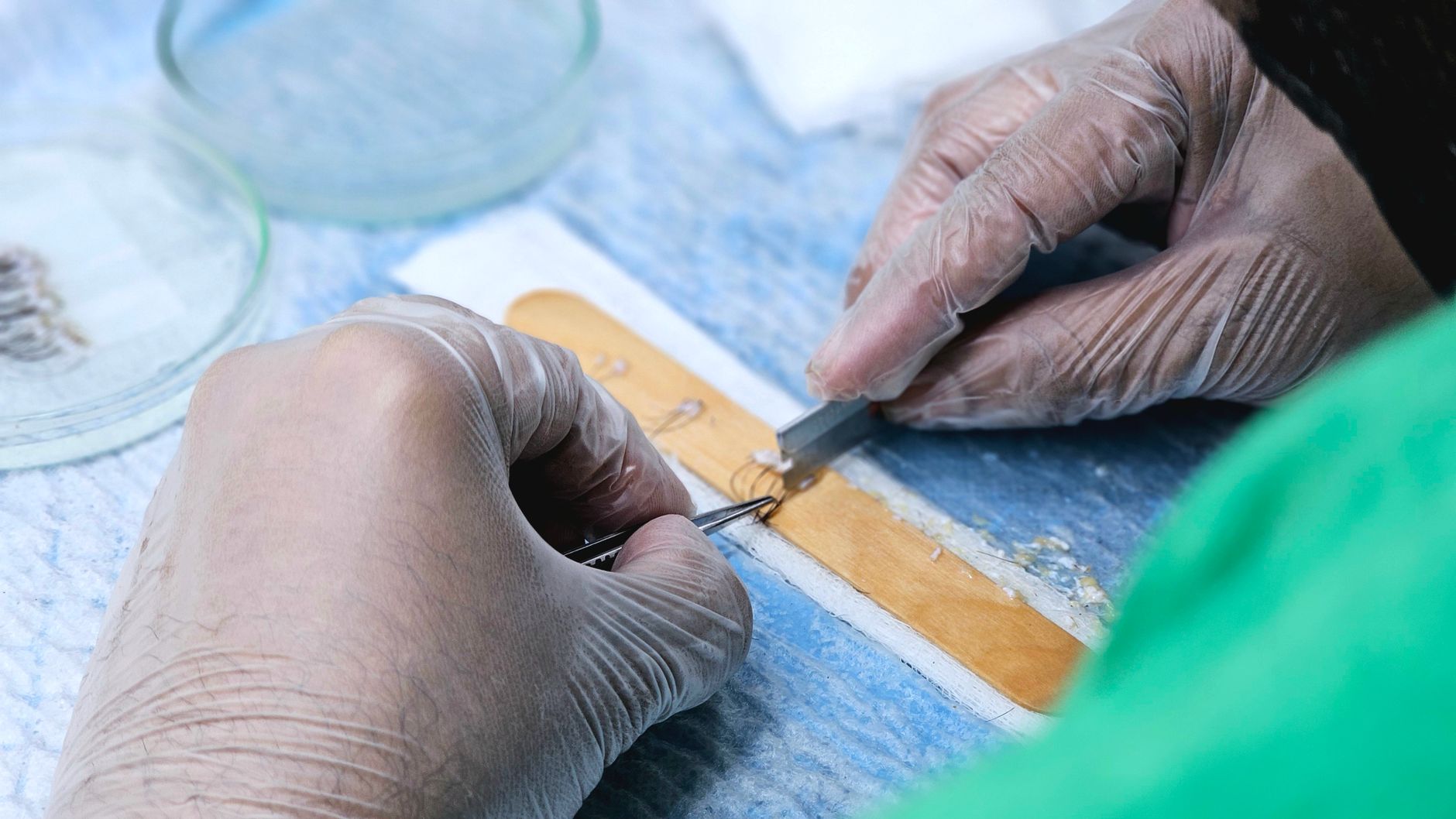
What to Look For: Credentials and Experience
Surgeon credentials: Board certification in plastic surgery, dermatology, or facial plastic surgery. Membership in ISHRS (International Society of Hair Restoration Surgery) or ABHRS. Procedure volume: High-volume surgeons (500+ procedures/year) typically produce more consistent results. Before-and-after galleries: Look for cases similar to yours (hairline, extent of loss). Patient reviews: RealSelf, Google, clinic websites. In-person consultation: Assess donor supply, realistic expectations, and rapport. Red flags: Non-physician technicians performing extractions, pressure to book immediately, or refusal to show credentials.
FUE vs. FUT: Which Procedure?
FUE: No linear scar, shorter recovery (5–7 days), suitable for shorter hairstyles. Graft yield per session may be lower (2,000–3,500). FUT: Higher graft count in one session (3,000–4,500); linear scar hidden by hair. Longer recovery (2–3 weeks). Your surgeon will recommend based on donor supply, extent of loss, and goals. Some clinics specialize in one; others offer both. Discover the right approach through consultation.
Cost and Financing
Pricing is typically per graft ($4–8+ in the US) or per session. Total cost depends on graft count: 1,500–2,000 grafts for hairline ($6,000–16,000), 3,000–4,000+ for significant coverage ($12,000–32,000). Compare all-in quotes: consultation, procedure, follow-up, and any touch-ups. Financing: CareCredit (6–24 month plans), clinic payment plans. Travel: Some patients travel to Turkey ($2,000–4,000 all-in), Mexico ($4,000–8,000), or India for lower costs; verify credentials and follow-up care. Get consultations from 2–3 providers before deciding.
Recovery and Expected Results
FUE recovery: 5–7 days for initial healing; shedding of transplanted hairs at 2–4 weeks; new growth begins at 3–4 months; full results at 12–18 months. FUT: Similar timeline; linear scar heals over weeks. Follow post-op instructions: avoid strenuous activity 2 weeks, protect recipient area from sun, do not touch grafts. Realistic expectations: density depends on donor supply and extent of loss. Multiple sessions may be needed for extensive coverage. Avoid clinics that overpromise.
Non-Surgical Alternatives
Medications: Finasteride (Propecia $70–100/month) and minoxidil (Rogaine $20–40/month) can slow loss and stimulate some regrowth—discuss with a dermatologist. PRP ($500–1,500 per session) and laser therapy (Capillus $300–500) are adjuncts. These do not replace surgery for significant loss but may complement results or delay the need for a procedure. The best approach may combine treatments.
Questions to Ask During Consultation
How many procedures do you perform annually? What is your typical graft count for cases like mine? Can I speak with past patients? What is your revision policy? What are the risks and how do you handle complications? Clinics that answer these questions transparently. The consultation is your opportunity to assess fit and expertise.
Timing and Candidacy
Hair loss should be stable before surgery—otherwise, new loss can create an unnatural look. Younger patients (under 25) may need multiple procedures over time. Donor supply limits how much can be transplanted. Clinics that assess candidacy honestly. Not everyone is a good candidate; the best clinics will tell you if you are not.
Hair restoration is a significant investment—financially and emotionally. Take time to research clinics, view results, and get multiple consultations. The best clinics set realistic expectations and do not pressure you to book immediately. Prioritize surgeon credentials, patient reviews, and before-and-after galleries. The right clinic will help you achieve natural-looking results that last. Whether you choose FUE, FUT, or a combination with medical therapy, informed decision-making leads to the best outcomes. Your investment in research and consultation pays off in the quality of your results.
Procedure Day: What to Expect
FUE: Local anesthesia; procedure 6–10 hours depending on graft count. You are awake; bring entertainment. Lunch break typically provided. FUT: Similar duration; strip removal under local anesthesia. Post-op: bandage or dressing for 24–48 hours. Avoid touching, washing hair for 2–3 days. Sleep elevated to reduce swelling. Return to work: 5–7 days FUE, 10–14 days FUT. Scabs fall off at 7–10 days. Shedding of transplanted hairs at 2–4 weeks is normal—follicles remain and regrow.
Red Flags in Clinic Marketing
Avoid: clinics that guarantee specific density or results. Unrealistic before-and-after photos (different lighting, angles). Pressure to book same-day or offer expiring discounts. Non-physician technicians performing extractions without supervision. No in-person consultation. Unclear pricing or hidden fees. The best clinics educate, set realistic expectations, and let you decide without pressure. Trust your instincts—if something feels off, get another opinion.
Long-term care: Transplanted hair is permanent—it comes from donor areas resistant to DHT. However, native hair may continue to thin; many patients use finasteride or minoxidil to preserve non-transplanted areas. Touch-up procedures may be needed years later if loss progresses. Protect results with sunscreen and avoid excessive styling. Annual check-ins with your surgeon help monitor progress and plan maintenance. A successful transplant lasts decades with proper care.