

Discover The Benefits Of Company Sponsored Cdl Training
Company-sponsored CDL (Commercial Driver's License) training lets aspiring truck drivers earn their license at little or no upfront cost—in exchange for a work commitment, typically 1–2 years. Major carriers (Swift, Schneider, Werner, Prime, CR England) run training academies; you train, test, and often have a job offer upon graduation. Benefits include waived tuition ($3,000–8,000 value), paid training in some programs ($500–800/week stipend), and a path to employment. Trade-offs: contract obligations, lower starting pay during commitment ($0.45–0.50/mile vs. $0.55–0.65 for experienced drivers), and sometimes less flexibility in routes or home time. This guide explores the benefits, how programs work, and how to choose wisely.
How Company CDL Programs Work
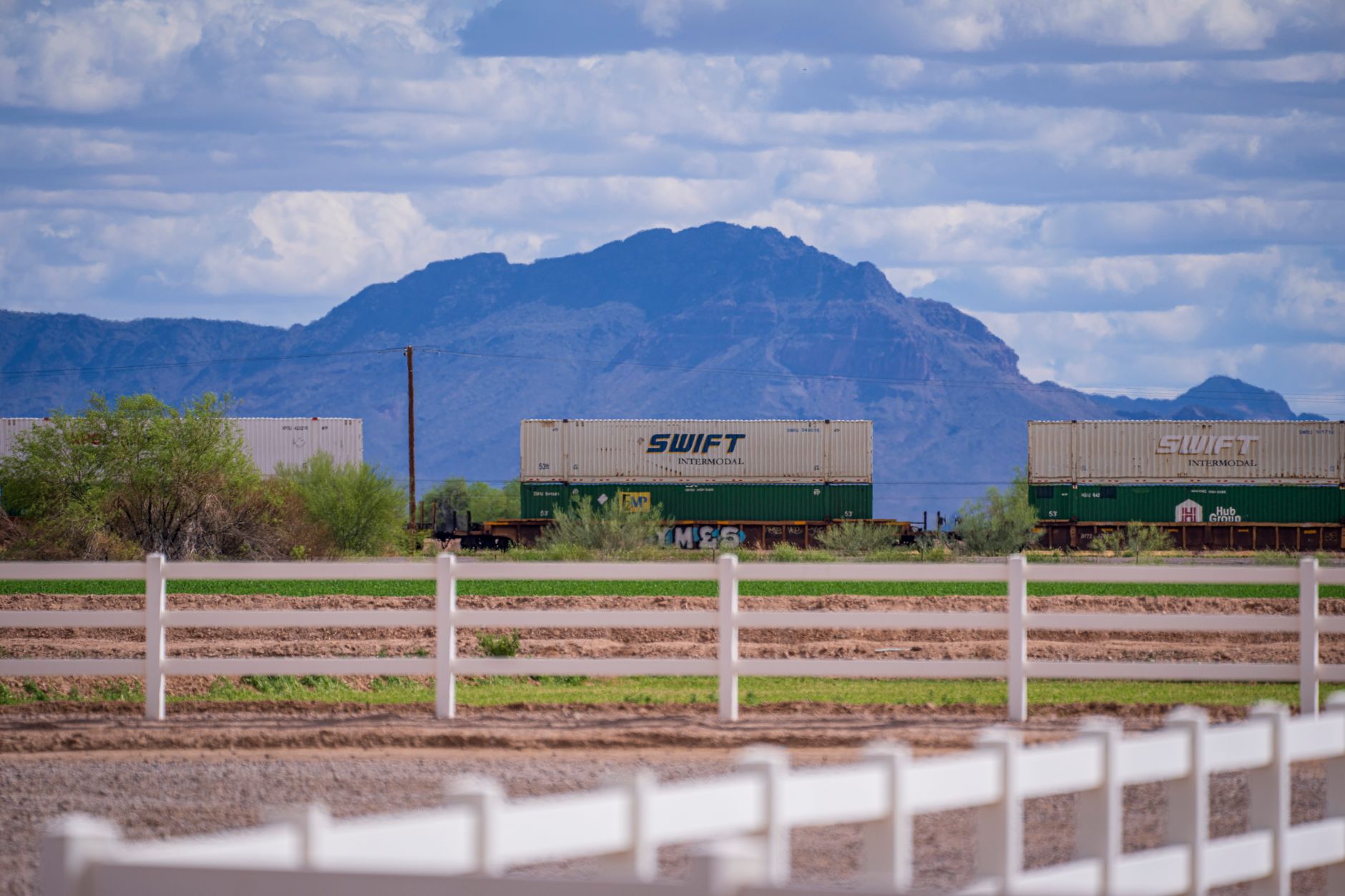
Programs typically run 3–6 weeks: classroom (regulations, logs, safety), range practice (backing, maneuvering), road training. Swift Academy: 4 weeks, $0 tuition, $500/week stipend, 1-year commitment. Schneider: 4–5 weeks, paid training, 1-year contract. Werner: 4 weeks, $0 down, 1-year obligation. Prime: 3–4 weeks, $0 tuition, 1-year commitment. Upon passing CDL test, you're hired as company driver with mentor for first 2–4 weeks. Contract breach (quitting early, failing drug test) triggers repayment ($3,000–7,000). Read: repayment terms, what counts as breach, whether obligation transfers if company terminates you.
Benefits: Zero Upfront Cost and Guaranteed Employment
Primary benefit: avoid $3,000–8,000 in CDL school tuition. For those without savings or credit, company-sponsored training is the only feasible path. Employment guaranteed upon graduation—no job-search uncertainty. Training tailored to company equipment (Freightliner, Peterbilt, Kenworth). Mentorship during first weeks helps new drivers adapt. For many, company-sponsored CDL training is the fastest route to a trucking career.
Trade-Offs and What to Watch
Starting pay: $0.45–0.50/mile for company-trained vs. $0.55–0.65 for drivers who trained elsewhere. Route assignments during commitment may favor company needs. Contract breach can trigger full repayment—sometimes due immediately. Research carrier: check FMCSA SAFER system for safety record, read driver reviews on TruckersReport and Indeed. Carriers with better reputations: Schneider, Prime, Roehl. Compare multiple programs before committing. The benefits are real—but so are the obligations.
Alternatives: Private CDL Schools and Paid Training
Private CDL schools (community colleges $3,000–5,000, trade schools $5,000–8,000) charge tuition but offer no employment obligation. Graduates can choose any carrier. Some carriers (JB Hunt, Schneider) reimburse tuition for private school graduates—$5,000–7,000 after 1 year. Paid training (earn while you learn) exists at Knight-Swift and others but is less common. Weigh total cost: private school tuition vs. contract obligation and potential repayment. For those who want flexibility, private school may be worth the investment.
Eligibility and Prerequisites
Requirements: age 21+ for interstate (18+ intrastate in some states), clean driving record (no major violations in 3 years), pass DOT physical ($75–150), pass drug screening. Some carriers: no recent bankruptcies, height/weight for cab fit. Prepare for written permit test before applying—many programs expect you to arrive with learner's permit. Study: CDL Prep app (free), state DMV manual. Apply to multiple programs to compare offers.
Life on the Road: What to Expect
Over-the-road (OTR): away 2–4 weeks; regional: home weekly; local: home daily. Starting pay: $45,000–55,000 annually for company-trained drivers. Experience and specialization (hazmat +$0.05–0.10/mile, tanker, dedicated routes) increase earnings. Lifestyle suits those who enjoy independence and travel. Many drivers thrive; others use experience as stepping stone to local or specialized roles.
Application Process and Timeline
Apply online at carrier websites (Swift, Schneider, Werner, Prime). Process: submit application, phone screening, background check (1–2 weeks), schedule training start date. Some carriers require you to obtain your learner's permit before arrival—study state CDL manual, take practice tests. Bring: valid ID, DOT physical certificate, permit (if required), and funds for personal expenses during training. Training start dates fill quickly—apply 2–4 weeks before your desired start. Upon graduation, you'll receive your CDL and begin driving with a mentor.
Career Advancement After the Commitment
After fulfilling your 1–2 year commitment, options expand. Switch to higher-paying carriers (Walmart Private Fleet $80,000+, Sysco $70,000+). Pursue specialized endorsements: hazmat ($0.05–0.15/mile premium), tanker, doubles/triples. Consider owner-operator path—lease or purchase a truck; earnings $80,000–150,000+ but require business skills. Local and regional roles offer more home time. Company-sponsored CDL training opens the door; experience and specialization build long-term earning potential.
Conclusion
Company-sponsored CDL training removes the biggest barrier—tuition cost. Swift, Schneider, Werner, and Prime offer $0 tuition in exchange for 1–2 year commitments. Benefits: zero upfront investment, guaranteed employment, mentorship. Trade-offs: lower starting pay, route restrictions, repayment if you leave early. Read contracts carefully; research carrier safety and driver reviews. For many, company-sponsored training is the fastest route to the driver's seat. The trucking industry needs drivers—this path addresses both the workforce shortage and the barrier of cost.
Before you apply: obtain your CDL learner's permit—study your state's manual and take practice tests (CDL Prep app, state DMV site). Get a DOT physical from a certified examiner ($75–150); find one at fmcsa.dot.gov. Have a plan for personal expenses during training—stipends may not cover everything. Discuss the commitment with family—OTR means weeks away. Pack for training: work boots, comfortable clothes, personal items. The 3–6 week program is intensive; come prepared to focus and learn.
Carrier comparison: Swift has the largest training program and fleet; good for those who want options. Schneider emphasizes work-life balance and has strong driver retention. Prime offers both company and lease-purchase paths. Werner has a reputation for training quality. Roehl focuses on regional and home-weekly routes. CR England has been criticized for driver treatment—read recent reviews. Apply to 3–5 carriers to compare offers; response times and contract terms vary. The best fit depends on your priorities: home time, pay, or route type.