

Discover Accessible Sterile Processing Education
Sterile processing technicians (SPTs) are the backbone of infection prevention in healthcare—decontaminating, assembling, sterilising, and distributing surgical instruments and medical devices. Accessible education pathways include 6–12 month programs at community colleges, vocational schools, and online-hybrid institutions. Curriculum covers decontamination techniques, instrument assembly, sterilisation methods (steam, ethylene oxide, hydrogen peroxide), and distribution logistics. CRCST (Certified Registered Central Service Technician) certification from IAHCSMM is the industry standard; many employers require or prefer it. Programs combine online didactic coursework with in-person labs and clinical rotations at hospitals or surgery centres. Demand is strong: hospitals, ambulatory surgery centres, dental clinics, and outpatient facilities hire SPTs. This guide covers program options, certification, and career pathways.
Program Structure and Curriculum
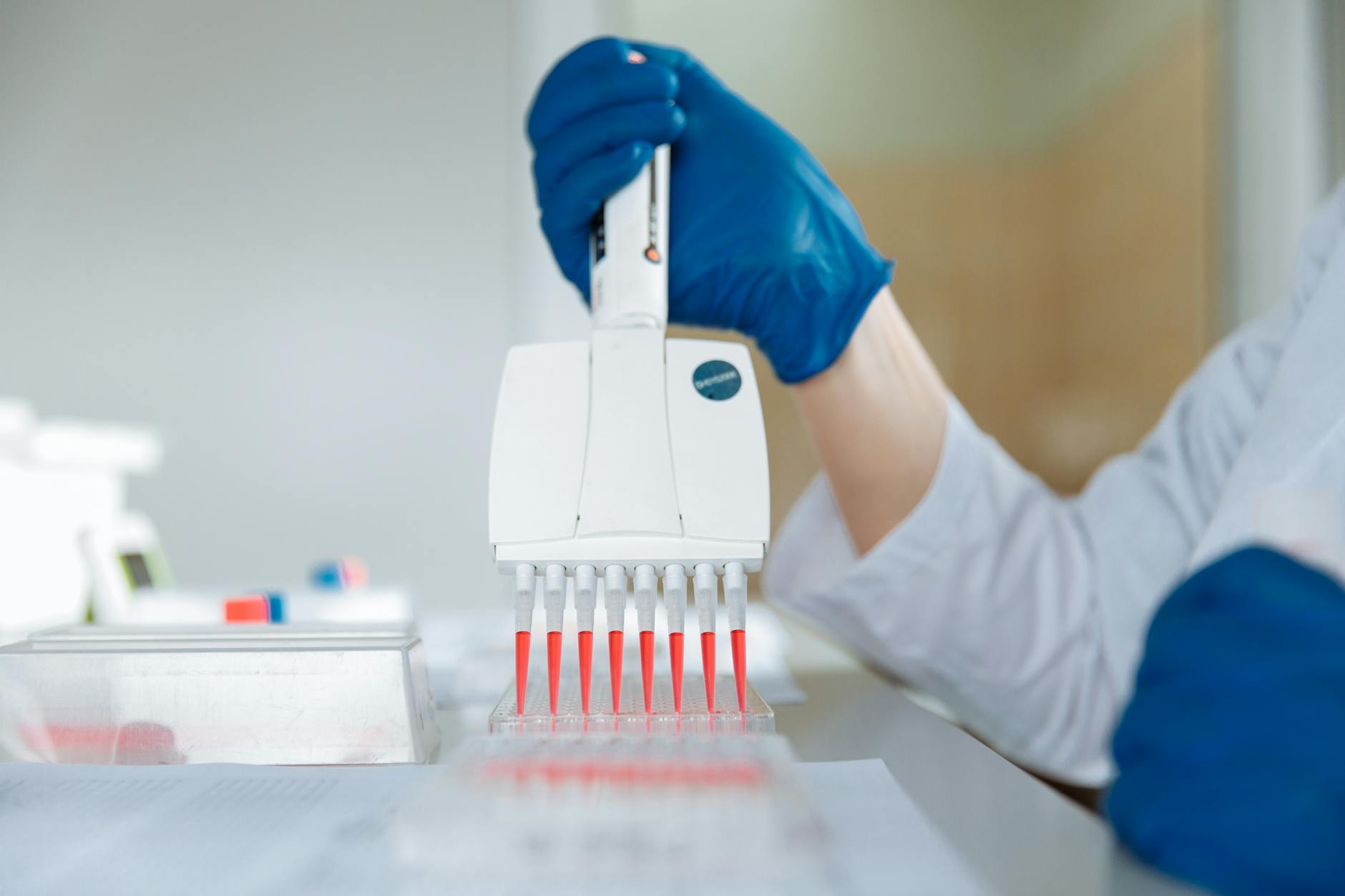
Sterile processing programs typically run 6–12 months. Didactic content covers microbiology, anatomy, infection control, and instrument identification. Lab components teach hands-on skills: decontamination (manual and mechanical cleaning), assembly and inspection of instrument sets, packaging, and sterilisation cycle operation. Clinical rotations place students in hospital central sterile or surgery centre SPD departments under supervision. Online-hybrid programs allow you to complete theory remotely and attend labs and clinicals on-site—ideal for working adults. Prerequisites vary; most require a high school diploma or GED. Tuition ranges from $2,000–$8,000; financial aid and workforce development grants may apply. Ensure the program is recognised by IAHCSMM for CRCST exam eligibility.
CRCST Certification
The CRCST exam from IAHCSMM tests knowledge of decontamination, preparation and packaging, sterilisation and disinfection, and storage and distribution. Eligibility requires completion of an approved program or equivalent experience. Some states mandate certification; others strongly prefer it. Exam fees run approximately $125; recertification every five years requires continuing education. CRCST holders demonstrate competency to employers and may command higher starting wages. Study resources include IAHCSMM's official materials and third-party review courses. Schedule the exam soon after completing your program while content is fresh.
Career Outlook and Settings
SPTs work in hospitals (operating rooms, central sterile), ambulatory surgery centres, dental clinics, endoscopy centres, and outpatient facilities. Entry-level wages typically range from $15–22 per hour; experienced technicians and leads earn more. Shift work is common—hospitals operate 24/7, so evening, night, and weekend positions exist. Advancement paths include lead technician, educator, or manager. The role requires attention to detail, ability to follow strict protocols, and physical stamina (standing, lifting instrument sets). Discover accessible sterile processing education by researching programs in your area, verifying IAHCSMM recognition, and exploring financial aid options—then take the first step toward a stable healthcare career.
Skills and Day-to-Day Work
SPTs receive soiled instruments from surgery, disassemble and clean them (manual scrubbing, ultrasonic, washer-disinfectors), inspect for damage, reassemble into sets per surgeon preference cards, wrap or containerise, and load sterilizers. They document cycles, monitor chemical and biological indicators, and distribute sterile sets to OR and other departments. Knowledge of instrument names, functions, and proper handling is essential. Strict adherence to protocols prevents surgical site infections and protects patients. The work is critical though often behind the scenes—SPTs rarely interact with patients but are essential to safe care.
Financial Aid and Program Selection
Federal financial aid (FAFSA) may apply to programs at accredited institutions. Workforce development grants (WIOA in the US) often fund healthcare training for eligible individuals. Some employers offer tuition reimbursement for employees pursuing sterile processing certification. Compare program costs, length, and outcomes—graduation rates, certification pass rates, and job placement. Visit campuses or attend virtual open houses to meet instructors and see lab facilities. Ensure clinical rotation sites are established; without clinical experience, you cannot sit for the CRCST exam. Many community colleges offer sterile processing programs at a fraction of the cost of for-profit schools; verify accreditation and IAHCSMM recognition before enrolling. Scholarships through professional associations (IAHCSMM, HSPA) may be available for qualified students.
Online-Hybrid Accessibility
Online-hybrid programs make sterile processing education accessible to those who cannot attend full-time on campus. Didactic content—microbiology, infection control, instrument identification—can be completed asynchronously. Labs and clinicals require in-person attendance; programs may offer weekend or evening options. This flexibility suits working adults, parents, and those in rural areas.
The healthcare industry faces ongoing demand for sterile processing technicians; surgical volume continues to grow, and infection prevention remains a top priority. Discover accessible sterile processing education by researching programs in your area, verifying IAHCSMM recognition, and exploring financial aid—then take the first step toward a stable healthcare career. The combination of short training, strong demand, and meaningful work makes sterile processing an attractive option for career changers and those entering healthcare for the first time.
Job Search and Interview Preparation
After certification, target hospitals, surgery centres, and dental clinics. Highlight your CRCST credential and clinical experience on your resume. Be prepared to discuss decontamination protocols, sterilisation methods, and your attention to detail. Many facilities hire new graduates; turnover creates ongoing openings. Consider per-diem or part-time positions to gain experience before committing to full-time. The sterile processing field rewards reliability and precision—demonstrate these in your application and interviews.