

Dental Implants: Restoring Your Oral Health and Smile
Dental implants replace missing teeth with titanium posts anchored in the jaw, topped by custom crowns. They preserve bone (unlike bridges, which don't stimulate the jaw), avoid grinding down adjacent teeth, and feel and function like natural teeth. The process typically takes 3–6 months: implant placement, healing (osseointegration—bone fusing to the implant), then abutment and crown. Cost per implant runs $3,000–$6,000 in the U.S.—Nobel Biocare and Straumann implants command premium pricing; budget brands like BioHorizons cost less. Full-mouth restoration can exceed $30,000. Insurance often covers little; CareCredit offers 0% financing for 12–24 months on qualified purchases. Implants have a 95%+ success rate when placed by qualified providers. This guide covers candidacy, the procedure, care, and financing.
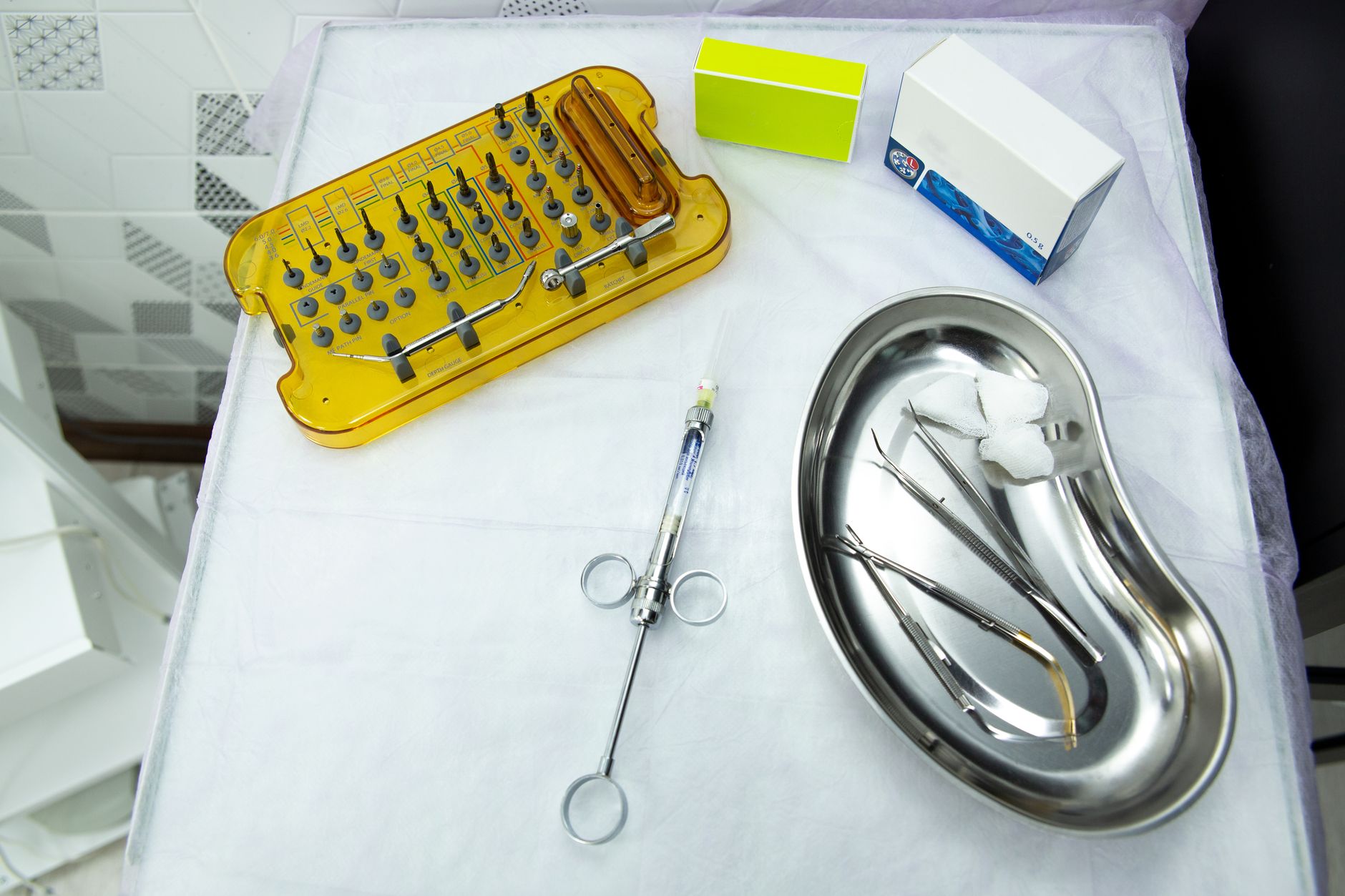
Candidacy and the Procedure
Good candidates have adequate bone density and healthy gums. Smokers face 2–3x higher failure rates; quitting 2 weeks before and 8 weeks after surgery improves outcomes. Uncontrolled diabetics (A1C above 7) face higher failure; manage blood sugar before proceeding. Bone grafts may be needed if the jaw has resorbed—sinus lifts add $1,500–$3,000 and 3–6 months. The implant surgery is done under local anesthesia; IV sedation adds $300–$600. Most patients resume normal activity within a day. Healing takes 2–6 months before abutment and crown. Same-day implants (immediate load) exist for select cases with sufficient bone—Nobel Biocare's All-on-4 protocol uses 4 implants per arch.
Single vs. Multiple Implants and Alternatives
Single implants replace one tooth; multiple implants can support a bridge or full arch. Implant-supported dentures (locator or bar-retained) offer stability without adhesives—$15,000–$30,000 per arch. Alternatives: traditional bridges ($2,000–$5,000, require grinding adjacent teeth), removable partial dentures ($1,000–$3,000), full dentures ($1,500–$4,000). Implants last decades; crowns may need replacement every 10–15 years ($1,000–$2,000).
Care and Longevity
Implants require the same care as natural teeth: brushing twice daily with soft bristles, flossing (Waterpik or interdental brushes work well), and checkups every 6 months. Peri-implantitis—gum disease around the implant—can cause failure; symptoms include bleeding, swelling, and loosening. Avoid using implants to open packages or bite hard objects. Professional cleanings ($100–$200) should include implant-specific protocols.
Managing Cost and Financing
Dental insurance often excludes implants or caps benefits at $1,500–$2,000. CareCredit, LendingClub, and in-office plans (e.g., 12 months 0% at $250/month for a $3,000 implant) spread payments. Some practices offer membership plans with 10–20% implant discounts. Dental schools (UCLA, NYU, local programs) provide care at 30–50% discount; expect longer timelines. Dental tourism to Mexico (Los Algodones, Cancún) or Costa Rica can cut costs 50–70%—implants $800–$1,500—but adds travel, follow-up complexity, and potential quality concerns. Compare total cost: implant, abutment ($500–$800), crown ($1,000–$2,000), and any bone graft.
Recovery and What to Expect
Post-op: expect swelling and discomfort for 2–3 days; ibuprofen 600mg every 6 hours and ice (20 min on, 20 min off) help. Stick to soft foods (yogurt, soup, mashed potatoes) for 5–7 days. Avoid chewing on the implant site for 2 weeks. Your provider may prescribe amoxicillin 500mg 3x daily for 7 days. Temporary healing caps protect the implant during osseointegration. Avoid smoking and strenuous activity for 48–72 hours. Call your provider for severe pain, excessive bleeding, or fever above 101°F.
All-on-4 and Full-Arch Options
All-on-4 and similar protocols (Teeth in a Day, same-day smile) use four to six implants to support a full arch, often with same-day provisional restorations. Cost: $20,000–$40,000 per arch. This suits patients missing all teeth or facing full extraction. It reduces cost versus 8–10 individual implants and shortens treatment. Not everyone is a candidate—adequate bone in the anterior region and proper case selection matter. The result can be life-changing for those who have struggled with dentures.
Choosing a Provider
Look for providers with implant-specific training—periodontists, oral surgeons, and general dentists with implant credentials. Ask how many implants they place annually; high-volume practices (100+ per year) typically have refined protocols. Check reviews on Google, Healthgrades, and Zocdoc. Request before-and-after photos of cases similar to yours. Get written treatment plans with itemized costs—implant, abutment, crown, bone graft if needed—so you can compare across providers. Avoid providers who pressure you into same-day decisions or offer unusually low prices without clear explanation.
Implant brands matter for longevity and compatibility. Nobel Biocare and Straumann are premium brands with decades of clinical data; Zimmer Biomet and BioHorizons offer solid mid-tier options. Ask which brand your provider uses and whether replacement parts will be available in 20+ years. Some discount providers use lesser-known brands that may complicate future repairs.
Troubleshooting Common Issues
Mild discomfort for a few days is normal; severe or worsening pain warrants a call to your provider. Temporary numbness in the lip or chin can occur if the implant is near a nerve—usually resolves within weeks. Loose healing cap: avoid touching it; schedule a visit to have it tightened. Exposed threads: sometimes visible if gum recedes; your provider may add a small gum graft. If the implant feels loose months after placement, contact your provider immediately—early intervention can save the implant.
Long-term success depends on oral hygiene and regular checkups. Brush twice daily with a soft brush; avoid aggressive scrubbing at the gum line. Floss or use interdental brushes around the implant. Professional cleanings every 6 months should include scaling around the implant. Report any bleeding, swelling, or bad taste—these can signal peri-implantitis. With proper care, most implants last 25+ years or a lifetime.