

Delving Into Feline Nutrition Choosing The Right Cat Food
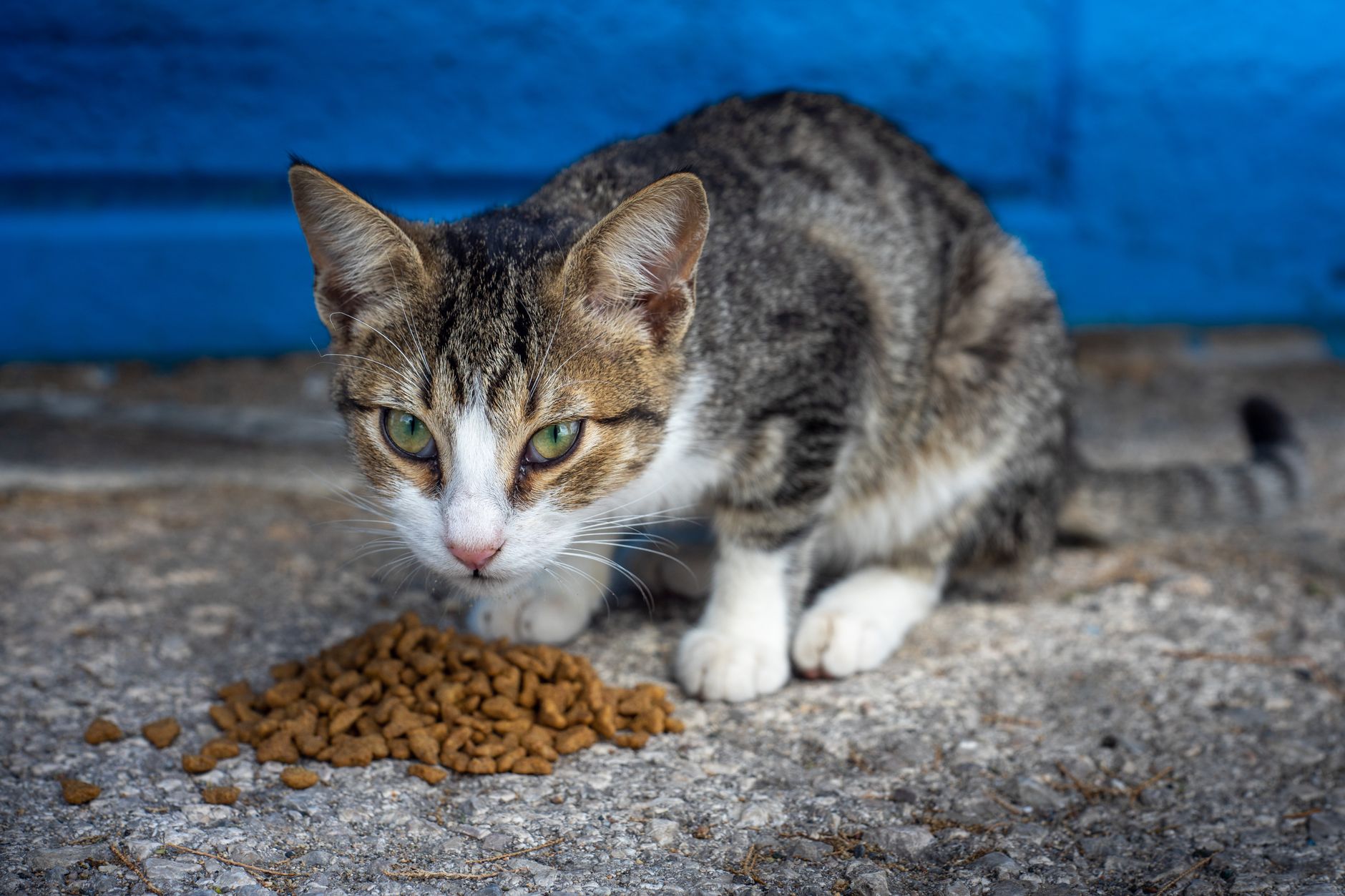
Cats are obligate carnivores: they need animal protein to thrive. The right food supports a shiny coat, healthy weight, and good energy. With dozens of brands and formulas on the shelf, choosing can feel overwhelming. A few principles make it easier.
Cats can't produce certain nutrients—taurine, for example—and must get them from animal tissue. Plant-based cat food doesn't meet their needs. That doesn't mean you need the most expensive brand. Mid-range options with solid ingredients often work as well as premium formulas. The trick is knowing what to look for and what to avoid.
Reading the Label
The first ingredient should be a named meat—chicken, beef, fish—not a by-product or grain. Protein content of 30% or higher (dry matter basis) is a good target for most adult cats. Avoid long lists of fillers like corn, wheat, and soy. Some cats do well on grain-inclusive diets; others need grain-free. Your vet can help if your cat has sensitivities.
Dry matter basis means recalculating after removing moisture. A wet food that's 10% protein and 78% moisture has roughly 45% protein on a dry matter basis—that's solid. "Chicken by-product meal" isn't inherently bad—it includes organ meat and can be nutritious—but "chicken" or "chicken meal" as the first ingredient usually indicates a higher-quality formula. Look for an AAFCO statement: it should say the food meets nutritional profiles for the appropriate life stage.
Wet vs. Dry
Wet food has more moisture, which helps cats stay hydrated—important since many don't drink enough. Dry food is convenient and can help keep teeth cleaner, though dental health also depends on genetics and care. Many owners feed a mix: wet for one or two meals, dry for the rest. Portion control matters with both to avoid weight gain.
Cats evolved to get most of their water from prey; some barely touch a water bowl. Wet food is 70–80% moisture, which reduces the risk of urinary crystals and kidney stress. Dry food is cheaper per calorie and easier to leave out for free-feeding, but it's easy to overfeed. A 10-pound cat typically needs 200–250 calories per day; check the bag or can for calorie content and measure portions.
Free-feeding dry food works for some cats; others will overeat. If your cat is overweight, switch to measured meals twice daily. Puzzle feeders and slow-feed bowls can slow down fast eaters. Some cats prefer grazing; if that's the case, measure the day's portion and leave it out rather than refilling on demand.
Life Stage and Special Needs
Kittens need more calories and specific nutrients for growth. Senior cats may benefit from formulas with joint support or easier digestion. Cats with kidney disease, diabetes, or urinary issues often need prescription or therapeutic diets. Your vet can recommend a formula and feeding plan tailored to your cat's age and health.
Kitten food usually runs until 12 months. Senior formulas often start at 7 years, though "mature" and "senior" labels vary by brand. Prescription diets—Hill's k/d for kidney disease, Purina DM for diabetes—require a vet's approval. They're more expensive but can extend quality of life. Over-the-counter "urinary" or "hairball" formulas may help mild cases; for recurrent issues, get a vet's input.
Switching Foods
Change gradually over 5–7 days. Mix a small amount of the new food with the old, then increase the proportion. Sudden switches can cause upset stomach or refusal to eat. If your cat is picky, try a few options in small quantities before committing to a large bag or case.
Day 1–2: 25% new, 75% old. Day 3–4: 50-50. Day 5–7: 75% new, 25% old. Some cats transition in 3 days; others need 10. If your cat stops eating entirely for more than 24 hours, contact your vet. Cats can develop hepatic lipidosis if they go without food too long. For picky eaters, rotating flavors within a brand can add variety without upsetting the stomach.
Toppers—a sprinkle of freeze-dried chicken or a bit of bone broth—can make a new food more appealing. Warm the wet food slightly; some cats prefer it at room temperature or slightly warm. If your cat has a sensitive stomach, stick to one protein source at a time. Chicken, then fish, then beef—spaced out—helps you identify what works.