

Crafting A Clean Workspace Insights And Innovations In Office Cleaning
Post-pandemic office cleaning has evolved. High-touch surface disinfection, air quality monitoring, and green products are now standard. Electrostatic sprayers (Clorox Total 360, Victory Sprayer) and UV-C devices (Luminaire, PurpleSun) supplement traditional wiping. Scheduled deep cleans, day porter services, and carpet care maintain appearance and hygiene. IoT sensors from companies like SoftBank Robotics (Whiz vacuum) and Avidbots (Nova floor scrubber) track foot traffic and cleanliness metrics. Antimicrobial surfaces (copper alloys, treated materials) and touchless dispensers (GOJO, Kimberly-Clark) reduce cross-contamination. This guide covers modern practices, innovation trends, and how to maintain a clean workspace that supports employee health and productivity.
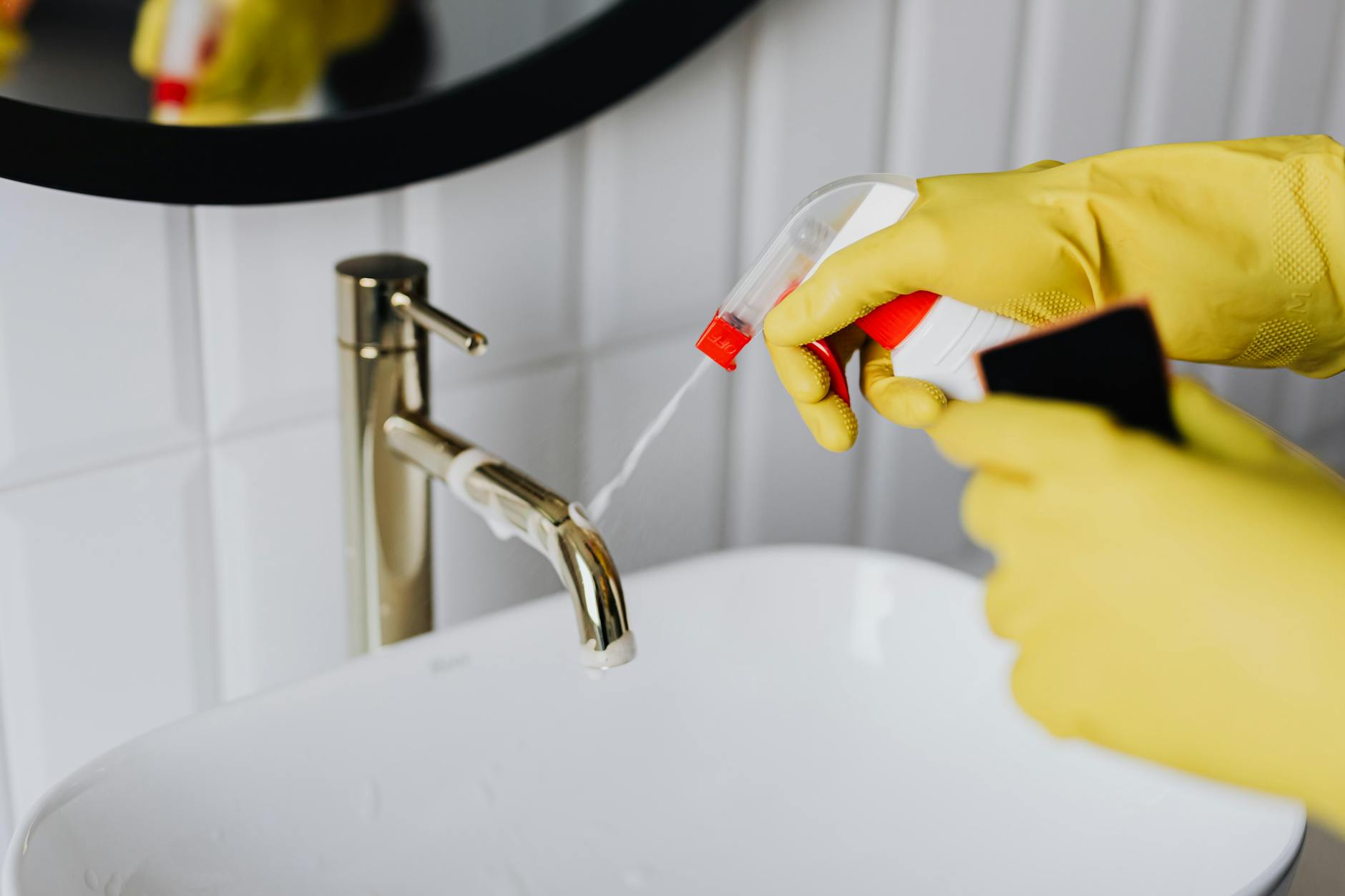
Modern Practices: Protocols and Frequency
High-touch surfaces—desks, doorknobs, elevator buttons, restrooms—require daily or more frequent disinfection. EPA List N disinfectants (Lysol, Clorox, Diversey Oxivir) are effective against pathogens; dwell times (typically 1–10 minutes) must be followed. Deep cleans: weekly or biweekly for carpets, windows, and detailed dusting. Day porter services provide ongoing tidying, restroom checks, and spot cleaning during business hours—typically $18–28/hour per porter. Carpet care: vacuuming daily; extraction (e.g., ProChem ProMax) and encapsulation on a schedule. Floor care: strip and wax annually; burnish regularly for vinyl. Tailor frequency to traffic; a 100-person office may need daily restroom disinfection and weekly carpet extraction.
Green Cleaning and Sustainability
Green Seal, EcoLogo, and EPA Safer Choice certified products reduce chemical exposure. Examples: Green Seal GS-37 all-purpose cleaners, Seventh Generation, Method. Concentrated products (dilution ratios 1:64 to 1:256) reduce packaging and shipping. Microfiber cloths and mops (Unger, Rubbermaid) reduce chemical use and improve capture—color-coded systems (red for restrooms, green for general) prevent cross-contamination. Sustainable practices support ESG goals and employee preferences; LEED credits reward green cleaning programs.
Innovation Trends: IoT, Robotics, and Touchless
IoT sensors monitor restroom supplies (Smart restroom systems from Kimberly-Clark, GOJO), foot traffic, and air quality (Awair, Airthings). Data informs cleaning schedules—clean high-traffic areas more often. Robotics: autonomous floor scrubbers (Avidbots Nova, $30,000–50,000; iRobot commercial) and vacuums (SoftBank Whiz) handle large areas; human staff focus on detail work. Touchless soap, towel, and sanitizer dispensers reduce contact. Antimicrobial surfaces: copper alloys (EPA-registered) and treated materials inhibit pathogen growth. Adopt what fits your facility and budget.
Selecting a Cleaning Provider
In-house offers control and continuity; contracted offers flexibility and specialized expertise. Major contractors: ABM, Jani-King, ServiceMaster, Crothall. Vet providers on training, insurance (general liability $1M+), and references. Define scope: frequency (daily, 3x/week), areas (restrooms, break rooms, common areas), tasks, and quality standards. Inspect regularly with checklists; provide feedback. Contracted rates: $0.08–0.15 per square foot monthly for standard office cleaning. Partnership between facility managers and cleaning teams drives results.
Employee Health and Productivity
Clean workspaces support employee health—reducing sick days and allergens. Studies link poor indoor air quality to 2–5% productivity loss. Good air quality (MERV-13+ filters, adequate ventilation) and surface hygiene contribute to productivity. Employees notice neglected cleaning; investing in a clean workspace signals care for the workforce. It is about creating an environment where people can do their best work.
Cleaning Schedules and Frequency
Daily: restrooms, high-touch surfaces, trash, vacuuming. Weekly: deep dusting, floor mopping, window cleaning. Monthly: carpet extraction, detailed break room cleaning. Quarterly: strip and wax floors, deep clean HVAC grilles. Healthcare and food service require more stringent protocols. Match the schedule to the facility; smart scheduling cleans when it matters most.
Training and Quality Assurance
Cleaning staff need training on products (dilution, dwell time), equipment (floor machines, extractors), and protocols. Cross-training enables flexibility. Quality assurance: regular inspections, checklists (restroom supply levels, floor condition, odor), and feedback. Address issues promptly. Invest in training and support; accountability systems ensure consistent quality.
Product Selection and Equipment
EPA List N disinfectants: Clorox Pro Results ($8–12/gallon), Lysol Professional ($6–10/gallon), Diversey Oxivir ($15–25/gallon). All-purpose cleaners: Green Seal GS-37 products from Diversey, Spartan, or Ecolab. Microfiber: Unger system ($50–100 per set), Rubbermaid Commercial ($30–60). Floor machines: Clarke ES20 scrubber, Advance AutoScrubber, Tennant T7. Carpet extraction: ProChem ProMax, Von Schrader. Match products to your facility size and traffic.
Restroom cleaning protocol: Daily wipe of all high-touch surfaces (faucets, handles, dispensers) with disinfectant; refill soap, paper, sanitizer; mop floors. Weekly: deep clean toilets, urinals, partitions; descale fixtures. Use color-coded cloths—red for toilets, green for general—to prevent cross-contamination. Break room: daily wipe of tables, counters, appliance handles; weekly clean inside microwaves and refrigerators. Trash: empty daily; line cans with bags; replace when soiled.
Budget benchmarks: Small office (5,000 sq ft): $400–750/month contracted. Mid-size (20,000 sq ft): $1,600–3,000/month. Large (100,000 sq ft): $8,000–15,000/month. In-house costs include labor ($14–20/hour), supplies ($0.02–0.05/sq ft/month), equipment (amortized). Request itemized quotes; negotiate annual contracts for 5–10% savings. Include key performance indicators in contracts: restroom supply levels, floor appearance scores, response time for spill cleanup.
A clean workspace is a productive workspace. Effective office cleaning supports employee health, reduces absenteeism, and creates a positive impression. The investment in quality cleaning pays dividends in morale and performance. Define standards, implement consistently, and adapt as needs change.