

Classic Scents: Iconic Perfumes
Some fragrances have been around for decades and still sell millions of bottles each year. They've earned their place through consistent quality and a recognizable character. Whether you're new to perfume or expanding your collection, these classics are worth knowing.
The perfume aisle can feel overwhelming. Hundreds of bottles, each promising something different. Starting with a handful of well-established names gives you a baseline—you learn what "floral" or "woody" means in practice. From there, you can branch out to niche brands or newer releases with a clearer sense of your preferences.
Why Classics Endure
Iconic perfumes often balance several notes—floral, woody, citrus, or musk—in a way that feels familiar but not boring. They're designed to wear well in many situations, from office to evening. Reformulations happen over the years due to ingredient restrictions, but the best-known classics keep a recognizable core.
EU regulations from 2005 and 2012 limited or banned certain ingredients—oakmoss, some musks—that had been staples. Perfume houses reformulated to comply. Purists notice differences; most wearers still recognize the scent. The fact that these fragrances survive reformulation says something about how strong their core idea is.
Trying Before You Buy
Skin chemistry affects how a fragrance smells on you. Spray on your wrist or inner elbow and wait 15–20 minutes before judging. What you smell in the bottle can differ from the dry-down. Many department stores and specialty shops offer samples; use them to narrow down your choices before committing to a full bottle.
Don't test more than three or four scents in one session. Your nose fatigues quickly. If you're between two options, wear each for a full day on different days. How it smells at hour six matters as much as the first spray. Notes that develop over time—base notes like sandalwood or vanilla—often define whether you'll reach for a bottle again.
Sample sets are a cost-effective way to explore. Many brands sell discovery sets of 5–10 mini vials for $25–50. You get several wears per vial, enough to decide if a full bottle is worth it. Niche brands often rely on samples for discovery since they're harder to find in stores.
A Few Names to Know
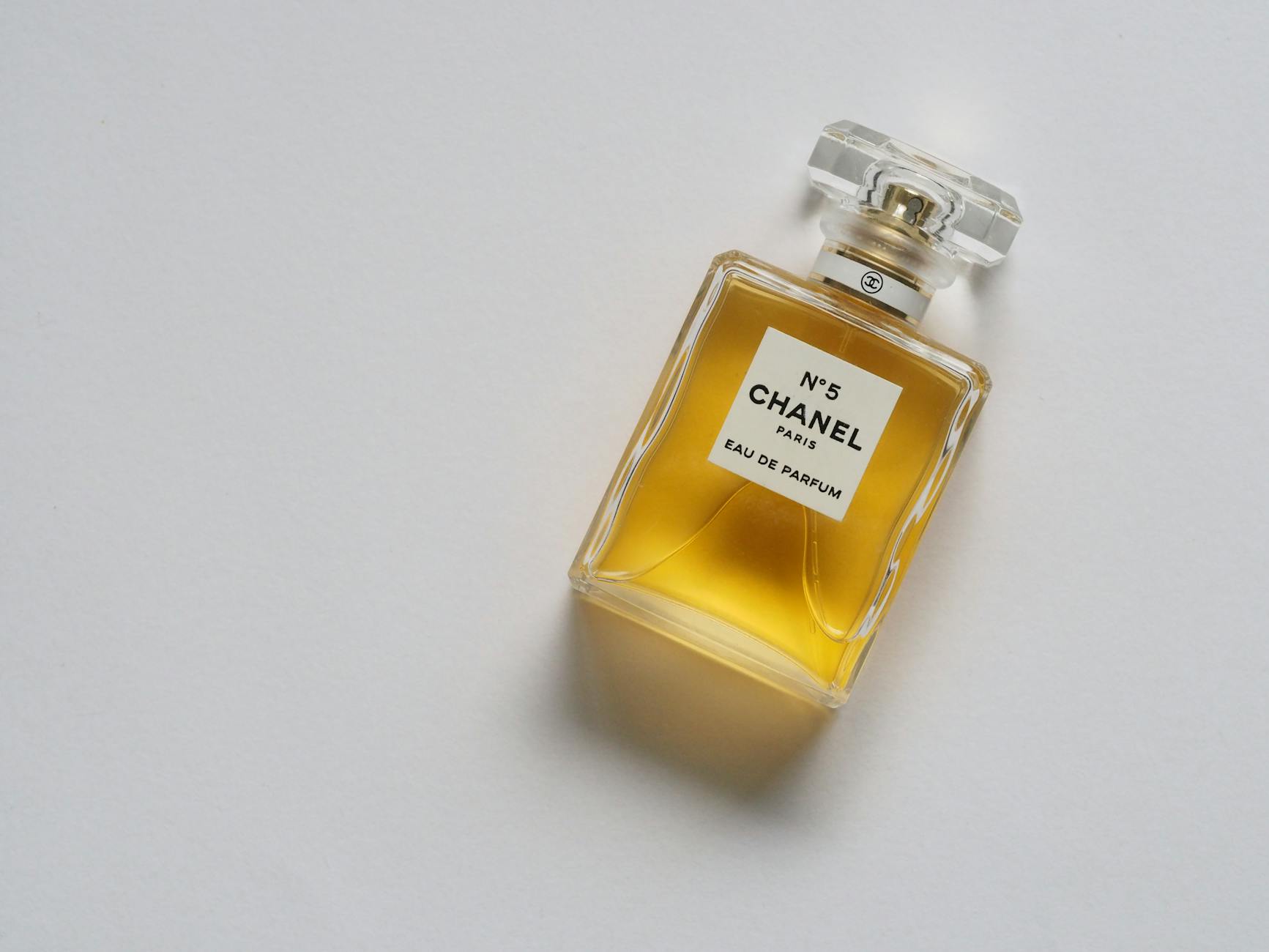
Chanel No. 5, Dior J'adore, and Guerlain Shalimar are often cited as landmarks. Each has a distinct profile: No. 5 is aldehydic and floral, J'adore is bright and floral, Shalimar is oriental and warm. Your preference will depend on whether you lean toward fresh, floral, woody, or spicy. Exploring a few of these gives you a sense of the range.
No. 5 launched in 1921 and remains one of the best-selling perfumes globally. Shalimar, from 1925, was one of the first orientals. J'adore, from 1999, is newer but has become a modern classic—clean, floral, easy to wear. Beyond these, names like Terre d'Hermès, Acqua di Gio, and Bleu de Chanel have built loyal followings over the past two decades.
Storage and Longevity
Keep bottles away from direct sunlight and extreme heat. A cool, dark cupboard works well. Properly stored, many perfumes stay stable for years. If a scent starts to smell off or change color noticeably, it may be past its prime. Otherwise, classic fragrances often age gracefully.
Citrus-heavy fragrances tend to fade faster—often 2–3 years—while woody and oriental scents can last 5–10 years or more. The box helps; keep it if you want extra protection. Avoid storing in the bathroom; humidity and temperature swings shorten lifespan. A bedroom dresser drawer is a solid choice.
Spray bottles tend to last longer than dab-on versions; less air reaches the liquid. If you have a large collection, rotate through bottles rather than opening several at once. A 50ml bottle used a few times a week can last a year or more. There's no need to rush—take your time finding scents you'll actually wear.