

Bad Breath Uncovered: A Practical Overview: A Practical Overview
Bad breath (halitosis) affects an estimated 25–30% of the global population and can harm confidence and relationships. Most cases stem from oral causes: bacteria on the tongue, gum disease, dry mouth, or food debris. Less often, systemic conditions—sinus infections, acid reflux, diabetes, liver or kidney disease—contribute. This guide covers causes, prevention, improvement strategies, and when to see a doctor. Practical, evidence-based steps can resolve or significantly reduce bad breath for most people.
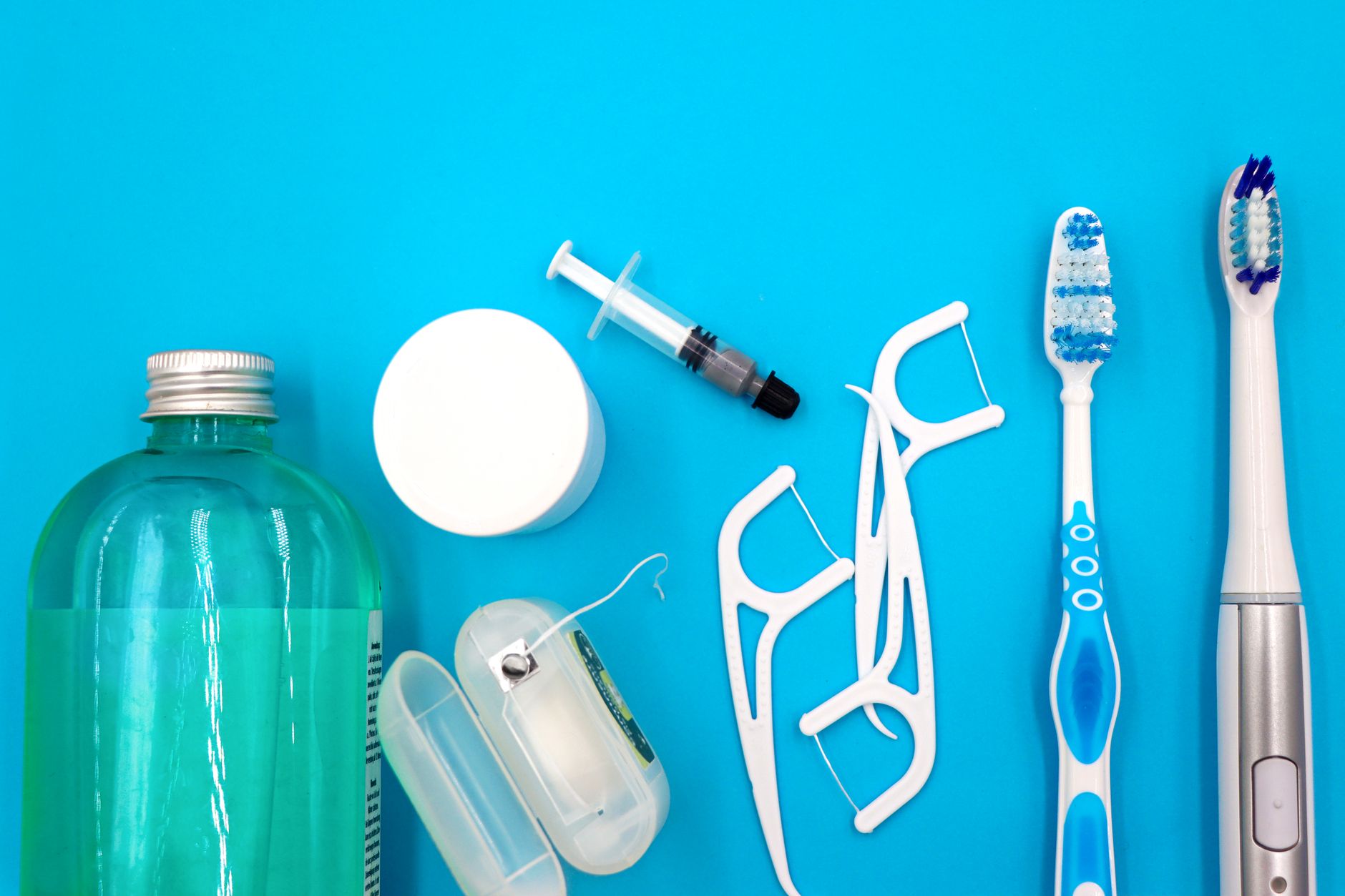
Oral Causes and Mechanisms
Bacteria on the tongue (especially the back third) produce volatile sulfur compounds (VSCs)—hydrogen sulfide, methyl mercaptan—the main odor. Tongue cleaning with a scraper (e.g., OraBrush $8, GUM Halitosis $6) or toothbrush reduces this; scrape from back to front, rinse. Gum disease (gingivitis, periodontitis) causes persistent bad breath; professional cleaning ($75–200) and treatment are needed. Dry mouth (xerostomia) reduces saliva; medications (antihistamines, antidepressants, blood pressure drugs), mouth breathing, and dehydration contribute. Food particles between teeth and in cavities harbor bacteria. Improving oral hygiene—brushing twice daily for 2 minutes, flossing daily, tongue cleaning, and dental cleanings every 6 months—addresses most cases.
Prevention and Daily Care
Brush teeth and tongue for 2 minutes twice daily with fluoride toothpaste (Crest, Colgate, Sensodyne). Floss daily—water flossers (Waterpik $50–100) can help. Mouthwash: chlorhexidine (prescription, short-term) or OTC with cetylpyridinium chloride (Listerine Total Care, Scope); avoid alcohol-based rinses if you have dry mouth. Stay hydrated—aim for 8 glasses daily. Limit garlic, onions, strong spices before social situations. Chew sugar-free gum (Trident, Orbit) to stimulate saliva. Replace toothbrush every 3 months. Dental cleanings every 6 months ($75–200 without insurance) catch gum disease early.
When Oral Care Is Not Enough
If bad breath persists despite good hygiene, see a dentist to rule out gum disease, cavities, or oral infections. If the dentist finds nothing, consider medical causes: sinusitis, postnasal drip, acid reflux (GERD), tonsil stones, or systemic conditions. A doctor can evaluate. Tonsil stones (white/yellow debris in tonsil crypts) can be removed at home with a water flosser or by a doctor. Rarely, breath odor indicates liver failure (fetor hepaticus—sweet, musty) or kidney failure (ammonia-like)—serious, usually with other symptoms. Most persistent halitosis has a treatable cause.
Quick Fixes and Long-Term Solutions
Quick fixes: sugar-free gum, mouthwash, drinking water—mask or temporarily reduce odor. Long-term: consistent oral hygiene, treating gum disease (scaling and root planing $150–350 per quadrant), addressing dry mouth. For dry mouth: humidifier at night, medication review with doctor, saliva substitutes (Biotene Dry Mouth products $8–15), xylitol lozenges. Avoid mouth breathing when possible.
Diet and Lifestyle Factors
Foods that worsen bad breath: garlic, onions, alcohol, tobacco, coffee. Low-carb/keto diets produce acetone breath (fruity odor) during ketosis. Staying hydrated helps. Chewing parsley or mint may temporarily mask odor but does not fix the cause. If you suspect a food sensitivity or systemic issue, discuss with your doctor. Smoking and tobacco use significantly worsen halitosis and gum disease.
Professional Products
Dentists may recommend prescription chlorhexidine (Peridex) for short-term use—2 weeks max to avoid tooth staining. Probiotic lozenges (BLIS K12, EvoraPro $20–30) may help. Electric toothbrushes (Oral-B, Philips Sonicare $40–150) and water flossers improve cleaning. Tongue scrapers are more effective than brushing the tongue for removing bacteria. TheraBreath ($8–12) and similar oxygenating rinses target VSCs.
When to See a Professional
See a dentist if bad breath persists despite 2 weeks of improved hygiene. A physician if the dentist finds nothing—systemic causes need medical evaluation. Chronic halitosis can affect relationships and self-confidence; addressing the cause restores confidence. Partners may notice before you do; feedback, though awkward, can prompt needed care.
Tongue Cleaning Technique
Tongue cleaning is one of the most effective steps for reducing bad breath. Use a dedicated tongue scraper (OraBrush, GUM Halitosis) or the back of your toothbrush. Scrape from the back of the tongue forward, rinsing the scraper after each pass. Do this after brushing, once or twice daily. The back third of the tongue harbors the most bacteria. Avoid scraping too hard—gentle pressure is sufficient. This simple step can reduce VSC levels significantly within days.
Halitosis and Social Impact
Bad breath can create social anxiety and affect professional interactions. Addressing the cause—rather than masking with mints—restores confidence. Halimeter devices ($2,000–5,000, used by some dentists) measure VSC levels to track improvement. Most cases resolve with consistent oral hygiene, professional cleanings, and treating underlying conditions. Do not let halitosis hold you back; regular dental care and good hygiene resolve most cases. Treatment is available and effective. Bad breath uncovered and addressed improves quality of life—take it seriously and take action. Improve hygiene, see a dentist, and address underlying conditions. Tongue cleaning, flossing, and hydration help. If persistent, rule out medical causes. This comprehensive guide to prevention, improvement, and health covers the essentials. Most bad breath stems from oral causes: bacteria, gum disease, dry mouth. Schedule a dental checkup if you have not had one in 6 months; professional cleaning removes tartar that brushing cannot reach. For chronic dry mouth, ask your doctor to review medications—many common drugs reduce saliva production.