

Your Guide To Local Full Mouth Dental Implant Clinics
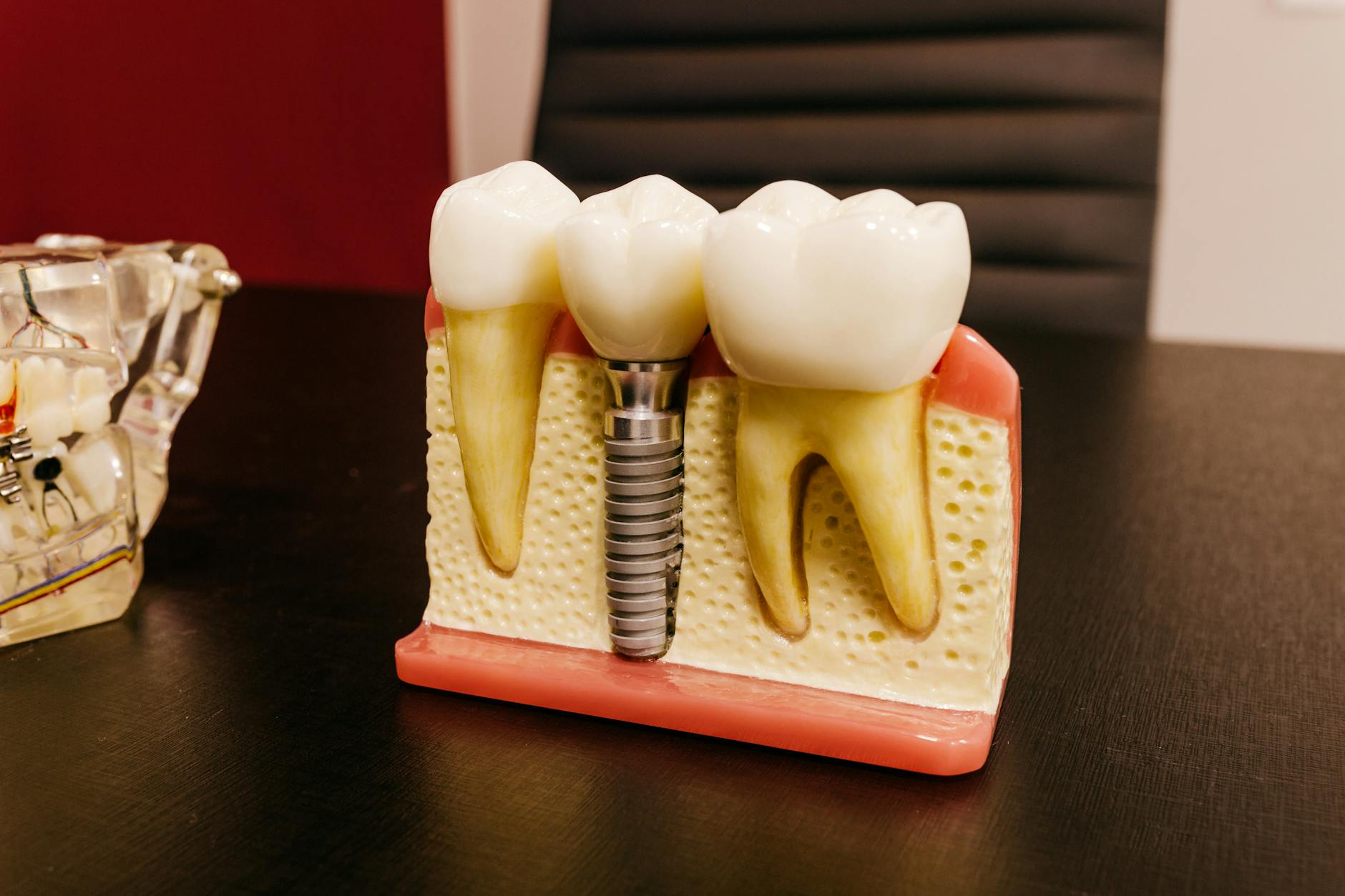
Full-mouth dental implants replace all teeth in one or both arches with implant-supported restorations. Options: implant-supported dentures and All-on-4 or All-on-6 protocols. Cost: $20,000-$50,000 per arch depending on technique, materials, region. Treatment takes several months-implant placement, healing (3-6 months), final restoration. Look for prosthodontists or oral surgeons with extensive implant experience. Ask how many full-arch cases the provider completes yearly. Full-mouth restoration can transform quality of life for those who've struggled with dentures.
Finding a Qualified Provider
Look for prosthodontists or oral surgeons with 50+ full-arch cases per year. Check before-and-after photos and patient reviews. Some clinics offer free consultations. Dental schools provide lower-cost care; wait times may be 2-4 months. Medical tourism can cut cost 40-60% but complicates follow-up. Consider the full team-surgeon and restorative dentist. ClearPath Dental, ClearChoice, and local implant centers specialize in full-arch.
All-on-4 vs. All-on-6 vs. Traditional Implants
All-on-4 uses four implants per arch with angled posterior implants; can sometimes avoid bone grafting. All-on-6 uses six implants for better force distribution. Traditional approaches may use eight or more. Same-day teeth allow temporary restoration day of surgery. Nobel Biocare and Straumann are leading implant brands.
What to Ask During Consultation
Inquire about bone grafting needs ($1,500-$3,000 per site), timeline, temporary teeth during healing. Understand warranty and revision policies. Get written treatment plan and itemized cost breakdown. Ask about sedation options. Compare at least two opinions. Clarify what's included. Financing: CareCredit, Sunbit, payment plans through practice.
Cost Breakdown and Red Flags
Costs include: implant fixtures ($1,500-$3,000 each), abutments, temporary prosthesis ($2,000-$4,000), final prosthesis-zirconia ($8,000-$15,000) or acrylic ($4,000-$8,000), bone grafting if needed. Red flags: prices significantly below market, pressure to sign or pay upfront, unrealistic promises. Get a second opinion if recommended approach seems aggressive.
Aftercare and Long-Term Success
Implant-supported restorations require regular hygiene-brushing, flossing, professional cleanings every 3-6 months. Avoid grinding (night guard), chewing ice, using teeth as tools. With proper care, implants can last decades. Plan for prosthetic replacement (typically every 10-15 years, $3,000-$8,000). Recovery: most manage with OTC or prescribed pain medication.
Insurance and Financing Options
Dental insurance: rarely covers full-mouth implants; some plans cover a portion of extraction or bone grafting. Medicare: does not cover dental implants. Medicaid: varies by state; some cover medically necessary extractions. CareCredit: 0% APR for 6-18 months on $200+; 14.99% after. Sunbit: similar terms; often used by dental practices. In-house payment plans: $500-1,000/month over 24-36 months; no interest if paid on time. FSA/HSA: use for eligible expenses; max $3,200 for HSA in 2026. Some practices offer all-inclusive pricing; others itemize. Get a written quote before committing.
Consultation questions: How many All-on-4 or full-arch cases do you do per year? What is your implant success rate? (95%+ is standard.) Will I have temporary teeth during healing? What if an implant fails—is there a warranty? What sedation do you offer? Get a written treatment plan with timeline and costs. Second opinion: if the first provider recommends extensive bone grafting or 8+ implants, get another opinion. Some providers over-prescribe. ClearChoice and similar chains may have different pricing than local prosthodontists.
Bone grafting: if you've been toothless for years, bone may have resorbed. Sinus lift ($1,500-3,000) may be needed for upper implants. Bone graft ($300-800 per site) adds volume. Healing takes 3-6 months before implant placement. Not everyone needs it—CBCT scan determines. Same-day teeth: possible if primary stability is achieved; not all patients qualify. Soft diet for 6-8 weeks during healing. Final restorations: zirconia is stronger and more natural than acrylic; costs more but lasts longer.
Dental tourism: Mexico (Los Algodones, Cancun) and Costa Rica offer full-arch implants at 40-60% less. Include travel, lodging, and follow-up in your comparison. Risks: coordination for complications, warranty claims, and adjustments can be challenging long-distance. Some US providers won't work on implants placed elsewhere. If considering medical tourism, choose an accredited facility (Joint Commission International) and plan for at least one follow-up trip.
Bone grafting: if you've been toothless for years, bone may have resorbed. Sinus lift ($1,500-3,000) may be needed for upper implants. Bone graft ($300-800 per site) adds volume. Healing takes 3-6 months before implant placement. Not everyone needs it—CBCT scan determines. Same-day teeth: possible if primary stability is achieved; not all patients qualify. Soft diet for 6-8 weeks during healing. Final restorations: zirconia is stronger and more natural than acrylic; costs more but lasts longer.
Dental tourism: Mexico (Los Algodones, Cancun) and Costa Rica offer full-arch implants at 40-60% less. Include travel, lodging, and follow-up in your comparison. Risks: coordination for complications, warranty claims, and adjustments can be challenging long-distance. Some US providers won't work on implants placed elsewhere. If considering medical tourism, choose an accredited facility (Joint Commission International) and plan for at least one follow-up trip.