

Wearable Tech Revolution Smartwatches Transforming Glucose Monitoring
Wearable technology has moved beyond step counting to include continuous glucose monitoring (CGM) integration—a game-changer for people with diabetes and those optimizing metabolic health. Smartwatches like the Apple Watch can display CGM data from Dexcom and Abbott FreeStyle Libre sensors via companion apps. Dedicated diabetes wearables (e.g., Dexcom G7, FreeStyle Libre 3) transmit glucose readings to phones and watches in real time, reducing fingersticks and enabling faster response to highs and lows. Fitness-focused users use CGM to understand how diet, exercise, and sleep affect blood sugar—even without a diabetes diagnosis. The convergence of wearables and metabolic monitoring is driving personalized health insights and earlier intervention.
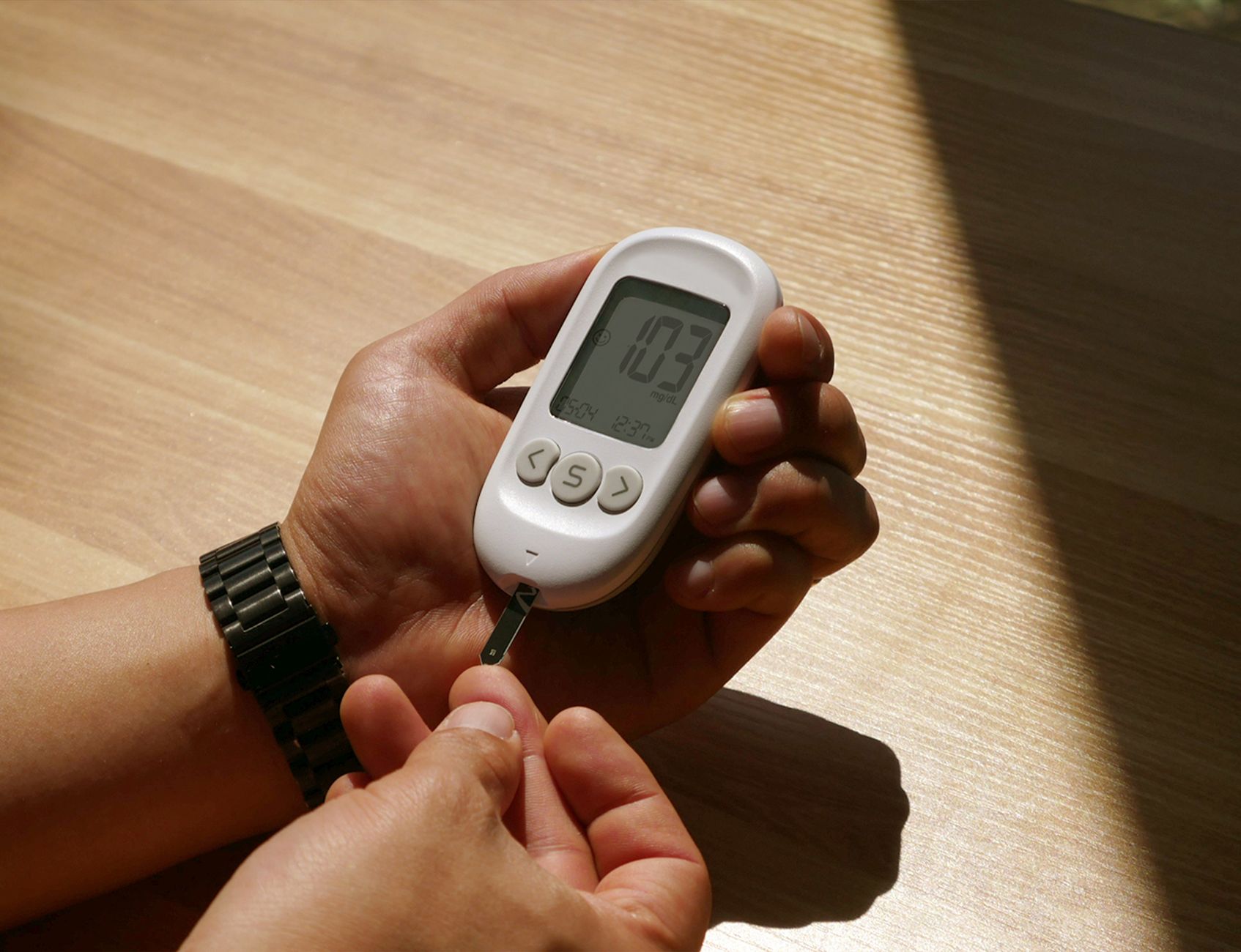
CGM Technology and Smartwatch Integration
How CGMs Work
Continuous glucose monitors use a small sensor inserted under the skin (typically abdomen or arm) to measure interstitial glucose. Readings are sent wirelessly to a receiver, phone, or smartwatch every few minutes. Dexcom G7 and Abbott FreeStyle Libre 3 are the leading consumer CGMs; both offer optional smartwatch display. Apple Watch can show glucose via the Dexcom or Libre app; some Garmin and Wear OS watches also support CGM apps. Alerts for high and low glucose help users take action quickly. Prescription CGMs are covered by insurance for people with diabetes; over-the-counter options (e.g., Signos, Nutrisense) are available for metabolic optimization at higher cost.
Use Cases Beyond Diabetes
Athletes and health enthusiasts use CGM to optimize performance and recovery—identifying foods that spike blood sugar, timing meals around workouts, and improving sleep. Some programs pair CGM with coaching for weight management or metabolic health. Research suggests that glucose variability correlates with inflammation and long-term health risks; CGM provides visibility into these patterns. Off-label use is growing, though clinical evidence for non-diabetic populations is still evolving. Consult a healthcare provider before using CGM for health optimization—interpretation requires context.
Choosing a Wearable for Glucose Monitoring
If you have diabetes, work with your care team to select a CGM; insurance coverage varies. For smartwatch display, check compatibility: Apple Watch works with Dexcom and Libre; Android Wear and Garmin support varies by model and app. Consider battery life—CGM apps can drain watch batteries. Look for customizable alerts and trend views. Future developments include non-invasive or minimally invasive sensors and tighter integration with insulin pumps and automated dosing systems. The wearable-CGM combination is becoming a cornerstone of modern diabetes management.
Future Developments and Considerations
Non-invasive glucose monitoring has been a long-sought goal. Several companies are developing optical or other sensor technologies that don't require skin penetration. Regulatory approval and accuracy remain hurdles; for now, implantable or minimally invasive sensors are the standard. Hybrid closed-loop systems (e.g., insulin pumps that adjust based on CGM data) are advancing; future wearables may integrate more tightly with automated insulin delivery. For non-diabetic users, the evidence for metabolic optimization is evolving—some find CGM helpful for diet and exercise tuning; others see limited benefit. Discuss with a provider to set realistic expectations.
Cost and access: prescription CGM is often covered by insurance for people with diabetes; prior authorization may be required. Cash prices run $75–150 per sensor (replaced every 10–14 days). Over-the-counter programs (Signos, Nutrisense, Levels) charge monthly fees ($99–399) and include sensors and coaching. Weigh the cost against the value you expect. For diabetes management, CGM is often life-changing—fewer fingersticks, better time-in-range, and reduced hypoglycemia. For metabolic curiosity, start with a short-term trial to see if the data informs your choices.
Accuracy and calibration: CGM readings can lag behind fingerstick readings by 5–15 minutes. During rapid glucose changes (after meals, exercise), use fingersticks for critical decisions. Calibration requirements vary—Dexcom G7 doesn't require calibration; some older models do. Sensor placement affects accuracy; avoid areas with scar tissue or excessive movement. Understand the difference between blood glucose and interstitial glucose. Share data with your care team; they can help interpret trends. Alarms can be customized—set thresholds that work for you without causing alarm fatigue. Accuracy improves with each generation of sensors.
Integrating CGM with daily life: many users find that seeing real-time glucose helps them make better food and activity choices. However, avoid obsessive checking—set a few key times to review (e.g., after meals, before exercise). Use trends rather than single readings for decisions. Share access with family or caregivers if helpful for safety. Some apps (Apple Health, Google Fit) can aggregate CGM data with other health metrics. Discuss data sharing and privacy with your provider. The goal is informed decision-making, not constant anxiety. Balance awareness with living your life.
Wearables and CGM are transforming diabetes management. For those with diabetes, the combination is life-changing. Consult a provider to see if CGM is right for you.
Accuracy improves with each sensor generation. Share data with your care team. Balance awareness with daily life.
Cost varies by insurance and program. Non-invasive sensors are in development. Discuss options with your diabetes care team.