

Tap Into The True Value How Pressure Washing Services Enhance Property Appeal And Save Costs
Pressure washing removes dirt, mold, mildew, algae, and stains from exterior surfaces—driveways, sidewalks, siding, decks, and roofs. Clean exteriors improve curb appeal, extend the life of surfaces, and can increase property value. Professional services use commercial-grade equipment (2,000–4,000+ PSI), appropriate detergents, and techniques that avoid damage. DIY pressure washers are available for rent or purchase but require care—too much pressure can etch concrete, strip paint, or damage wood. Soft washing—lower pressure with chemical cleaners—is preferred for siding, roofs, and delicate surfaces. Costs vary: $200–500 for a typical driveway and walkway; $300–800 for a full house wash; $400–1,000+ for roofs and large properties.
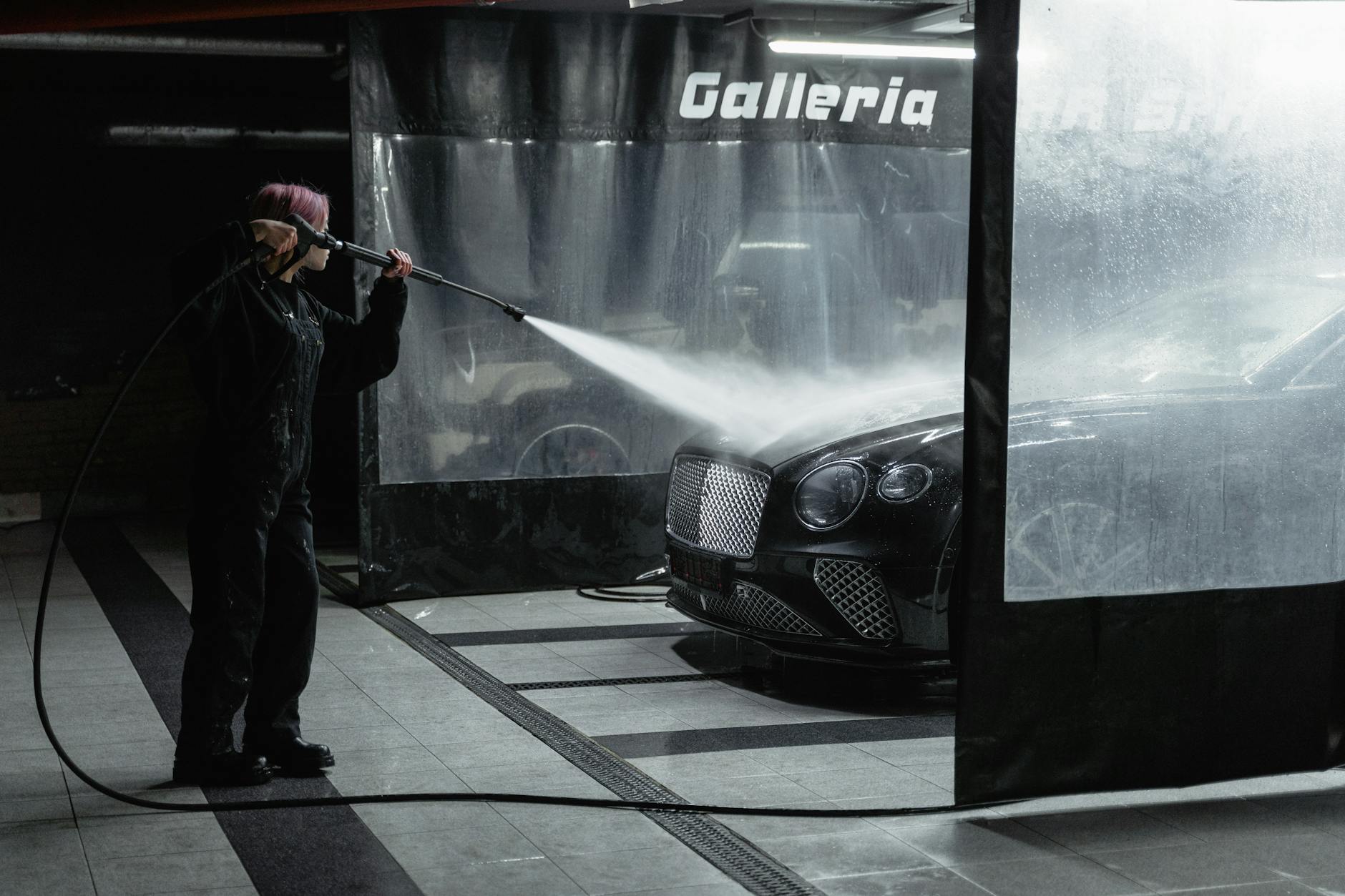
What Pressure Washing Can Address
Surfaces and Common Issues
Concrete driveways and walkways accumulate oil stains, tire marks, and organic growth. Pressure washing restores appearance; sealing afterward protects against future staining. Vinyl, wood, and fiber cement siding collect dirt, pollen, and mildew—soft washing with appropriate cleaners is safer than high pressure. Decks and patios need periodic cleaning to prevent slip hazards and wood decay. Roof cleaning removes moss, algae, and debris; soft wash is essential to avoid shingle damage. Gutters, fences, and outdoor furniture also benefit. Not all surfaces are suitable—old or damaged siding, certain roof types, and painted surfaces may be damaged by pressure; professionals assess before proceeding.
Professional vs. DIY
Professionals bring experience, insurance, and the right equipment for each surface. They know which nozzles, pressures, and chemicals to use. DIY saves money but risks injury (kickback, ladder falls), surface damage, and incomplete results. Rentals typically offer 3,000–4,000 PSI units—powerful enough to cause harm if misused. Start with low pressure and increase gradually; keep the wand moving. For roofs and second-story work, hiring out is usually wiser. Get multiple quotes; ask about insurance, methods, and guarantees. Some companies offer package deals for multiple services.
Maximizing Results and Longevity
Schedule washing when surfaces are dry and temperatures are moderate (50–90°F). Avoid washing in direct hot sun—cleaning solutions can dry too quickly and streak. Pre-treat heavily soiled areas. Rinse plants and cover electrical fixtures. After washing, consider sealing concrete and treating wood decks. Annual or biennial cleaning maintains appearance and prevents buildup that's harder to remove later. Document before-and-after photos for real estate listings or insurance. A well-maintained exterior signals care and can support a higher sale price.
Eco-Friendly and Safe Practices
Pressure washing can send contaminants (dirt, chemicals, mold spores) into storm drains and waterways. Use biodegradable, phosphate-free cleaners when possible. Direct runoff away from plants and water sources. Some municipalities regulate pressure washing; check local rules. Avoid washing near wells or septic systems. For roofs, zinc or copper-based treatments can inhibit algae growth but may affect runoff—follow product labels. Soft washing uses less water and gentler chemicals than high-pressure blasting. Capture and dispose of wastewater properly when cleaning oil-stained driveways or chemically treated surfaces.
Safety: wear eye protection and closed-toe shoes. Never point the wand at people or pets. Use a stable ladder and proper fall protection for elevated work. Electrical outlets and fixtures should be covered and kept dry. Test the surface in an inconspicuous area first—some materials (old brick, soft wood) can be damaged. If using chemicals, follow dilution ratios and dwell times. Rinse thoroughly. Professionals carry insurance for property damage and injury; verify before hiring. A quality job protects your investment and the environment.
When to DIY vs. hire: small projects (patio, deck, a few windows) may be manageable with a consumer pressure washer ($150–400). Large or multi-story work, roofs, and delicate surfaces are best left to professionals. If you DIY, read the manual, start with low pressure, and test on an inconspicuous area. Never use a pressure washer on a ladder without proper training. Electric models are quieter and sufficient for light duty; gas models offer more power for driveways and heavy grime. Renting costs $50–100/day—compare to hiring if the job will take multiple days. When in doubt, get a quote; it's often free.
Scheduling and timing: spring and fall are popular for exterior cleaning—mild weather and preparation for or recovery from winter. Summer works but avoid the hottest part of the day to prevent rapid drying and streaking. Schedule before painting or staining—clean surfaces improve paint adhesion. Before listing a home for sale, a professional wash can significantly boost curb appeal. After construction or renovation, cleaning removes dust and debris. Avoid washing when temperatures are near freezing—water can refreeze and cause damage. Book popular contractors in advance; peak seasons fill quickly.
Pressure washing is an investment in your property. Choose the right approach for each surface and maintain a regular cleaning schedule.
Professional services bring experience and insurance. Schedule during mild weather. Document before and after for records.
Eco-friendly cleaners and proper runoff management protect the environment. Safety gear and correct technique prevent injury when doing it yourself.
Regular cleaning protects your investment and improves curb appeal.