

Unlock Business Class Comfort Secrets To Affordable Premium Travel
Business class offers lie-flat seats, priority boarding, lounge access, and better meals—but cash prices often exceed $3,000 for transatlantic flights. The secret: use points, miles, and strategic upgrades instead of paying full fare. Credit card sign-up bonuses (100k+ points) can cover one-way business class on many carriers. Mistake fares and flash sales occasionally appear. Upgrade bidding and last-minute award availability can work for flexible travelers. Understanding airline loyalty programs and transfer partners—Amex, Chase, Citi—unlocks premium travel at a fraction of the cost. The key is flexibility: on dates, airports, and even destinations. Rigid plans make premium travel expensive; adaptable travelers find the deals.
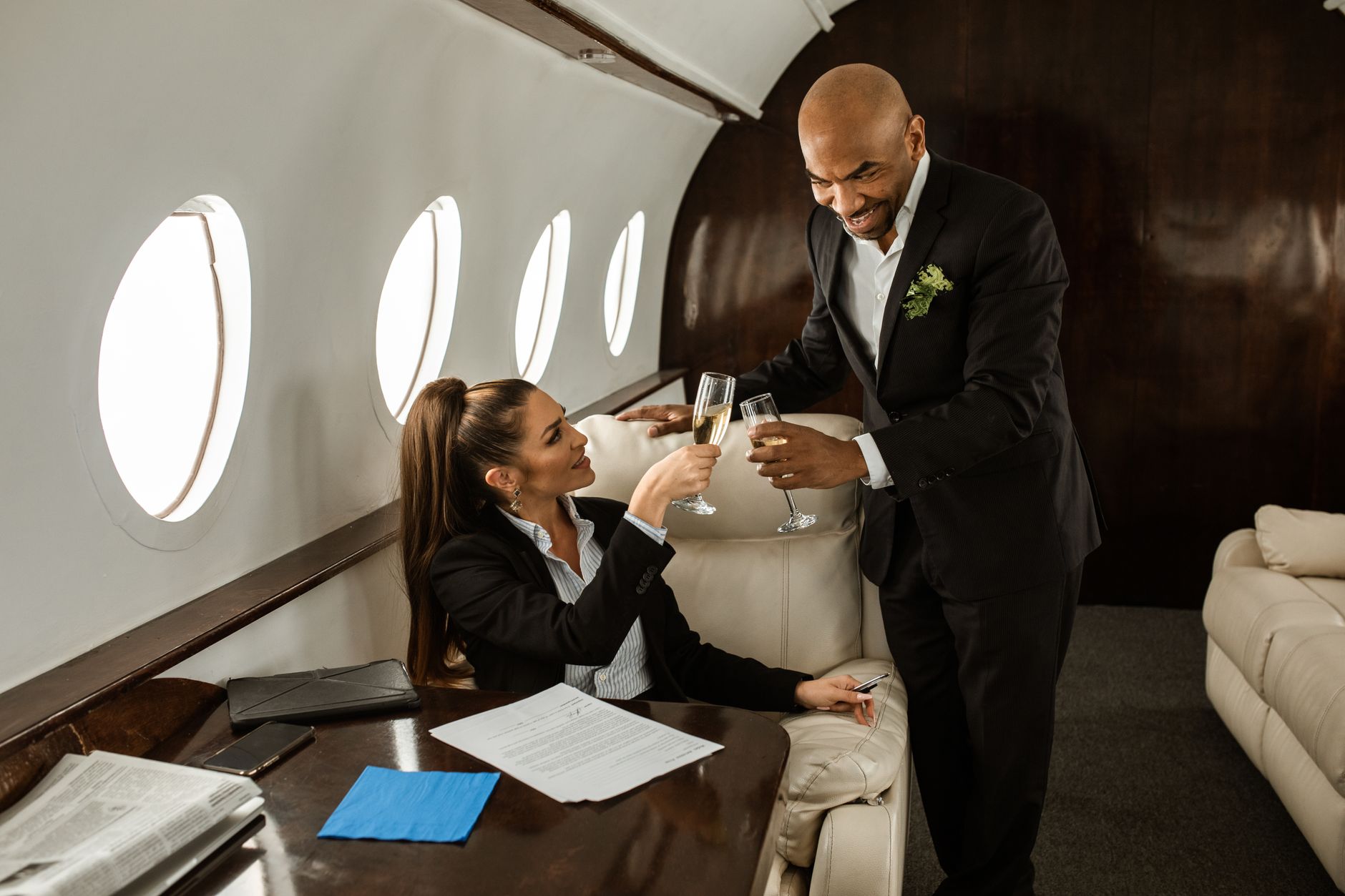
Points and Miles Strategies
Transferable points (Chase Ultimate Rewards, Amex Membership Rewards, Citi ThankYou) are the most flexible. Transfer to airline partners when you're ready to book—British Airways, United, Singapore, Air France—for award flights. Saver awards (fewer miles) require planning; last-minute availability can be scarce. Consider positioning flights: fly to a hub with better award space (e.g., East Coast to Europe via Dublin on Aer Lingus). Some programs have sweet spots: 50k miles for one-way business to Europe on certain partners. Transfers are usually instant but one-way—plan before you transfer. Award charts change; lock in bookings when you find availability. Virgin Atlantic, Flying Blue, and Aeroplan often have better availability than their parent carriers for certain routes.
Upgrade Bidding and Cash Upgrades
Many airlines offer upgrade bidding after booking economy: you submit an offer; if accepted, you pay the difference. Bids typically start at $200–400 for short-haul, $500–1,500 for long-haul. Success depends on load factor—full flights often have no upgrades. Check-in offers at the airport can be cheaper when the airline wants to fill empty business seats. Elite status helps: some programs allow upgrades with miles or complimentary upgrades on space-available basis. Premium economy is a middle ground—more legroom and better service than economy, often at a fraction of business class cost. Some travelers book premium economy and bid for business; if the bid fails, they still have a decent seat.
Mistake Fares and Flash Sales
Mistake fares—pricing errors from airlines—occur when systems glitch and business class is priced at economy levels. Sites like Secret Flying and The Flight Deal alert subscribers. Book quickly; airlines often honor these fares but may cancel them. Flash sales from airlines (e.g., Emirates, Qatar) occasionally offer 30–50% off business. Sign up for airline newsletters and set fare alerts. Be flexible on dates and destinations—the best deals often require adaptability. When mistake fares appear, book first and ask questions later—you can often cancel within 24 hours if needed. Have a travel rewards credit card ready; some deals sell out in minutes. Follow deal bloggers and set up Twitter alerts for your preferred routes.
Credit Card Bonuses and Lounge Access
Premium travel cards (Chase Sapphire Reserve, Amex Platinum) offer lounge access and annual credits. Many include Priority Pass for third-party lounges. Sign-up bonuses of 80k–150k points can be worth $1,200–2,500 toward travel. Use cards for everyday spending to earn bonus categories; redeeming through transfer partners often yields more value than cash-back. Consider annual fees—$500–700—against benefits you'll actually use. Lounge access alone can justify the fee for frequent travelers—meals, drinks, and Wi-Fi add up. Annual travel credits ($200–300) offset part of the fee. Card churning—opening cards for bonuses—can accelerate point accumulation but requires discipline with credit.
Award Availability and Booking Windows
Award seats open at different times—often 330–365 days out for some airlines. Booking early secures saver space; last-minute awards are rare and may cost more miles. Partner awards (e.g., booking United through Aeroplan or Singapore) can offer better availability when direct programs are sold out. Consider alternate airports—flying into Milan instead of Rome, or Frankfurt instead of Munich—can open award options. Flexibility on dates is the single biggest factor in finding business class awards. Use search tools like AwardFares, ExpertFlyer, or airline websites to check availability before transferring points. Some programs release more award space close to departure when paid seats don't sell.
Positioning and Creative Routing
Positioning means flying to a city with better award availability before your main trip. Example: fly from your home to New York or Boston on a cheap fare, then book a transatlantic award from there. Creative routing can reduce miles—some programs allow stopovers or open jaws for the same price as a round-trip. Study each program's rules; a little research can save tens of thousands of miles. Open jaws let you fly into one city and out of another. Stopovers allow a free extended stay in a connecting city. Alaska Mileage Plan and United are known for generous routing rules. A multi-city award can sometimes cost the same as a simple round-trip.
Putting It All Together
Start by earning transferable points through credit card sign-ups. Choose a destination and search award availability before transferring. Consider positioning if your home airport has limited options. Book economy if business is not available; bid for upgrades later. One trip to Europe in business can cost 100k or fewer miles with the right strategy.