

Understanding The Path To Becoming A Certified Nursing Assistant Cna
Certified Nursing Assistants (CNAs) provide essential hands-on care in nursing homes, hospitals, assisted living facilities, and home care. Certification typically requires completing a state-approved programme (four to twelve weeks) and passing a competency exam. Programmes are offered by community colleges, vocational schools, and healthcare facilities. Costs range from $500 to $2,000; some employers cover training in exchange for a commitment. Demand is strong due to ageing populations; median pay varies by setting and location, with opportunities for part-time and per-diem work.
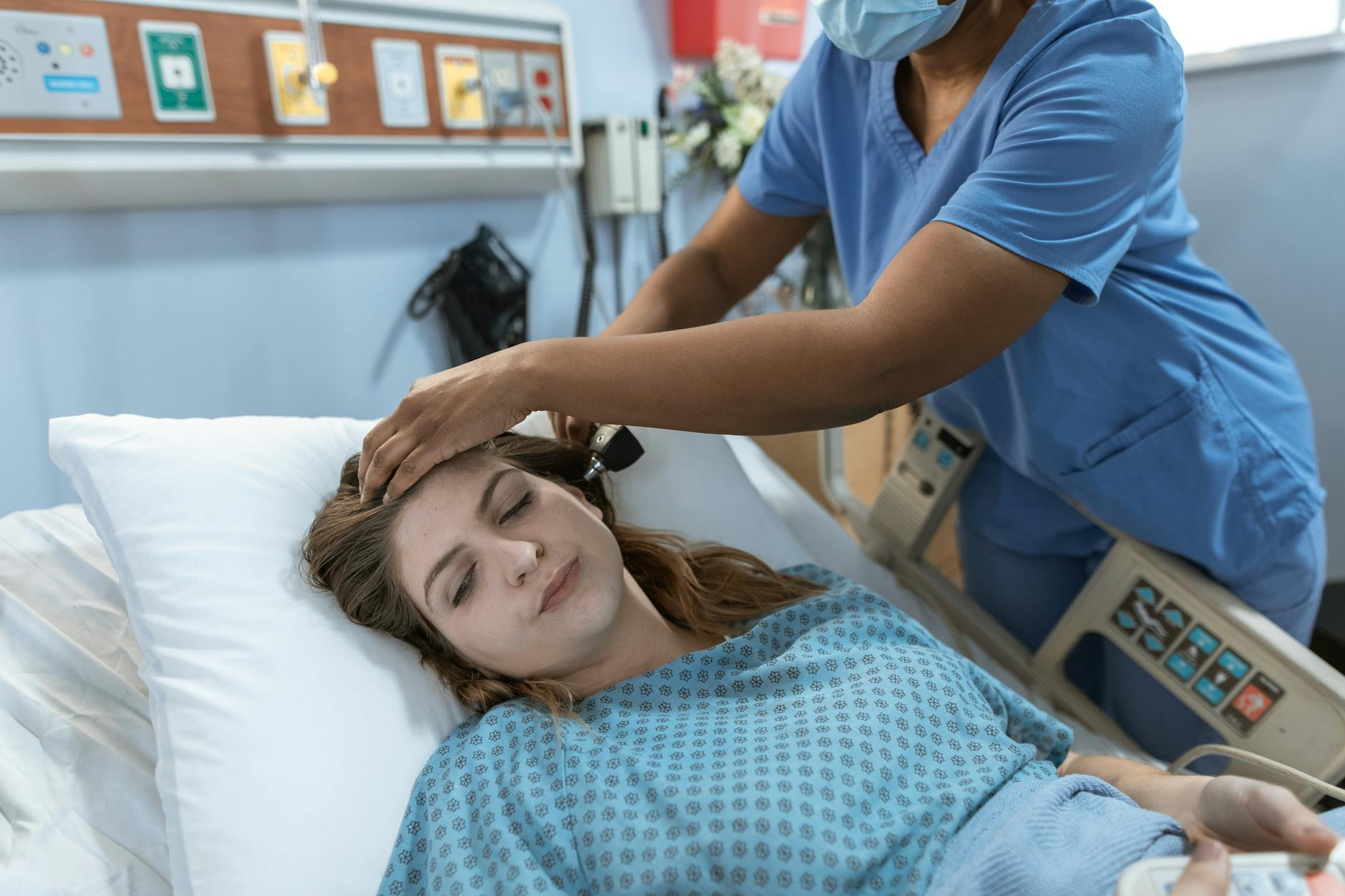
Training and Certification
Programme Content and Structure
Programmes cover basic nursing skills (vital signs, bathing, feeding, mobility), infection control, patient rights, and communication. Clinical hours in a healthcare setting are required. Curriculum is regulated by state nursing boards. Background checks—and sometimes drug screening—are typically required before clinical placement.
Exams and Licensure
State exams include a written component and a skills evaluation. Candidates must demonstrate competency in tasks such as handwashing, taking blood pressure, and assisting with mobility. Passing scores vary by state. Certification must be renewed periodically; some states require continuing education.
Career Outlook and Advancement
Work Settings and Pay
Nursing homes and long-term care facilities employ the largest share of CNAs. Hospitals, assisted living, and home care offer alternatives. Pay varies by sector, shift (nights and weekends often pay more), and region. Benefits may include health insurance, retirement plans, and tuition reimbursement.
Advancement Paths
CNAs can advance to Licensed Practical Nurse (LPN) or Registered Nurse (RN) with additional education. Some employers offer tuition assistance. Specialisations—e.g., dementia care, hospice—may require additional training. Leadership roles include charge nurse or unit coordinator positions.
Day-to-Day Reality and Preparation
What the Job Entails
The work can be emotionally demanding; supporting patients and families through illness and end-of-life care requires resilience. Burnout is a concern in healthcare; self-care and boundaries matter. Many CNAs find meaning in making a difference in patients' daily lives. The skills learned—communication, teamwork, attention to detail—transfer to other roles. Job security is generally strong given demographic trends. Explore different settings during clinical rotations to find the best fit for your personality and goals.
Programme length varies; accelerated programmes compress training but may be intense. Part-time options accommodate those working or with family obligations. Clinical rotations expose students to different settings. Pass rates for certification exams vary by programme; ask for statistics. Some states have reciprocity agreements for CNAs moving from another state. Continuing education requirements for renewal vary; plan for ongoing learning. The work schedule can include holidays and weekends. Benefits and pay differ between for-profit and non-profit employers. Union representation may be available in some facilities. The role is a stepping stone to nursing or other healthcare careers.
CNA-to-RN bridge programmes build on existing experience. Some employers offer tuition reimbursement for nursing school. The pandemic highlighted the essential role of CNAs. Wages have risen in many markets due to demand. Travel CNA positions offer higher pay and variety. Home health allows more autonomy and one-on-one care. Hospice CNA work is emotionally intense but meaningful. Specialised certifications (dementia, wound care) may increase employability. The job builds character and resilience. Many nurses credit their CNA experience as foundational. If you are considering healthcare, CNA training is an accessible entry point.
The emotional rewards of CNA work attract many to the field. Making a difference in patients' daily lives provides meaning. The role teaches humility, patience, and compassion. Healthcare teams depend on CNAs for frontline care. The work is never boring; each day brings new challenges and connections. Physical and emotional self-care are essential. Breaks and time off prevent burnout. Support from colleagues helps. The pandemic underscored the importance of direct care workers. Society increasingly recognises their value. If you are called to care for others, CNA certification opens the door to a meaningful career with room to grow.
CNAs assist with activities of daily living: bathing, dressing, feeding, toileting, and mobility. They take vital signs, report changes to nurses, and provide emotional support. The work is physically demanding—lifting, bending, and being on your feet. Shifts may be 8 or 12 hours; nights and weekends are common. Compassion, patience, and strong communication skills are essential. Shadow or volunteer in a healthcare setting before committing to training. Many find the work deeply rewarding despite its challenges.
CNA certification opens doors in healthcare. The training is accessible and the demand is strong. Whether you seek a career or a stepping stone to nursing, the skills are valuable. The work is meaningful. Prepare for the physical and emotional demands. Build your support network. The healthcare system needs dedicated CNAs. If you feel called to this work, take the first step. Research programmes in your area. Many employers offer training. The path is shorter than you might think. Financial aid may be available. Taking the time to research and plan pays dividends. Whether you are just starting or deepening your knowledge, the information in this guide provides a solid foundation for informed decisions.