

Laser Treatments in the Beauty Industry
Laser treatments in the beauty and medical aesthetics industry span hair removal, skin resurfacing, tattoo removal, and vascular therapy. IPL (intense pulsed light) and diode lasers dominate hair removal; fractional CO2 and erbium lasers address scarring, wrinkles, and sun damage. Costs vary by procedure and region: hair removal may run $200–500 per session; full-face resurfacing can cost $2,000–4,000 or more. Board-certified dermatologists and plastic surgeons offer the safest options; med spas without physician oversight pose higher risks, especially for ablative procedures.
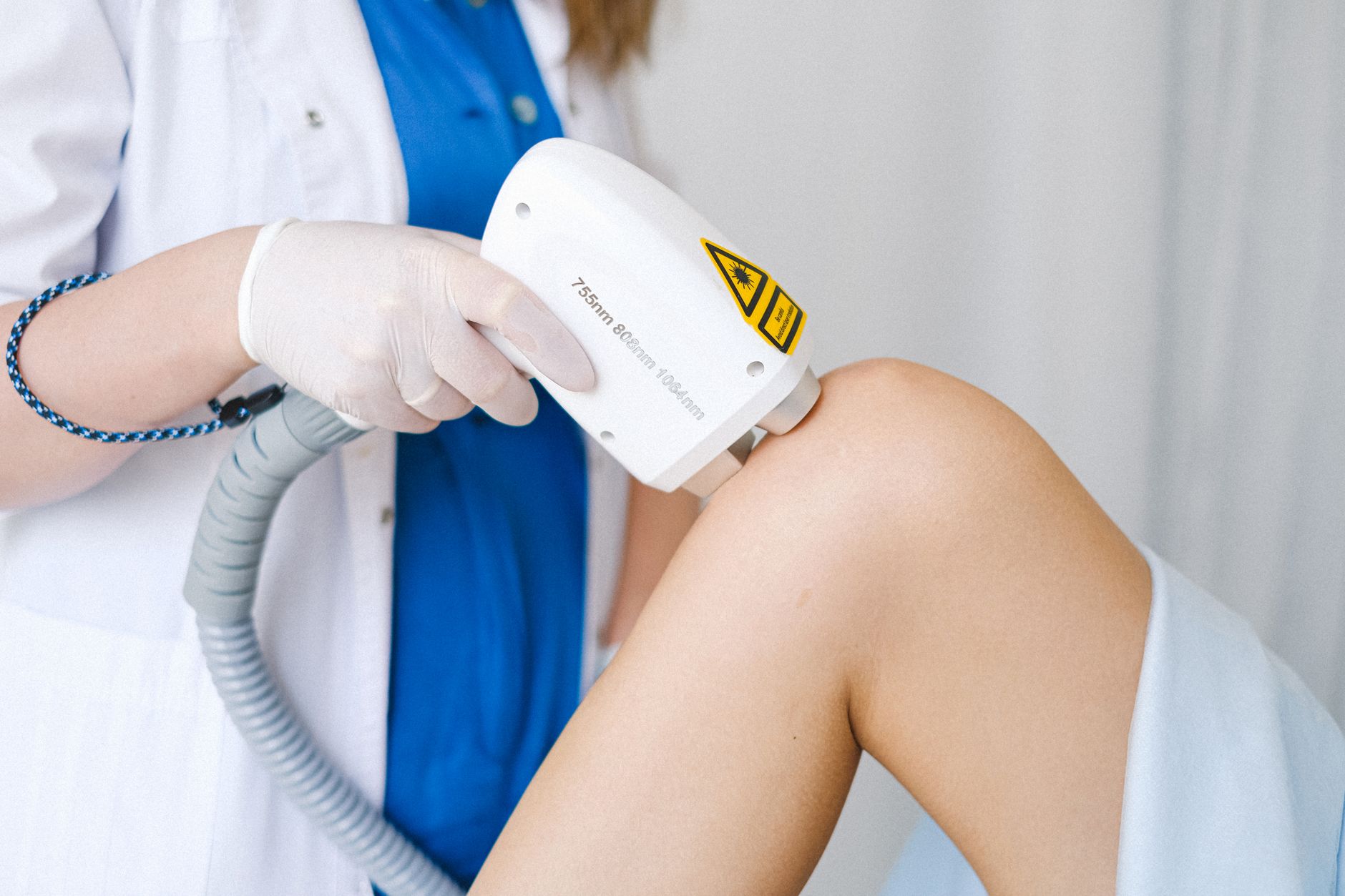
Common Laser Procedures
Hair Removal and Skin Resurfacing
Hair removal typically requires six to eight sessions for lasting reduction; maintenance sessions may be needed. Skin resurfacing improves texture, tone, and fine lines; downtime varies from a few days (light treatment) to two weeks (aggressive ablative). Vascular lasers treat spider veins, rosacea, and port-wine stains. Always verify practitioner credentials and ask about suitability for your skin type.
Tattoo Removal and Pigment Correction
Q-switched and picosecond lasers fragment tattoo ink for gradual fading. Multiple sessions—often six to twelve—are typical. Pigment lasers address sun spots, melasma, and post-inflammatory hyperpigmentation. Fitzpatrick skin type affects risk; darker skin requires specific wavelengths and settings to minimise burns and pigment changes.
Safety and Choosing a Provider
Credentials and Suitability
Seek providers with medical training—dermatologists, plastic surgeons, or physicians who oversee trained technicians. Avoid med spas without physician oversight for ablative or high-risk procedures. Patch tests help predict reactions. Disclose medications (especially photosensitising drugs), recent sun exposure, and skin conditions.
Pre- and Post-Treatment Care
Sun avoidance before and after reduces complications. Follow aftercare instructions: gentle cleansing, moisturising, and sunscreen. Avoid picking or scratching treated areas. Report unusual swelling, blistering, or infection promptly. Results develop over weeks to months; patience and realistic expectations improve satisfaction.
Costs and What to Expect
Pricing and Number of Sessions
Laser technology has advanced significantly; newer devices offer better results with less downtime for many skin types. Combination treatments—laser with microneedling or topical products—may enhance outcomes. Maintenance sessions help sustain results as skin ages. Discuss your goals, budget, and tolerance for downtime honestly with your provider. Realistic expectations prevent disappointment; not every concern can be fully resolved. Before-and-after photos from your provider can illustrate typical results, but individual outcomes vary.
Fractional lasers create micro-channels in the skin, stimulating healing with less downtime than full-surface resurfacing. Non-ablative lasers heat tissue without removing it. The right device and settings depend on skin type, concern, and desired outcome. Avoid sun exposure and tanning before treatment. Inform your provider of any recent cosmetic procedures or medications. Multiple treatments spaced weeks apart often yield better results than a single aggressive session. Post-treatment care—sunscreen, moisturiser, avoiding irritants—protects results. Results are not permanent; ageing and sun exposure cause ongoing changes. Maintenance treatments may be needed periodically.
Laser hair removal works best on dark hair and light skin; newer devices improve outcomes for darker skin. Multiple wavelengths target different chromophores. Consultation should include skin analysis and treatment plan. Realistic timelines: hair removal needs months of sessions; resurfacing results develop over weeks. Combination with injectables or surgery may be recommended. Avoid treatments during active infection or pregnancy. Inform providers of any changes in health or medications. Results depend on provider skill and equipment quality. Research your provider's experience and before-and-after portfolio. Invest in quality over price for permanent procedures.
Laser technology continues to evolve. Picosecond lasers offer faster treatment for tattoos and pigment. Non-ablative fractional lasers minimise downtime. Combination approaches—laser with radiofrequency or ultrasound—target multiple layers. Body contouring and cellulite treatments use different technologies. Research your specific concern and the evidence for different approaches. Not all treatments are equally effective for all concerns. Provider experience matters more than the latest device. Ask about the practitioner's training and case volume. A conservative approach—starting with less aggressive settings—reduces risk. Beautiful results come from skill and appropriate technology.
Hair removal typically requires six to eight sessions at $200–500 each depending on treatment area. Skin resurfacing can cost $2,000–4,000 or more for full-face treatment. Tattoo removal often needs six to twelve sessions. Ask for a written quote before starting. Some clinics offer package pricing for multiple sessions. Results vary by individual; discuss realistic expectations and potential need for maintenance treatments with your provider.
Choose providers with appropriate credentials. Ask questions. A good provider welcomes them. Avoid pressure to buy packages before you are ready. Start with a consultation. Results take time. Be patient. Protect your investment with sunscreen and proper care. The beauty industry offers many options; laser is one tool among many. Match the treatment to your concern and your provider's expertise. Quality and safety matter more than price. Invest in the right provider and equipment. Board certification indicates rigorous training. Taking the time to research and plan pays dividends. Whether you are just starting or deepening your knowledge, the information in this guide provides a solid foundation for informed decisions.