

Commercial Refrigeration Equipment: A Buyer's Guide: A Buyer's Guide
Commercial refrigeration spans reach-in coolers, walk-in coolers and freezers, display cases, prep tables, and ice machines. Equipment must meet FDA and local health codes for food storage temperatures. Energy efficiency (Energy Star) reduces operating costs; proper maintenance extends lifespan. Costs range from $2,000 for a basic reach-in to $20,000+ for walk-ins. Choosing the right equipment for your operation affects food safety, efficiency, and profitability.
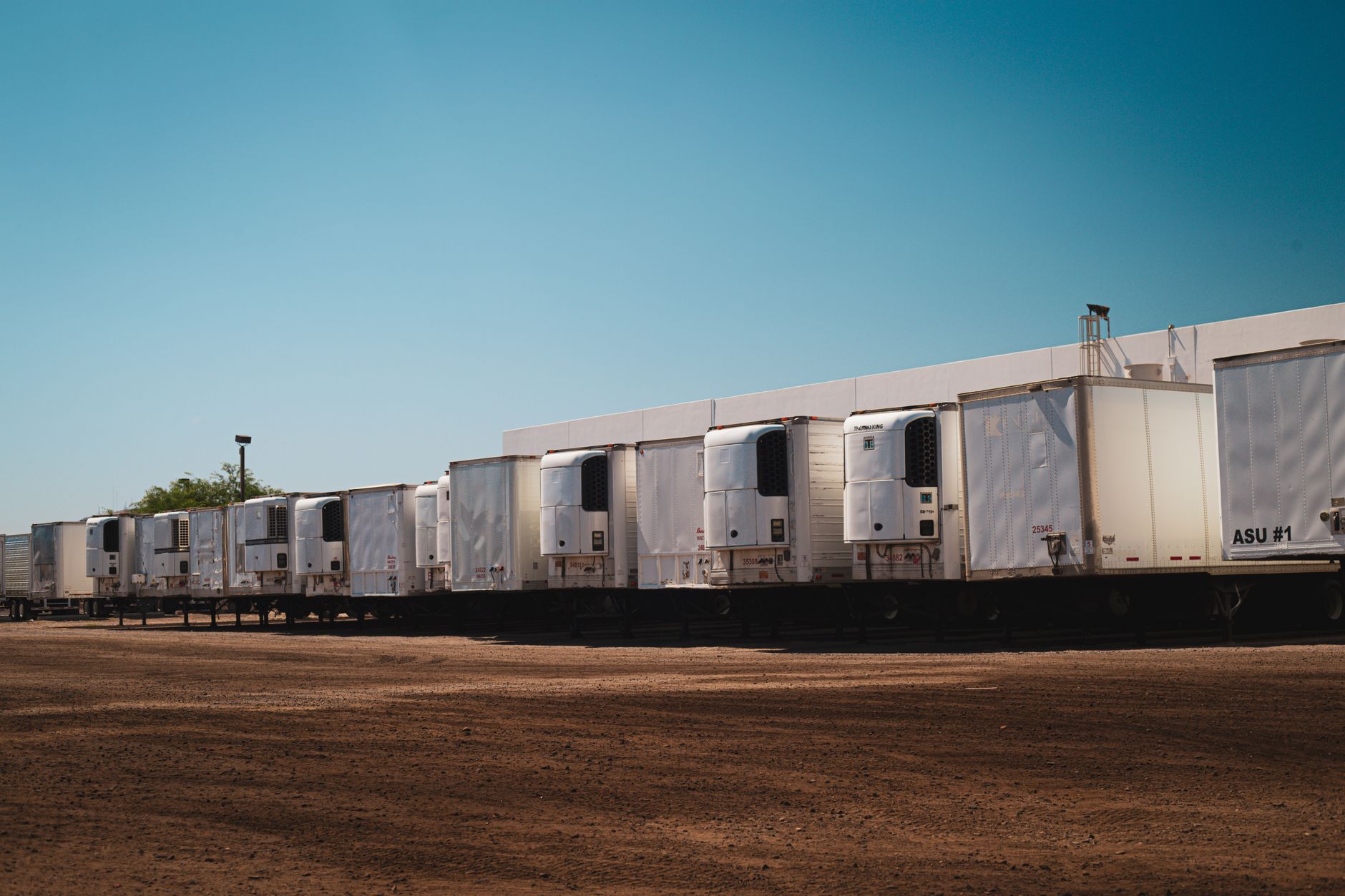
Equipment Types and Applications
Restaurants need prep tables (refrigerated work surfaces), reach-ins for ingredients, and walk-ins for bulk storage. Grocery stores use open and closed display cases for dairy, meat, and produce, plus back-room cold storage. Convenience stores use reach-ins and beverage coolers. Delis and bakeries need display and storage. Sizing depends on volume, product mix, and peak demand. Undersizing leads to overloading and temperature issues; oversizing wastes energy and capital.
Refrigerants and Efficiency
Older equipment may use R-22 (phased out); newer units use R-410A, R-404A, or natural refrigerants (CO2, ammonia). Energy Star units reduce electricity use; utility rebates may offset upfront cost. LED lighting in display cases cuts heat and power.
Maintenance and Efficiency
Regular cleaning of coils and gaskets improves performance and extends life. Refrigerant leaks require prompt repair; they waste refrigerant and strain compressors. Calibrate thermostats; monitor temperatures daily. Plan for 10–15 year replacement cycles; budget for repairs as equipment ages. Train staff on proper loading, door discipline, and defrost procedures.
Compliance and Safety
FDA Food Code requires refrigerated food to be held at 41°F or below; freezers at 0°F or below. Local health departments inspect and enforce. Document temperatures; maintain logs. Backup power or contingency plans protect inventory during outages.
Sizing and Capacity Planning
Oversizing wastes energy and capital; undersizing risks food safety and limits growth. Calculate volume based on peak inventory and product mix—different items have different density. Account for walk-in space: aisles, shelving, and airflow need room. Consider future expansion; modular walk-ins can be extended. Consult equipment suppliers or refrigeration engineers for complex layouts.
Ice Machine Considerations
Ice machines produce 50–2,000+ lbs of ice per day. Cubed, nugget, and flake ice suit different applications—beverages vs. food display vs. cooling. Undercounter units fit small operations; modular units mount on top of ice bins. Water filtration extends equipment life and improves ice quality. Clean and sanitize regularly per manufacturer guidelines; scale buildup reduces production.
Troubleshooting Common Issues
Warm temperatures often indicate dirty coils, low refrigerant, or failing compressors. Clean coils quarterly; refrigerant leaks require professional repair. Frost buildup in freezers may signal defrost issues or door seal problems. Noisy operation can indicate fan or compressor wear. Document symptoms and call a qualified technician—DIY refrigerant work is illegal without certification. Preventive maintenance contracts reduce emergency repair costs and extend equipment life.
Choosing a Refrigeration Contractor
Installation and repair require licensed technicians. Look for EPA Section 608 certification (refrigerant handling) and experience with your equipment type. Get references from similar businesses. Compare quotes for new equipment—installation quality affects performance and longevity. For repairs, ask about diagnostic fees and warranty on parts and labor. Establish a relationship with a reliable contractor before emergencies; response time matters when refrigeration fails.
Energy Efficiency and Operating Costs
Older reach-ins may use 2–3× the energy of new Energy Star units. Upgrading pays back in 3–7 years for high-use operations. LED lighting, high-efficiency compressors, and improved insulation reduce consumption. Utility rebates often offset 20–40% of upgrade cost. Monitor energy use; sudden spikes may indicate failing equipment. Include operating cost in purchase decisions, not just upfront price.
Commercial refrigeration is critical infrastructure for food service and retail. Proper equipment selection, installation, and maintenance protect your inventory and your customers. Partner with qualified contractors and invest in preventive care—it pays dividends in reliability and efficiency.
Refrigeration for Different Business Types
Restaurants need varied equipment: prep tables for line work, reach-ins for ingredients, walk-ins for bulk storage. Grocery stores require display cases sized to product mix and traffic. Convenience stores prioritize beverage coolers and grab-and-go cases. Caterers need portable and flexible options. Each business type has different requirements—work with suppliers who understand your segment. Undersizing leads to overloading; oversizing wastes energy and capital.
New Construction vs. Replacement
New construction allows optimal equipment placement and sizing. Replacement projects must work within existing space and utilities. Retrofitting may require electrical upgrades or structural changes. Plan for downtime during replacement—coordinate with your schedule. Consider phased replacement if budget is limited: prioritize critical equipment first. Document existing equipment specs to ensure replacements fit and perform.
Backup and Redundancy
For critical operations, consider backup refrigeration. A second unit or portable backup can prevent loss during failures. Alarm systems alert you to temperature excursions before product is lost. Some businesses use generator backup for power outages. Evaluate the cost of downtime and lost product against the cost of redundancy. Proper refrigeration is essential for food safety and business continuity.
Refrigerant Phase-Outs
Older refrigerants like R-22 are being phased out. New equipment uses R-410A, R-404A, or natural refrigerants. When replacing equipment, ensure compatibility with available refrigerants. Retrofitting may be possible but isn't always cost-effective. Plan for replacement before equipment fails—emergency replacements are more expensive and disruptive.