

Change Small Bathrooms: The Elegance Of Soaker Tubs And Walk In Showers
Small bathrooms need not feel cramped or utilitarian. Soaker tubs and walk-in showers can transform limited space into a spa-like retreat. Soaker tubs are deep, compact tubs designed for soaking—often 54 to 60 inches long—and they fit where standard tubs might not. Walk-in showers save space, improve accessibility, and can be luxurious with rainfall heads, benches, and niches. The choice depends on who will use the space, how often baths vs. showers are preferred, and whether aging-in-place or accessibility is a consideration. Both options can increase home value and daily enjoyment. This guide explores materials, installation considerations, and design ideas for small bathrooms.
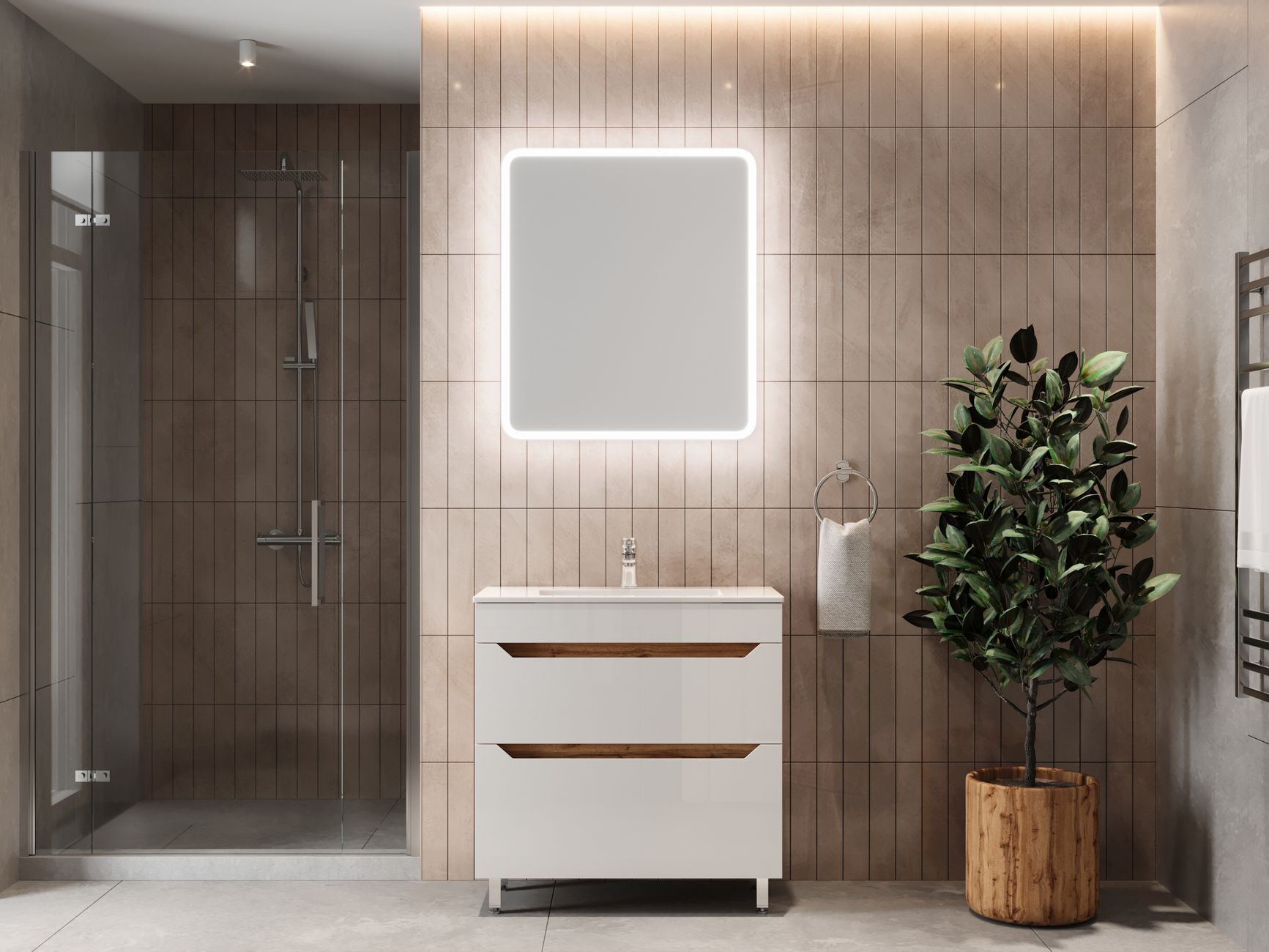
Soaker Tubs: Types and Installation
Soaker tubs come in freestanding and alcove (built-in) styles. Freestanding models make a design statement but require more floor space. Alcove tubs fit into a three-wall enclosure and work well in small baths. Materials: cast iron is durable and retains heat but is very heavy—ensure floor structure can support it. Acrylic is lighter and less expensive; it can scratch over time. Stone and composite materials offer premium looks at higher cost. Smaller sizes (54–60 inches) fit tight spaces; deeper tubs allow full immersion. Pair with a handheld shower for flexibility. Consider weight: cast iron tubs can exceed 300 pounds; installation may require reinforcement.
Walk-In Showers: Design and Features
Walk-in showers use frameless glass, semi-frameless, or curtains. Zero-threshold (curbless) designs improve accessibility and suit aging-in-place. Built-in benches provide seating; niches hold shampoo and soap. Multiple showerheads—rainfall, handheld, body jets—create a luxury experience. Non-slip flooring and grab bars enhance safety. Low-maintenance compared to tubs: no scrubbing a tub basin. Premium fixtures and materials can elevate a simple shower into a standout feature.
Choosing for Your Space and Needs
If you love baths and have room, a soaker tub adds relaxation. If you rarely bathe or prioritize accessibility, a walk-in shower is the better fit. Some homeowners install both—a tub-shower combo or a separate tub and shower in a larger bath. For small bathrooms, one or the other is usually the limit. Consider plumbing: moving fixtures can be costly. Consult a contractor or designer for layout options. Both soaker tubs and walk-in showers can be elegant; the right choice depends on your lifestyle and the space you have.
Budget and Timeline
Soaker tubs range from $500 for basic acrylic to $3,000+ for cast iron or stone. Walk-in showers run $2,000–8,000 depending on size, materials, and fixtures. Labor adds significantly—plumbing, tile, glass enclosures. Get multiple quotes. Permits may be required. A full bathroom remodel can take 2–6 weeks. Transforming a small bathroom with a soaker tub or walk-in shower is an investment that pays off in daily comfort and resale value. Plan the design, set the budget, and work with qualified professionals for a result you will enjoy for years.
Lighting and Ventilation
Good lighting is essential in a small bathroom—task lighting at the mirror, ambient light for the room. Ventilation prevents moisture buildup that leads to mold and mildew; an exhaust fan rated for the room size is critical. Consider a timer or humidity sensor for the fan. Proper ventilation protects your investment in new fixtures and finishes. The elegance of soaker tubs and walk-in showers is enhanced by thoughtful details: lighting, ventilation, and quality materials that stand up to daily use.
Transforming a small bathroom with a soaker tub or walk-in shower is an investment in daily comfort and home value. The key is matching the choice to your space, needs, and budget. Soaker tubs appeal to those who love baths; walk-in showers suit those who prioritize accessibility and low maintenance. Both can elevate a cramped bathroom into a retreat. Work with qualified contractors, get multiple quotes, and plan for the details—lighting, ventilation, and materials—that make the transformation complete. The elegance of soaker tubs and walk-in showers lies in their ability to maximize both function and style in limited space—proof that small bathrooms can be among the most rewarding rooms to renovate.
Tile and Finish Choices
Tile selection affects both aesthetics and maintenance. Large-format tiles reduce grout lines and simplify cleaning. Non-slip tile is essential for shower floors. Consider the overall style—modern, traditional, spa-like—and choose materials that coordinate. Heated floors add luxury and comfort, especially with tile. The transformation of a small bathroom is in the details: the right tile, fixtures, and finishes create a cohesive, elegant result. Take time to select materials you will enjoy for years to come. The elegance of soaker tubs and walk-in showers is enhanced by thoughtful material choices that balance beauty and practicality. Transforming a small bathroom is one of the most impactful home improvements—you use the space every day. With careful planning and the right choices, your small bathroom can become a highlight of your home rather than a compromise. Invest in quality fixtures and materials—they will serve you well for decades.