

Transform Your Kitchen A Design Guide
Kitchen remodels in the U.S. range from $15,000 for cosmetic updates (paint, hardware, countertops) to $75,000+ for full renovations involving layout changes, new cabinets, and high-end appliances. ROI at resale averages 50–80% for mid-range remodels—kitchens sell houses. Layout changes (moving plumbing, electrical, or walls) add significant cost; working within the existing footprint saves money. Popular trends include open shelving, quartz counters, smart appliances, and mixed materials. Understanding the work triangle, traffic flow, and material trade-offs helps you plan a kitchen that functions well and reflects your style. The kitchen is the most used room in most homes; a well-designed space improves daily life. Whether you're updating for your own enjoyment or preparing to sell, careful planning prevents costly mistakes.
Planning Your Remodel
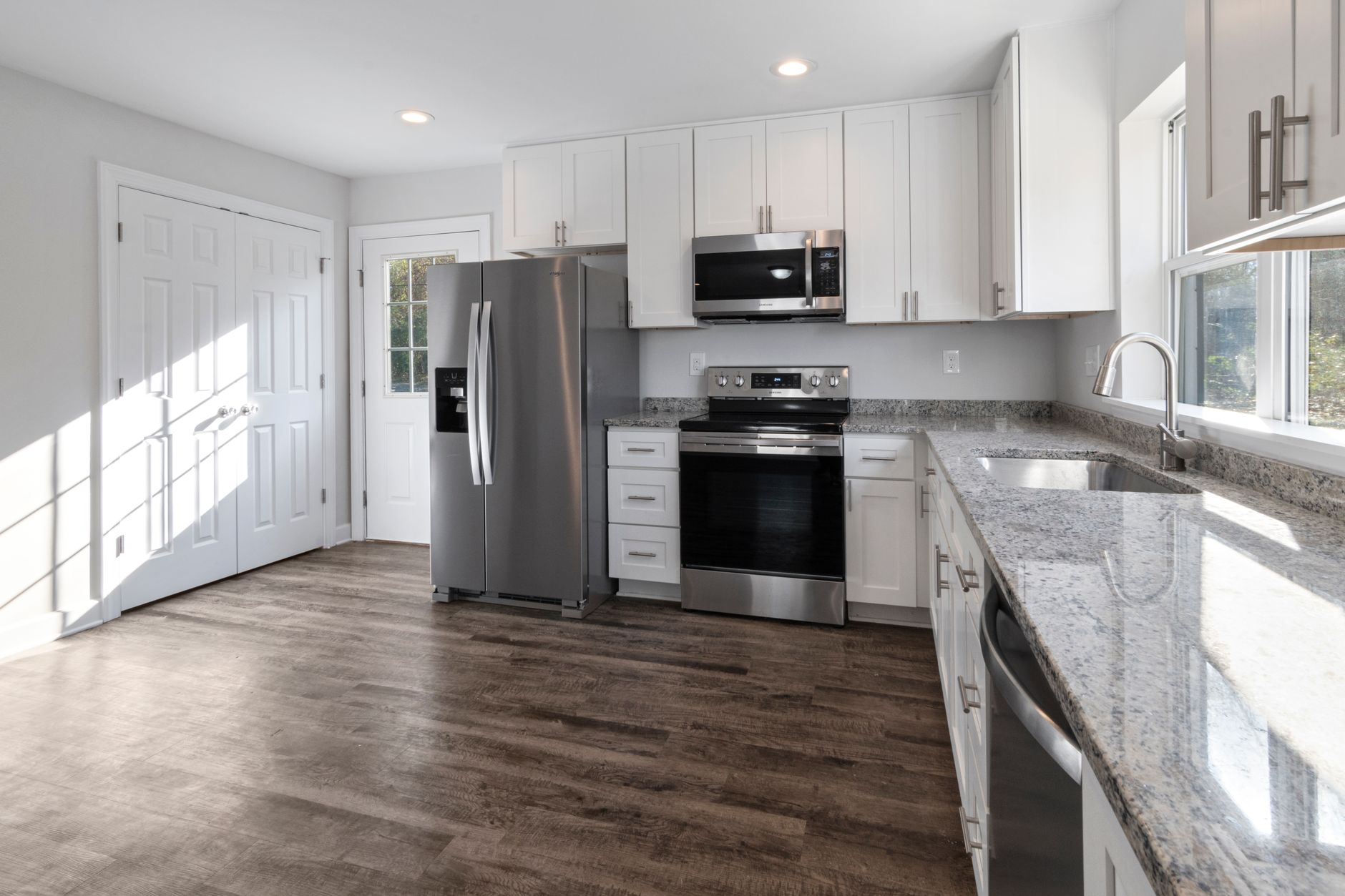
Assess layout before selecting finishes. The work triangle—sink, stove, refrigerator—should form an efficient path; avoid traffic cutting through. Consider traffic flow: can multiple people work without colliding? Set a budget with 15–20% contingency for unexpected issues. Permits may be required for structural, electrical, or plumbing work; factor in permit fees and inspection timelines. Hire licensed contractors; get at least three quotes. Design-build firms or kitchen designers can help with layout and material selection.
Cabinet and Storage Options
Stock cabinets cost $100–$300 per linear foot; semi-custom and custom run higher. Refacing (new doors and drawer fronts on existing boxes) costs 50–70% less than replacement. Pull-out shelves, drawer organizers, and lazy Susans improve functionality. Soft-close hinges and drawers are worth the upgrade. Consider open shelving for frequently used items—it's trendy but requires discipline to keep organized.
Material and Appliance Choices
Quartz and granite dominate countertops; quartz is non-porous and low-maintenance. Butcher block offers warmth but requires oiling. Laminate is budget-friendly. Cabinet refacing costs less than replacement. Energy-efficient appliances may qualify for rebates; compare Energy Star ratings. Balance trends with timeless elements for resale—bold colors and highly specific styles can limit buyer appeal. Invest in quality where it matters: faucets, hinges, and drawer slides see heavy use.
Lighting and Ventilation
Layer lighting: ambient (ceiling), task (under-cabinet, over island), and accent. LED under-cabinet strips improve workspace visibility. Range hoods should vent outdoors when possible; CFM (cubic feet per minute) should match stove BTU. Proper ventilation reduces moisture, odors, and grease buildup.
Budget and Timeline
Cosmetic updates (paint, hardware, new countertops) can be done in 1–2 weeks for $15,000–$25,000. Full renovations with layout changes take 2–4 months and cost $50,000–$100,000+. Allow 15–20% contingency for unexpected issues—old plumbing, electrical problems, structural surprises. Get multiple quotes; the lowest bid isn't always the best value. Consider phasing: do cabinets and counters first, appliances later, or vice versa based on budget.
Working with Contractors
Verify licensing and insurance. Check references and reviews. Get a detailed written contract with scope, timeline, payment schedule, and change-order process. Don't pay more than 10–30% upfront. Communicate regularly; address issues promptly. A kitchen remodel is disruptive—plan for a temporary cooking setup (microwave, hot plate, or eating out) during construction.
Popular Layouts and Trends
Open-concept kitchens flow into living areas—popular for entertaining. The work triangle (sink, stove, fridge) remains a functional baseline. Islands add prep space and seating; ensure adequate clearance (36–48 inches) around them. Two-tone cabinets (different colors for upper and lower) add visual interest. Matte black fixtures and hardware are trending. Smart appliances (Wi-Fi ovens, refrigerators with screens) offer convenience but add cost. Balance trends with timeless choices—you'll live with the result for years.
Sustainability and Long-Term Value
Energy-efficient appliances (Energy Star) reduce utility bills and may qualify for rebates. LED lighting cuts electricity use. Durable materials—quartz over laminate, solid wood over particle board—last longer and hold value. Consider lifecycle cost, not just upfront price. Water-efficient faucets and dishwashers save resources. If you plan to age in place, consider universal design: lower counters, lever handles, and adequate lighting. A kitchen that works for you now and in the future is a smart investment. Resale value matters even if you're not selling soon—neutral palettes and quality finishes appeal to future buyers.
A kitchen remodel is one of the most disruptive home projects. Plan for a temporary cooking setup—microwave, toaster oven, or hot plate in another room. Eating out or meal prep services can ease the burden during construction. Communicate clearly with your contractor about timeline and access; establish a single point of contact for questions. A well-designed kitchen improves daily life for years; the investment in planning and quality pays off in both enjoyment and resale value. Consider phasing: do cabinets and counters first, appliances later, or vice versa based on budget.
A well-designed kitchen improves daily life and adds value to your home. Whether you're doing a cosmetic refresh or a full renovation, careful planning prevents costly mistakes. Invest in quality where it matters—cabinets, countertops, and appliances see heavy use. Work with professionals who listen to your needs. The result should be a space that functions beautifully for years to come. ROI at resale averages 50–80% for mid-range remodels—kitchens sell houses. Get at least three quotes from licensed contractors before starting your project.