

The Ultimate Guide To Outdoor Pools: From Inflatable To Infinity, Find Your Perfect Oasis
Outdoor pool options in the U.S. range from inflatable ($50–$500) to inground concrete ($50,000–$100,000+). Above-ground pools ($1,500–$10,000) offer a middle ground. Infinity pools and custom designs add significant cost. Climate, space, budget, and intended use drive choices. Ongoing costs—chemicals, utilities, repairs, insurance—add 10–20% annually. Permits and fencing are often mandated for safety. Understanding pool types, maintenance requirements, and total cost of ownership helps you choose the right option. A pool can transform your backyard into a retreat—but it's a significant investment. Matching the pool to your lifestyle and budget ensures years of enjoyment rather than regret. From seasonal inflatables to permanent installations, the options suit every situation.
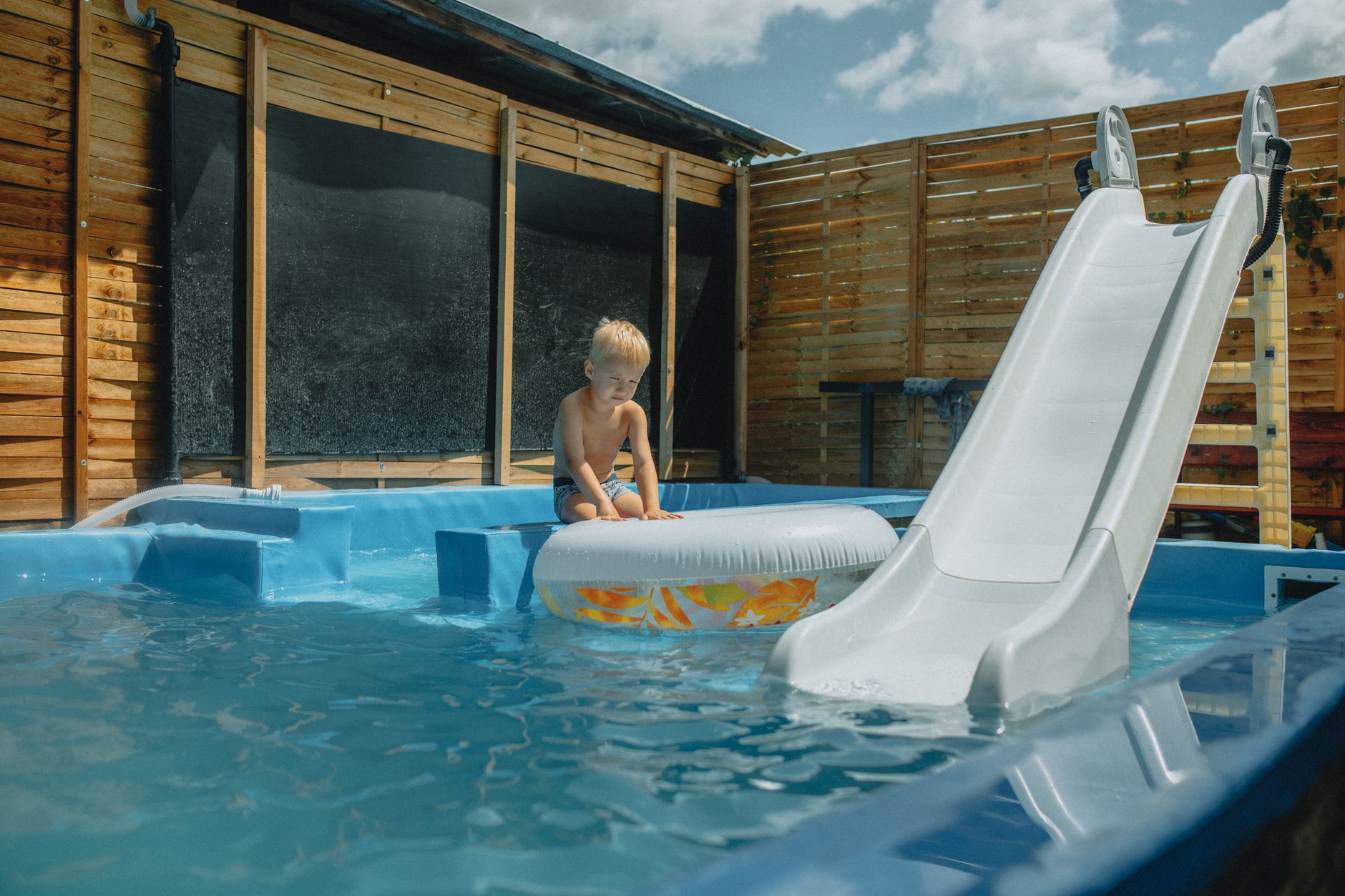
Pool Types and Costs
Inflatable and frame pools suit seasonal use; they're easy to set up and store. Fiberglass inground pools offer faster installation (1–2 weeks) and smooth surfaces; sizes are limited by mold options. Vinyl liner pools are cost-effective; liners last 7–15 years and cost $3,000–$5,000 to replace. Concrete (gunite) allows full customization but has the longest installation (2–3 months) and highest cost. Saltwater systems reduce chlorine maintenance but require a salt cell (replace every 3–7 years). Heating extends the season; gas heaters have lower upfront cost; heat pumps are more efficient for sustained use.
Above-Ground vs. Inground
Above-ground pools are cheaper and often don't require permits for smaller sizes. They can be disassembled if you move. Inground pools add more to property value and offer better aesthetics. Resale impact varies by market—in some regions, pools are expected; in others, they can limit buyer appeal. Consider your lot: slope, soil, and access for equipment affect feasibility and cost.
Maintenance and Ownership
Ongoing costs include chemicals ($50–$150 monthly in season), electricity for pump and heater ($100–$300 monthly), and repairs. Automatic cleaners and covers reduce labor. Fencing is often required by code; some insurers mandate it for liability. Opening and closing (for seasonal climates) add cost if you hire a service. Learn basic chemistry—pH, alkalinity, chlorine—to maintain water quality and extend equipment life.
Safety and Permits
Most jurisdictions require fencing (typically 4–5 feet) around pools to prevent unsupervised access. Alarms on doors or pool surface can provide additional protection. Permits are usually required for inground pools; above-ground rules vary. Check local codes before purchasing. Pool covers (safety or winter) prevent accidents and reduce evaporation. Consider the long-term commitment—pools add value for some buyers but deter others.
Choosing the Right Pool for Your Situation
Assess your lot: slope, soil type, and access for equipment affect feasibility. Consider how you'll use the pool—lap swimming, kids, entertaining, or relaxation—and size accordingly. Inflatable and frame pools suit renters or those testing the waters. Inground pools suit homeowners committed to long-term ownership. Get multiple quotes from licensed contractors. Visit showrooms or existing installations to see materials and finishes in person.
Infinity and Specialty Pools
Infinity (negative-edge) pools create a visual effect where water appears to merge with the horizon. They require precise engineering and cost significantly more. Lap pools suit fitness-focused owners. Plunge pools offer compact cooling. Natural pools use plants and filtration instead of chemicals. Each type has different construction requirements, maintenance needs, and cost profiles. Consult a pool professional to match your vision with your budget and site.
Regional and Climate Considerations
Pool value varies by region—in warm climates (Florida, Arizona, California), pools are expected and add resale value. In northern states, shorter swim seasons and winterization costs affect the calculus. Inground pools in cold climates require proper closing to prevent freeze damage. Consider your local market: will a pool attract or deter future buyers? Talk to local real estate agents for market-specific advice.
Pool Add-Ons and Enhancements
Automated covers reduce evaporation, keep debris out, and improve safety—but add $5,000–$15,000 to installation. Saltwater systems reduce chlorine smell and maintenance; the salt cell needs replacement every 3–7 years. Water features (fountains, waterfalls, bubblers) add ambiance and sound. Lighting—LED strips, fiber optics—extends evening use and creates atmosphere. Heating extends the swim season; heat pumps are more efficient than gas for sustained use. Consider which add-ons you'll actually use; each increases cost and complexity. Start with the basics and add enhancements over time if desired.
Pool ownership requires ongoing attention. Weekly testing of pH, alkalinity, and chlorine keeps water safe and comfortable. Brushing walls and skimming debris prevent algae and buildup. In seasonal climates, opening and closing add labor or service costs. Equipment—pumps, filters, heaters—requires periodic maintenance and eventual replacement. Budget for these costs when deciding whether a pool fits your lifestyle. For many families, the enjoyment and memories justify the investment. For others, a community pool or membership may offer similar benefits without the responsibility. Match the pool type to your climate, budget, and how you'll actually use it.
Choosing a pool is a significant investment in your property and lifestyle. Match the pool type to your climate, budget, and how you'll actually use it. Don't overbuild—a smaller, well-maintained pool often delivers more enjoyment than a large one that becomes a burden. Factor in ongoing costs from day one. With the right choice, your pool will provide years of relaxation and fun for family and friends. Get multiple quotes from licensed contractors before committing. Budget for chemicals, utilities, and repairs—ongoing costs add 10–20% annually to your investment.